Provisioner logo
Provisioner logo
search
cart
facebook twitter linkedin youtube
  • Sign In
  • Create Account
  • Sign Out
  • My Account
Provisioner logo
Provisioner logo
  • NEWS
    • Industry News
    • Supplier News
    • Case Studies
    • Recalls
    • Regulations
    • New Consumer Products
  • EXCLUSIVES
    • Newsletters
    • Source Book
    • Sponsored Insights
    • Events
    • Webinars
    • Classifieds
    • White Papers
    • Provisioner Store
    • Market Research
  • MEAT PROCESSING
    • SUSTAINABILITY
    • Processing
    • Packaging
    • Ingredients
    • Formulation
    • Food Safety
    • Special Reports
    • Commentary
  • PROFILES
    • Processor Profiles
    • Processor of the Year
    • Top 100 Processors
  • MEDIA
    • Videos
    • Podcasts
  • DIRECTORY
  • MIHOF
  • INDEPENDENT PROCESSOR
  • EMAG
    • eMagazine
    • ARCHIVE ISSUES
    • Contact
    • Advertise
  • JOIN!
Ingredients

Binding cost with taste
By Donna Berry
February 6, 2012
It’s been a year since my favorite fast-food restaurant — Taco Bell — was served with a frivolous lawsuit alleging that the ground beef used in many of its offerings is not real beef. Rather, the legal team said, it is ground beef blended with extenders and fillers.
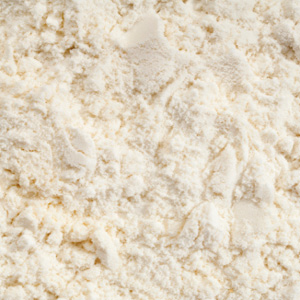
Whey proteins
Whey Proteins

Well, of course, the ground beef contains other ingredients — call them whatever you like — it is seasoned and made to be delicious for use as a filling and topping in many of the offerings on the chain’s dynamic menu. This is exactly what Taco Bell said in response to the lawsuit.

In fact, I was very proud of the company’s comeback: full-page newspaper ads itemizing the company’s signature recipe. Knowing that this defense was an unexpected expense for the company, I increased the frequency of my visits and encouraged friends to do the same. Most people got it, especially anyone who has ever made tacos from scratch. The ground beef simply would not be appealing if “other” ingredients were not added. 

Still, there’s that lingering question many Taco Bell aficionados have: what are extenders and fillers? Not legally defined, these terms typically refer to ingredients that bind water, often creating a gel, and by doing so, contribute to a juicier, lower-fat finished product. This is because the gel displaces some of the “real” meat in the finished product, replacing calorically dense fat (inherent to the meat) with low- or no-calorie moisture. How could this be bad?

Most luncheon meats do it, even those sporting “natural” labels. For example, Applegate Farms, Bridgewater, N.J., includes carrageenan, a hydrocolloid extracted from seaweed that binds water, in a number of its Applegate Natural luncheon meats.

Formed meats would not be possible without these ingredients. And without formed meats, many Americans would not be able to enjoy meat products on a regular basis. One example is Jennie-O Turkey and Gravy Roast. The turkey in this very economical frozen roast contains up to 27% of a solution of turkey broth, modified food starch, salt, sugar, sodium phosphate and flavoring.

Whey is an option

An ingredient that a growing number of meat, poultry and fish processors are turning to for assistance in making their products more affordable with improved quality through shelf life is whey. Whey proteins, those nutrients derived from cow’s milk that have been embraced by athletes for their contribution to muscle recovery and building, offer numerous benefits to all types of center-of-plate proteins. They can increase cook yield, reduce purge, improve mouthfeel and enhance slicing yields, offering quality improvements and cost efficiencies in regular-, reduced- and fat-free products.

It was not that long ago that whey was viewed as a byproduct of cheesemaking, often dumped on fields or sold as animal feed. Today, there are whey manufacturers who consider cheese to be the byproduct, as whey proteins are in high demand by all types of food and beverage manufacturers, including meat, poultry and fish processors.

In addition to their aforementioned functional characteristics, whey proteins contain readily digestible and bio-available essential amino acids, which provide a high nutritive value. All of these attributes make whey ingredients very attractive.

There are several different types of U.S. whey proteins that can be used in meat, poultry and seafood products, according to the U.S. Dairy Export Council, Arlington, Va. Among the most commonly used are: sweet whey; whey protein concentrates (WPC), which ranges from 34% to 80% protein; and whey protein isolates (WPI), which are 90% or more protein. When it comes to using whey ingredients in meat, poultry and fish product manufacturing, there is no one-size-fits-all. And, depending on the desired effect, whey ingredients can also be used in conjunction with other functional ingredients.

For example, whole-muscle products injected with a brine that contains salt, polyphosphates and whey proteins can enhance moistness and tenderness (induced by water uptake and retention) of the muscle upon cooking. In the case of restructured meat products, a brine solution containing WPC or WPI is usually injected, massaged or tumbled directly into the muscle. Application work shows that with a 50% extended ham, WPC 80 (80% protein) or WPI can be used to improve tumbling yield and cook yield, enhance slicing yield and texture and reduce purge over an eight-week period of refrigerated storage.

In coarse-ground meat products such as sausages, the gelation properties of WPC or WPI are responsible for entrapping the fat and water that would typically be released from the protein matrix when it shrinks during cooking. The whey proteins form a thermo-irreversible gel, keeping the fat and water where it belongs — inside the encased sausage.

Whey’s function and benefits are similar in comminuted products such as hot dogs, bologna and luncheon meat. In a full-fat hot dog formulation, WPC or WPI can be used to maximize the USDA-allowable 1% non-meat protein, thereby maximizing the amount of water that can be added to the formulation.

With seafood products such as surimi — a blended, texturized and formed fish product made to imitate lobster, crab or shrimp — WPC and WPI can be used to improve textural properties. The addition of whey protein to fish protein is able to boost the gel rigidity by absorbing water and strengthening the fish protein network. When a mixture of whey proteins and water is used to replace up to 5% of fish in a product formulation, nearly identical gelling properties are obtained as if whey was not used. The benefit is that whey proteins cost less than seafood proteins.

There are many very wholesome and natural “other” ingredients that can be used to make meat, poultry and fish affordable and delicious. If some lawyers want to call them extenders and fillers, let them.

KEYWORDS: fast-food restaurant ground beef lawsuit

Share This Story

Looking for a reprint of this article?
From high-res PDFs to custom plaques, order your copy today!

Product Development Editor Donna Berry applies her expertise in dairy innovations in each month's Ingredient Technology feature.

Recommended Content

JOIN TODAY
to unlock your recommendations.

Already have an account? Sign In

  • Double Charburger

    Premiumization drives burger category

    Shoppers seek out premium meat offerings to fulfill...
    Beef
    By: Sammy Bredar
  • JJS Adult Pekin duck

    Poultry Report 2025: Convenience propels poultry at retail

    Despite continued economic pressures, the poultry...
    Chicken
    By: Sammy Bredar
You must login or register in order to post a comment.

Report Abusive Comment

Manage My Account
  • eMagazine Subscriptions
  • Manage My Preferences
  • Newsletters
  • Online Registration
  • Subscription Customer Service
  • Connect with The National Provisioner

More Videos

Sponsored Content

Sponsored Content is a special paid section where industry companies provide high quality, objective, non-commercial content around topics of interest to the The National Provisioner audience. All Sponsored Content is supplied by the advertising company and any opinions expressed in this article are those of the author and not necessarily reflect the views of The National Provisioner or its parent company, BNP Media. Interested in participating in our Sponsored Content section? Contact your local rep!

close
  • A smiling man carrying a grocery basket is reaching down to pick up a package of meat in a grocery store.
    Sponsored byPIC

    The Green Light: New Data Shows 12-to-1 Support for Pork from PRRS-Resistant Pigs

  • Close up of a grocery cart full of groceries, a cropped image of a couple pushing the cart and a blurred background of the vegetable aisle.
    Sponsored byPIC

    New Market Research Finds Consumers in Eight Key Pork Markets Are Likely to Purchase Pork from Gene-Edited Pigs

  • Close up of a young pig with a blurred background.
    Sponsored byPIC

    New Research Forecasts Significant Economic and Market Impacts with PRRS-Resistant Pig Adoption

Popular Stories

Spam Dog

Hormel rolls out Spam hot dog for foodservice applications

Various new Primal snack sticks on a table amongst pencils, apples, a pair of glasses, lunch bags and a water bottle.

Protein demand drives snacking occasions

Several cuts of beef, pork and chicken on a wooden board, cast iron pan and salt.

Validated thermal lethality data and a new tool for ensuring safety of RTE meats

2026 Top 100 Meat & Poultry Processors Report

Events

June 11, 2026

From Fresh to Frozen in 3 Minutes Flat: Unlocking the Secrets to Temperature Control

Join Tony Vacaro, Foods Industry Manager, and Emile Klein, Foods Market Strategy Manager at Air Products and Chemicals, Inc. , as they tackle key questions surrounding heat removal in food processing. 

January 1, 2030

Webinar Sponsorship Information

For webinar sponsorship information, visit www.bnpevents.com/webinars or email webinars@bnpmedia.com.

View All Submit An Event

Products

Food Crime: An Introduction to Deviance in the Food Industry

Food Crime: An Introduction to Deviance in the Food Industry

See More Products
From Fresh to Frozen in 3 Minutes Flat: Unlocking the Secrets to Temperature Control Webinar Sponsored by Air Products

Related Articles

  • Cut salt and boost taste with the salt reduction toolbox from DSM

    See More
  • Cost reduction with new weighing system from Handtmann

    See More
  • Anritsu provides space, cost savings with combined checkweigher/metal detector system

    See More

Related Products

See More Products
  • Organic Meat Production and Processing

See More Products

Events

View AllSubmit An Event
  • September 9, 2010

    Food Plant of the Future: Surviving and Thriving with Automation

    On Demand: Hixson Architecture Engineering Interiors presents Surviving and Thriving with Automation.
  • August 31, 2022

    Improve Freezing Performance and Quality with Companion Cryogenic Systems

    On Demand The spiral freezer will remain the workhorse of your freezing operation, but using a cryogenic system in the proper location with optimized features for marinated products,  steamy, cooked products, or fast-growing products can reduce defrost downtime, reduce sanitation, improve yield, reduce waste, reduce batch times, and more.
View AllSubmit An Event
×

Stay ahead of the curve. Unlock a dose of cutting-edge insights.

Receive our premium content directly to your inbox.

SIGN-UP TODAY
  • RESOURCES
    • Advertise
    • Contact Us
    • Directories
    • Store
    • Want More
  • SIGN UP TODAY
    • Create Account
    • eMagazine
    • Newsletter
    • Customer Service
    • Manage Preferences
  • SERVICES
    • Marketing Services
    • Reprints
    • Market Research
    • List Rental
    • Survey/Respondent Access
  • STAY CONNECTED
    • LinkedIn
    • Facebook
    • YouTube
    • X (Twitter)
  • PRIVACY
    • PRIVACY POLICY
    • TERMS & CONDITIONS
    • DO NOT SELL MY PERSONAL INFORMATION
    • PRIVACY REQUEST
    • ACCESSIBILITY

Copyright ©2026. All Rights Reserved BNP Media, Inc. and BNP Media II, LLC.

Design, CMS, Hosting & Web Development :: ePublishing