Resource conservation: The power to change meat and poultry plants
The excessive use of energy and water is rampant in many meat and poultry plants, but a focus on conservation can result in large economic paybacks.

Meat plants can save on the higher charges for electricity use during peak hours by moving more of their processing operations to non-peak periods.
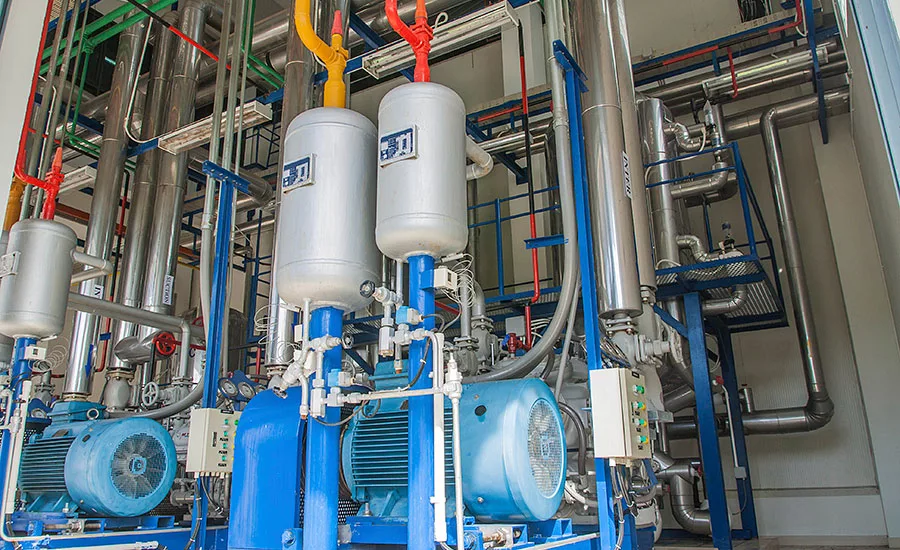
Facility management personnel should ensure all equipment is operating optimally, particularly refrigeration systems and boilers.
Many meat and poultry producers are finding no good deed goes unpunished.
While most operators are working to enhance food safety and improve product quality, their methods often entail an exorbitant consumption of energy and water. The result is a tremendous waste of resources and money.
Many producers can save 30 to 50 percent in energy and water costs by closely monitoring and adjusting their operational and sanitary processes and technologies, analysts note.
Though such substantial savings can occur through relatively modest investments in equipment and major changes in procedures, companies must first recognize the issue and have senior management commit to action.
Researchers at the University of Nebraska at Lincoln found that most energy expenditures in small and medium-size meat packing facilities are for heat, sanitation and refrigeration, and many of the facilities could cut the costs by about 33 percent by revising their methodologies and uses of machinery.
“A considerable proportion of the total production cost in food processing is spent on energy used in the manufacturing plant,” the researchers note in the 2014 Energy Efficiency in Food Processing report. “While energy requirements are directly related to product throughput, potential for energy savings exists in almost all plants.”
Opportunities for cost-cutting, meanwhile, are numerous and diverse.
Meat plants, for instance, can save on the higher charges for electricity use during peak hours by moving more of their processing operations to non-peak periods. Many facilities also can save more than 30 percent in lighting costs by installing new energy-efficient systems, the study shows.
Lower refrigeration expenses, meanwhile, can result from insulating all refrigeration lines and valves; using door curtains in high-traffic refrigerated areas and adopting a hot-boning process, which directly reduces refrigeration requirements. Hot boning helps prepare meat for human consumption by removing the bones from the carcass.
The heat is on
Recycling heat and energy also is major cost reducer, the Nebraska study notes. Key savings occur by using ceiling fans to recirculate the warmer ceiling air during the heating season, from recovering waste heat from refrigeration systems at condensers and using the heat to generate hot water.
Using waste heat from the boiler and refrigeration systems can provide most of a plant’s hot water needs, the study shows.
In addition, the installation of a heat exchanger in the ammonia refrigerant line between the compressors and condensers will recover the heat from ammonia which plants then can use to heat water for sanitation and plant use.
The researchers also recommend the use of insulated storage tanks to hold hot water from the heat recovery systems. Plants can then pump the heated water for later use in processing or clean-up operations.
“Insulating the refrigeration rooms and reducing infiltration losses also can result in substantial energy savings,” the study notes.
Boilers can be another major source of energy waste. Plants can save 16 percent of boiler expenses by insulating lines and other components and 7 percent by stopping steam leaks.
According to the study, operators also can slice hot water expenses by 25 percent by recovering boiler heat and reducing hot water temperatures.
Safe to a fault
Plants also can realize savings by eliminating operational excesses. That includes the over-sanitation of facilities through the abundant use of chemicals and by sterilizing equipment at higher temperatures than necessary, says Laura Babcock director of the Minneapolis-based University of Minnesota Technical Assistance Program (MTAP), an outreach program designed to help Minnesota businesses maximize efficient use of resources and reduce energy use and costs.
“Procedures deviate from set points over time, causing plants to spend more money than they realize by using additional materials each week for cleanings,” she says. “By always erring on the side of caution, they are wasting energy and chemicals.”
Paul Pagel, MTAP senior engineer, says many plants that need to sterilize equipment at 120 degrees Fahrenheit will have a 140 degrees Fahrenheit set point to ensure they always stay above the minimum requirements.
A 2010 industrial energy study by MTAP found that steam was the greatest contributor to fuel costs in meat and poultry plants, accounting for 44 percent of expenses. Refrigeration, meanwhile, was the largest source of electricity use in the facilities, accounting for 50 percent of costs. In addition, materials processing was responsible for 17 percent of electricity use in meat plants, while process motors accounted for 40 percent of electricity use in poultry facilities.
Less is more
The MTAP study reveals that with conservation efforts, meat plants have estimated potential savings of 7 percent for fuel and 15 percent for electricity, while poultry plants have estimated potential savings of 11 percent for fuel and 15 percent for electricity. Fuel use accounted for 59 percent of energy consumption in meat plants and 60 percent of consumption in poultry facilities, with electricity responsible for the remaining energy use in the operations.
A relatively simple way to save, meanwhile, is to minimize the need for sanitizing, says Karl DeWahl, MTAP senior engineer.
“Companies need to identify the causes of food and byproducts getting onto plant floors and surfaces, as well as the sources of fluid, chemical or additive leaks, and then take preventative measures,” he says. “Plants also can prevent waste from conveyors by adding guards that keep proteins from spilling over the edges.”
It also is important for facilities management personnel to focus on conservation to ensure all equipment is operating optimally, particularly refrigeration systems and boilers, Pagel notes.
Measures that can enhance efficiencies include insuring that steam traps are operational and smoke stacks have economizers for the reusing of heat that exits through the stacks, he states.
“Companies are primarily focusing on product quality and not the messes that can result from their production activities,” Pagel says. “They pay for the product during production and then again when they need to wash down the plant.”
All plant workers, meanwhile, also must develop conservation mindsets if facilities are to maximize savings.
High employee turnover rates, however, demand never-ending training on the best cleaning and operating practices, Babcock says.
“Companies will solve 80 percent of their waste problems by having workers follow basic operating procedures,” she says. “But it often is easy for employees to overlook the proper measures.”
Employee training can include the use of charts and pictures to illustrate the most efficient procedures, Pagel says. Such tools can be particularly useful for the workers who handle different jobs within a plant and need to be versed on multiple practices.
“Employees may take shortcuts and their bad habits can move with them from one position to another,” he says.
A processor with a plan
Among the protein producers focusing on conservation is Keystone Foods LLC, a West Conshohocken, Pa.- based processor of beef, poultry, fish and pork.
The company reports that it is saving more than 37.9 million gallons of water annually at one facility through such methods as switching to more efficient models of belt washers that run for less time, downsizing brush tips to increase machine efficiency for sanitation processes and eliminating water use on conveyors during cleanings.
The subsequent decline in the need to heat water also contributes to a more than 45,000 gallon annual decrease in propane use, says Sarah Hendricks, Keystone Foods vice president of human resources and corporate social responsibility.
Keystone has been enhancing its conservation practices since the 2008 launch of a sustainability and corporate social responsibility program. The processor conducts audits to determine new ways to optimize water and energy use while establishing goals and conveying the objectives to workers.
The company also recognizes the facilities and employee teams that demonstrate the most progress toward conservation objectives, Hendricks says.
“We have followed the adage ‘what gets measured gets managed’ and have combined that with ‘what gets rewarded gets results,’” she notes.
A major challenge in implementing conservation initiatives is obtaining the necessary funding while demonstrating to management the return on investment will meet the break-even threshold, Hendricks says.
Keystone, meanwhile, is working with an energy consultant to identify additional savings opportunities through energy assessments and audits, she adds.
A goal is to find the optimal balance of using water wisely while ensuring uncompromising standards of hygiene, Hendricks says, adding that the various Keystone facilities are “currently examining water risks to help us prioritize where we will target our water savings efforts. It is this type of commitment that will pave the path to our future progress.”
Whether it’s the result of being obtuse about the issue or being overly cautious with sanitation, meat and poultry producers are literally washing large amounts of money down the drain. By leveraging more efficient techniques, operators can realize substantial financial and resource savings. NP
Looking for a reprint of this article?
From high-res PDFs to custom plaques, order your copy today!