-300x215-wht-border.webp?t=1774048870)

When PRRS Hits Home: The Chinn Family’s Story and a Hopeful Future
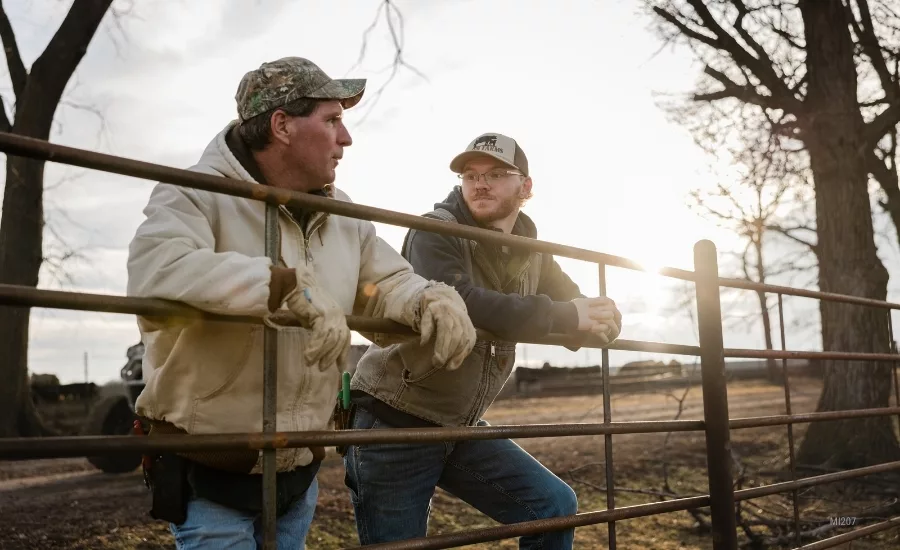
For the Chinn family of Clarence, Missouri, farming isn’t just a business. It’s a way of life built across generations. Today, their operation includes a 1,600-sow farrow-to-finish hog operation, along with cattle, row crops and feed mill.
Their goal is simple: To keep the farm strong enough to pass on.
And it’s a goal that’s been tested – multiple times – by porcine respiratory and reproductive syndrome (PRRS).
The Reality of a PRRS Break
Experiencing PRRS firsthand is difficult. Experiencing it multiple times is devastating. For the Chinns, the most severe outbreak came in 2018.
“We had been growing our operation, adding new gilts to the original genetic herd started in 1986 by my husband’s parents,” says Chris Chinn. “Then, PRRS hit… hard.”
The family watched their animals suffer and waited long days for sample results to confirm the difficult strain they were fighting.
“Given what we were facing, we decided we were going to have to do a complete depopulation-repopulation,” says Chris.
For three weeks, their barns sat empty. Instead of caring for their animals, days were spent rigorously cleaning and disinfecting, preparing to rebuild.
The Emotional Toll
The $3 million financial hit was significant. But the emotional impact ran deeper.
“To walk out to the barns every morning and know that there weren’t animals there waiting for breakfast… it was unlike anything we’d experienced,” says Chris.
At the same time, the stakes were clear.
“If we didn’t get it right and eliminate the virus from our facilities, our family farm’s future would be at risk,” she adds.
Their son, Connor, already planned to return to the farm full-time.
“It wasn’t just about us…” says Chris. “It was about if the next generation would even have a farm to come back to.”
The Chinns eventually repopulated, thanks in part to an offsite breeding project they were doing at the time. At repopulation, animals were ready to go straight to farrowing to minimize farm downtime.
Today, Connor works full-time on the farm, while their daughter Rochelle contributes remotely, but the threat of PRRS continues looms large.
Even the Best Biosecurity Has Limits
Like most producers, the Chinns prioritize biosecurity. But PRRS doesn’t follow the rules.
“You can do everything right and still get it” says Chris. “PRRS is airborne, so if it’s in the air and the wind blows – it can reach your farm.”
The family has strengthened protocols for what they can control. Signs are up. Visitors are restricted. Those who disregard signs are talked to about their importance. Doors are locked. Dumpsters are moved away from barns. Protocols are in place to notify neighbors in the event PRRS strikes again. Still, risk remains.
A New, Hopeful Horizon
That’s why the potential of PIC’s PRRS-resistant pig stands out.
When the Chinns first heard about it, they immediately saw the promise.
“We’ve used PIC genetics since 1986,” says Chris. “We trust the genetics and what they can do for our herd. And we’re excited to use the PRRS-resistant pig when it becomes available because we know what it means for the health of our herd and our farm’s legacy.”
The Chinns also see the win for consumers.
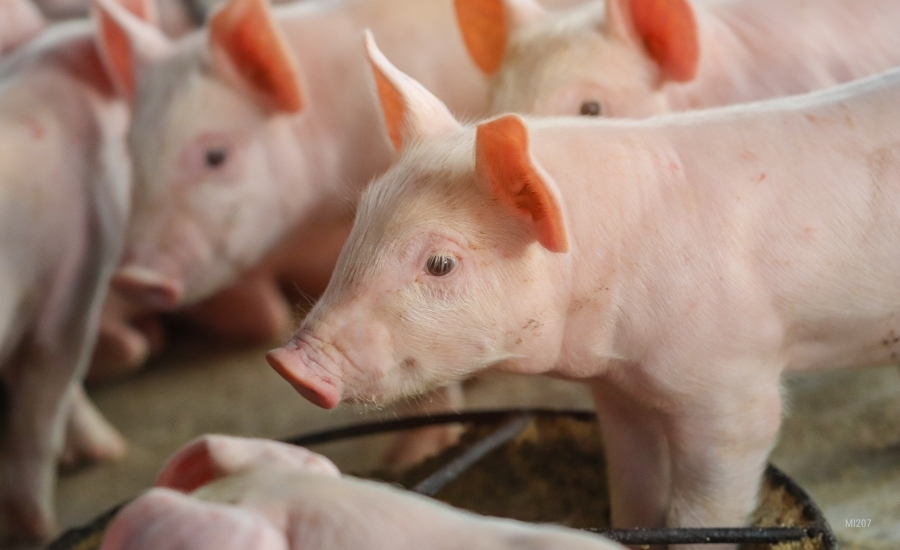 Image Credit: Adobe Stock/krumanop
“Consumers want animals raised in a way that they’re content, healthy and producing a healthy product for their plate,” says Chris. “They don’t want us using more medications than we need to – and we producers don’t either. With the PRRS-resistant pig, we can keep more animals healthy and minimize the need for antibiotic intervention, which appeals to producers and consumers alike.”
Protecting What Comes Next
For the Chinns, everything comes back to the family legacy.
Chris’s in-laws, Gary and Kathy, have farmed since 1971, and the impact of PRRS has stayed with them.
“There were so many tears, fears and sleepless nights dealing with PRRS breaks as a family,” says Chris. “To see a real solution would be the highlight of their careers.”
After trying solutions like vaccines that don’t provide effective protection – the possibility of eliminating PRRS with genetics feels different.
“For us, this could help secure the future of our farm,” says Chris. “For our kids, our grandkids and the generations that come after.”
Dig into recent research showing strong U.S. consumer willingness to purchase pork from gene-edited pigs.
By Pig Improvement Company (PIC)
Looking for a reprint of this article?
From high-res PDFs to custom plaques, order your copy today!