Meat Institute says meatpacking industry restructuring won’t lower beef prices
Organization points to historically tight cattle supplies and sustained margin pressure across the meat processing industry.
The Meat Institute said it recognizes the impact of elevated beef prices on consumers and is urging policymakers to avoid measures it believes could worsen supply challenges across the industry.
Beef remains a staple protein for American households, the association said, and rising prices are being felt across both consumers and the supply chain. The meat and poultry processing sector plays a central role in connecting cattle producers with end markets, managing the movement of product from ranch to retail.
Supply constraints driving price pressure
According to the Meat Institute, current pricing pressures are primarily the result of tight cattle supplies.
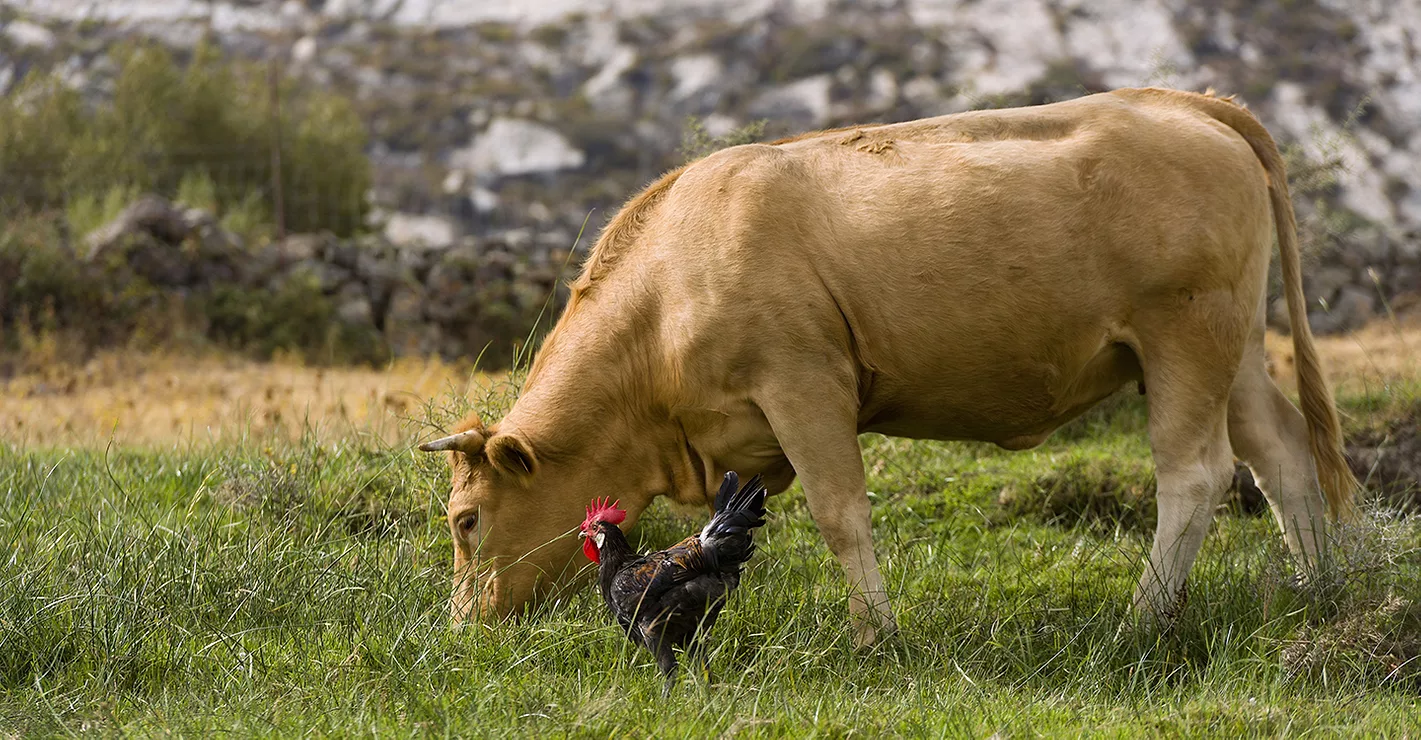
The US cattle herd is at its lowest level since 1951, following years of drought in key production regions, higher feed costs and the extended timeline required to rebuild herds. The resulting supply-demand imbalance has been a primary factor behind higher retail beef prices.
The association also pointed to margin pressures within the processing segment. It said that, over the past two years, packers have faced sustained financial challenges while cattle prices have reached record highs.
Processing remains a capital-intensive, cyclical business, the organization said, with profitability fluctuating alongside broader supply conditions. Rising consumer prices, it noted, are being driven largely by supply constraints and retail dynamics rather than processor margins.
Concerns over potential policy actions
The Meat Institute voiced concern over policy proposals aimed at addressing consumer prices, including efforts to restructure or break up the meatpacking sector, warning that some approaches could introduce unintended consequences.
Restructuring the processing industry, the association said, would not address the underlying issue of limited cattle supply. Instead, it argued such actions could increase costs, disrupt operational efficiency and create regulatory uncertainty that may reduce investment.
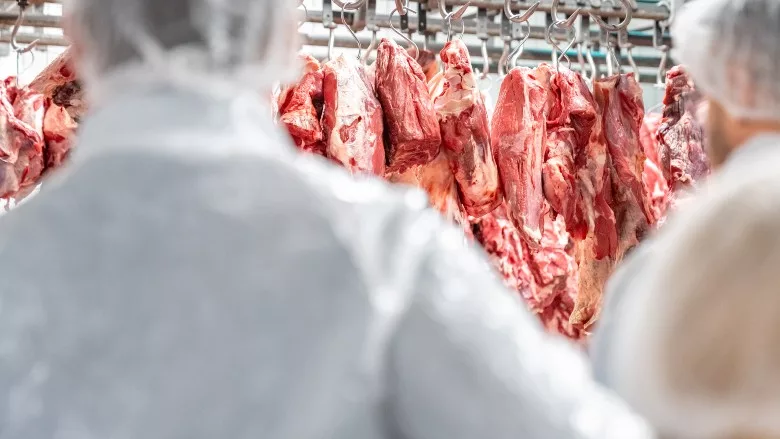
The organization also highlighted the scale of the processing sector, which it said contributes $57.3 billion to the US economy, supports approximately 584,000 jobs and operates more than 800 USDA-inspected facilities.
In addition to production capacity, the sector has invested in infrastructure including cold chain logistics, food safety systems and export capabilities, all of which could be affected by prolonged regulatory or legal changes, the Meat Institute said.
Focus on supply recovery and stability
The Meat Institute said it supports policy approaches aimed at easing operational burdens, maintaining export markets and enabling cattle producers to rebuild the national herd.
However, it cautioned against structural changes that could disrupt the supply chain during a period of tight availability. Efforts that increase costs or reduce processing capacity, the association said, risk delaying recovery in cattle supplies.
The Meat Institute noted that market conditions are expected to improve over time as the cattle cycle advances, emphasizing that stability, rather than structural disruption, will be key to restoring balance in the beef supply chain.
Source: Meat Institute
Looking for a reprint of this article?
From high-res PDFs to custom plaques, order your copy today!