Provisioner logo
Provisioner logo
search
cart
facebook twitter linkedin youtube
  • Sign In
  • Create Account
  • Sign Out
  • My Account
Provisioner logo
Provisioner logo
  • NEWS
    • Industry News
    • Supplier News
    • Case Studies
    • Recalls
    • Regulations
    • New Consumer Products
  • EXCLUSIVES
    • Newsletters
    • Source Book
    • Sponsored Insights
    • Events
    • Webinars
    • Classifieds
    • White Papers
    • Provisioner Store
    • Market Research
  • MEAT PROCESSING
    • SUSTAINABILITY
    • Processing
    • Packaging
    • Ingredients
    • Formulation
    • Food Safety
    • Special Reports
    • Commentary
  • PROFILES
    • Processor Profiles
    • Processor of the Year
    • Top 100 Processors
  • MEDIA
    • Videos
    • Podcasts
  • DIRECTORY
  • MIHOF
  • INDEPENDENT PROCESSOR
  • EMAG
    • eMagazine
    • ARCHIVE ISSUES
    • Contact
    • Advertise
  • JOIN!
Food Safety

Food safety in complex supply chains

As the food supply chain becomes more global and complex, food safety issues tend to be more far-reaching than those experienced decades ago.


By Todd Southerland
Food Safety
Food Safety Supply Chains
Food Safety
Food Safety Supply Chains
January 14, 2019
Editor’s Note: This article originally published on the Refrigerated & Frozen Foods Web site, a sister publication in the BNP Media portfolio. For more insights, visit refrigeratedfrozenfood.com.

The growing issue of food safety, along with the increased scrutiny on manufacturers to manage associated risks continues to have a significant impact on the food and beverage industry. As the food supply chain becomes more global and complex, food safety issues tend to be more far-reaching than those experienced decades ago. There has also been an increase in consolidation among growers, manufacturers and distributors, meaning food products (and the ingredients associated with them) are being supplied to a wider net of consumers and end markets, exacerbating these issues. 

Consumer tastes and preferences are also evolving. Many food companies must source products and ingredients more broadly in an attempt to differentiate offerings, including many foreign-grown items, to meet the culinary experiences consumers demand. By broadening the food supply with these and other non-traditional ingredients, food manufacturers are also exposing the American culture to new origins of risk.

Yet, there have been significant advancements in technology, which have enabled companies to improve the supply chain, particularly when it comes to the level of oversight. Many of these technologies increase efficiency. For instance, they can inform costing practices, purchasing and sales decisions, inventory controls, shipping routes or any number of operational factors, which in turn drives additional profitability. Many of these technologies can also improve food safety protocols through advancements in traceability, monitoring and testing. These benefits are vital to the success of food businesses and manufacturers, but often result in added costs. The challenge for many food companies is how to achieve operational benefits from the costs absorbed to institute these added requirements for food safety oversight.

With this highly sensitive and transformative environment in mind, here are some suggestions and best practices for food and beverage manufacturers managing complex supply chain challenges:

Tip 1. Embrace the benefits of food safety tools and the power associated with an increased level of visibility into the supply chain.

Investment in food safety programs is generally considered a risk mitigation expense. However, these technologies and tools can also be powerful in improving operational decisions and working capital investment. The money that companies invest to improve food safety practices does not have to be a sunk cost.

The employment of heightened food safety protocols can and should be used as a marketing platform. A company’s awareness and vigilance around food safety can differentiate its products in the marketplace, since consumers care about how their food is grown, raised, processed, handled and stored. In addition, the use of traceability standards has been particularly impactful over the last few years, with some companies displaying the manufacturer where the product was sourced.

Tip 2. Seek guidance on risks that are insurable, but perform detailed diligence on the cost/benefit analysis to ensure the policies are not exorbitantly expensive.

It is critical to review the policy language to understand what events are covered or excluded for risks that can be insured. There are many factors that determine coverage decisions within a policy, such as the cause of an event. It’s important to understand whether you are insuring against controllable or manageable risks. 

Tip 3. Develop business continuity plans to help quantify the financial impact of a food safety event.

Quantifying financial impacts can help a business fully understand the balance sheet implications and whether it is adequately prepared to absorb them. As a financial partner, I routinely conduct this type of consultative work to help companies develop financial and operational strategies to mitigate these risks.

Tip 4. Take preparedness practices to the next level.

Preparedness is the best risk management technique ahead of a food safety event. Employee training is an important step in preparing for an issue that may arise, however, there are two additional steps that are often overlooked.

First, it’s vital that employees not only understand the steps, but also understand why they are performing a task and how it contributes to the broader effort of the team.

Second, practicing emergency responses through mock situations that simulate real world possibilities is also a crucial component of preparedness practices. Utilizing these steps as part of employee training can materially contribute to workforce engagement, as well as promote successful outcomes in situations where small failures can have sizable consequences.

All participants in the food supply chain – producers, manufacturers, retailers, regulators and consumers – will continue to focus on food safety measures in the years ahead. As the level of scrutiny continues to increase, industry participants must strengthen all facets of their operations to protect against these risks. The steps outlined above are designed to help manufacturers embrace this culture of added oversight, proactively pursue solutions to these challenges and gain competitive advantages in the marketplace. NP

KEYWORDS: supply chain strategies

Share This Story

Looking for a reprint of this article?
From high-res PDFs to custom plaques, order your copy today!


Todd Southerland is senior vice president and Food & Agribusiness Industry manager at SunTrust Bank.

Recommended Content

JOIN TODAY
to unlock your recommendations.

Already have an account? Sign In

  • Double Charburger

    Premiumization drives burger category

    Shoppers seek out premium meat offerings to fulfill...
    Beef
    By: Sammy Bredar
  • JJS Adult Pekin duck

    Poultry Report 2025: Convenience propels poultry at retail

    Despite continued economic pressures, the poultry...
    Chicken
    By: Sammy Bredar
You must login or register in order to post a comment.

Report Abusive Comment

Manage My Account
  • eMagazine Subscriptions
  • Manage My Preferences
  • Newsletters
  • Online Registration
  • Subscription Customer Service
  • Connect with The National Provisioner

More Videos

Sponsored Content

Sponsored Content is a special paid section where industry companies provide high quality, objective, non-commercial content around topics of interest to the The National Provisioner audience. All Sponsored Content is supplied by the advertising company and any opinions expressed in this article are those of the author and not necessarily reflect the views of The National Provisioner or its parent company, BNP Media. Interested in participating in our Sponsored Content section? Contact your local rep!

close
  • A smiling man carrying a grocery basket is reaching down to pick up a package of meat in a grocery store.
    Sponsored byPIC

    The Green Light: New Data Shows 12-to-1 Support for Pork from PRRS-Resistant Pigs

  • Close up of a grocery cart full of groceries, a cropped image of a couple pushing the cart and a blurred background of the vegetable aisle.
    Sponsored byPIC

    New Market Research Finds Consumers in Eight Key Pork Markets Are Likely to Purchase Pork from Gene-Edited Pigs

  • Close up of a young pig with a blurred background.
    Sponsored byPIC

    New Research Forecasts Significant Economic and Market Impacts with PRRS-Resistant Pig Adoption

Popular Stories

JBS USA logo

JBS USA closing pair of processing facilities

Various new Primal snack sticks on a table amongst pencils, apples, a pair of glasses, lunch bags and a water bottle.

Protein demand drives snacking occasions

Several cuts of beef, pork and chicken on a wooden board, cast iron pan and salt.

Validated thermal lethality data and a new tool for ensuring safety of RTE meats

2026 Top 100 Meat & Poultry Processors Report

Events

January 1, 2030

Webinar Sponsorship Information

For webinar sponsorship information, visit www.bnpevents.com/webinars or email webinars@bnpmedia.com.

View All Submit An Event

Products

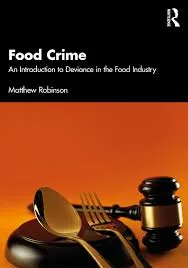
Food Crime: An Introduction to Deviance in the Food Industry

Food Crime: An Introduction to Deviance in the Food Industry

See More Products
From Fresh to Frozen in 3 Minutes Flat: Unlocking the Secrets to Temperature Control Webinar Sponsored by Air Products

Related Articles

  • USDA logo

    USDA launches partnership with state attorneys general to reduce anticompetitive barriers in food, agriculture supply chains

    See More
  • Seafood

    IFT Journal of Food Science examines sustainable supply chains for aquatic food

    See More
  • hand cutting a rotisserie chicken

    Biden-Harris administration announces new actions to strengthen food supply chains

    See More

Related Products

See More Products
  • food safety.jpg

    Food Safety in the Seafood Industry: A Practical Guide for ISO 22000 and FSSC 22000 Implementation

  • food-crime.jpg

    Food Crime: An Introduction to Deviance in the Food Industry

  • Food Plant Sanitation: Design, Maintenance, and Good Manufacturing Practices, Second Edition

See More Products

Events

View AllSubmit An Event
  • July 10, 2025

    Is Your Food Safety Plan Up to Date? Insights & Innovations Shaping Meat and Poultry Safety in 2025

    On-Demand Whether you're a processor, producer, or industry stakeholder, this is your chance to gain insider knowledge that will elevate your food safety practices from compliant to exemplary.
View AllSubmit An Event
×

Stay ahead of the curve. Unlock a dose of cutting-edge insights.

Receive our premium content directly to your inbox.

SIGN-UP TODAY
  • RESOURCES
    • Advertise
    • Contact Us
    • Directories
    • Store
    • Want More
  • SIGN UP TODAY
    • Create Account
    • eMagazine
    • Newsletter
    • Customer Service
    • Manage Preferences
  • SERVICES
    • Marketing Services
    • Reprints
    • Market Research
    • List Rental
    • Survey/Respondent Access
  • STAY CONNECTED
    • LinkedIn
    • Facebook
    • YouTube
    • X (Twitter)
  • PRIVACY
    • PRIVACY POLICY
    • TERMS & CONDITIONS
    • DO NOT SELL MY PERSONAL INFORMATION
    • PRIVACY REQUEST
    • ACCESSIBILITY

Copyright ©2026. All Rights Reserved BNP Media, Inc. and BNP Media II, LLC.

Design, CMS, Hosting & Web Development :: ePublishing