Provisioner logo
Provisioner logo
search
cart
facebook twitter linkedin youtube
  • Sign In
  • Create Account
  • Sign Out
  • My Account
Provisioner logo
Provisioner logo
  • NEWS
    • Industry News
    • Supplier News
    • Case Studies
    • Recalls
    • Regulations
    • New Consumer Products
  • EXCLUSIVES
    • Newsletters
    • Source Book
    • Sponsored Insights
    • Events
    • Webinars
    • Classifieds
    • White Papers
    • Provisioner Store
    • Market Research
  • MEAT PROCESSING
    • SUSTAINABILITY
    • Processing
    • Packaging
    • Ingredients
    • Formulation
    • Food Safety
    • Special Reports
    • Commentary
  • PROFILES
    • Processor Profiles
    • Processor of the Year
    • Top 100 Processors
  • MEDIA
    • Videos
    • Podcasts
  • DIRECTORY
  • MIHOF
  • INDEPENDENT PROCESSOR
  • EMAG
    • eMagazine
    • ARCHIVE ISSUES
    • Contact
    • Advertise
  • JOIN!
Supplier News

Food factories feeling the pressure
By Industry News
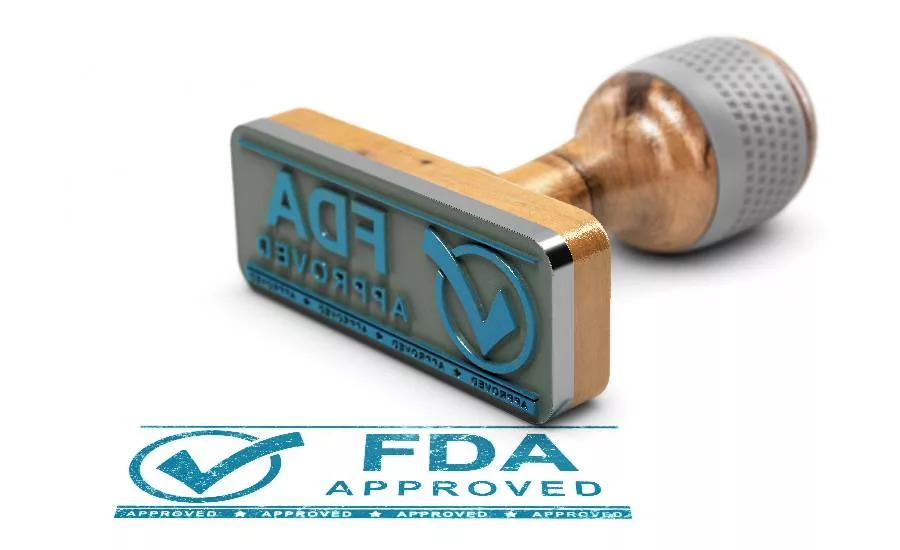
Fortress FDA stamp
June 23, 2021

Aftershocks of the COVID-19 pandemic is placing global food and supply chains under even greater pressure. Although the sector has stayed largely operational, as eating and spending habits change, and retail pricing pressures escalate, flexing to this uncertain landscape and maintaining robust contingency plans has become even more critical to survival.

During these challenging times, cost-cutting measures could have an adverse impact on food and drink safety, resulting in a rise in recalls cautions the inspection specialist.

The threat of ignoring these risks is significant. In one study, the FDA found that approximately one quarter of all food related complaints it received over the course of a year involved the presence of a visible foreign contaminant. This same study indicated that nearly 15% of the complainants had reportedly suffered an injury or illness, which they attributed to the foreign material.[1]

As the global food supply chain grows increasingly complex, the FDA’s Food Safety Modernization Act (FSMA) has shifted focus from response to prevention and is driving the adoption of track-and-trace technologies in all sectors. Despite stricter regulatory measures to prevent physical hazards from occurring, recall incidents increased in the US by ten percent between 2013 and 2018,[2] a major contributing factor linking a rise in physical contaminants, including metal, glass and plastic.

These findings imply that short-term thrift with equipment may have an adverse effect on food safety, putting a business and brand reputation in jeopardy. Understanding how to optimize metal detection systems is not just good business practice, it also forms a critical part of the planning for a recall process.

Protecting reputations
News of a recall spreads fast on social media, and often leads to a reduction in sales and a loss of confidence in brands. In fact, according to a Harris Interactive poll, 55% of US consumers reported that they would switch brands temporarily following a product recall, while 21% said they would avoid purchasing any brand made by the offending manufacturer.[3]

Quality assurance often runs deeper than the obvious. Rather than considering the ‘if’ it can be prudent to think instead about the ‘when’. To mitigate future contaminant risks means you are not looking for patterns but future potential holes in the security chain. From a practical perspective, food processing inspection risks should be reviewed every 12 months as part of a defined HACCP assessment.

The speed at which a food company can publicly pinpoint the source of a contaminant is imperative and can minimise the damage caused by a recall. While inspection systems such as metal detectors and x-ray are an integral first step in quality control, proper management with regular testing is vital to ensure optimum protection is achieved.

From HACCP to HARPC
Under the FSMA, the longstanding Hazard Analysis and Critical Control Point (HACCP) principles have been superseded by Hazard Analysis and Risk-Based Preventive Controls (HARPC). The biggest difference is that HARPC standards extend beyond Critical Control Points. Food processors must document all potential product risks, including planning for potential terrorist acts, intentional adulteration and food fraud.

Canada too updated its food safety system at the start of 2019, implementing new Safe Foods for Canadians Regulations. As well as affecting the Canadian food industry, it requires companies that export to Canada, especially the United States, to have a SFC license. Canada’s new rules place greater emphasis on hygiene and hazardous-based preventative controls. This includes a new standard on recording the chain of custody from the start of production to point of sale.

Retail compliance
Food producers and packers clearly need to comply with legislative requirements. But in reality, it is supermarkets and club stores who are driving food safety compliance right down the food chain – a trend that is partly due to the power consumers now wield through social media. In the event of a food safety incident, an individual may not even try to take up the issue with the retailer or food producer, instead going straight to social media. As a result, supermarkets too are taking food safety matters into their own hands and insisting that all suppliers install metal detection if they are to retain shelf space.

When balancing the risks and rewards of investing in optimized metal detectors systems, many users don’t perceive them as generating value for their business beyond the need to comply with customer demands, such as codes of practice. However, short-term thrift could be an expensive mistake in the longer term.

Any food manufacturer should look at this from a risk management perspective. Think of it like fire insurance. No one intends to allow metal to contaminate their food products any more than they intend to burn down their factory, but that doesn’t stop them from investing in fire protection and insurance. In the same way, investing in metal detection reduces the risk of a company’s hard-won reputation for food safety going up in flames. By weighing the cost of equipment versus the cost of a product recall, the decision to invest in good quality inspection equipment should a simple one.

For more information visit www.fortresstechnology.com.


[1] https://www.raglandjones.com/food-foreign-object-injury.html

[2] https://time.com/5504355/food-recalls-more-common/

[3] https://theharrispoll.com/wp-content/uploads/2017/12/Harris-Interactive-Poll-Research-Crisis-Food-Recalls-2007-06.pdf

KEYWORDS: Fortress Technology Recall

Share This Story

Looking for a reprint of this article?
From high-res PDFs to custom plaques, order your copy today!


Recommended Content

JOIN TODAY
to unlock your recommendations.

Already have an account? Sign In

  • Double Charburger

    Premiumization drives burger category

    Shoppers seek out premium meat offerings to fulfill...
    Ingredients
    By: Sammy Bredar
  • JJS Adult Pekin duck

    Poultry Report 2025: Convenience propels poultry at retail

    Despite continued economic pressures, the poultry...
    Turkey
    By: Sammy Bredar
You must login or register in order to post a comment.

Report Abusive Comment

Manage My Account
  • eMagazine Subscriptions
  • Manage My Preferences
  • Newsletters
  • Online Registration
  • Subscription Customer Service
  • Connect with The National Provisioner

More Videos

Sponsored Content

Sponsored Content is a special paid section where industry companies provide high quality, objective, non-commercial content around topics of interest to the The National Provisioner audience. All Sponsored Content is supplied by the advertising company and any opinions expressed in this article are those of the author and not necessarily reflect the views of The National Provisioner or its parent company, BNP Media. Interested in participating in our Sponsored Content section? Contact your local rep!

close
  • A smiling man carrying a grocery basket is reaching down to pick up a package of meat in a grocery store.
    Sponsored byPIC

    The Green Light: New Data Shows 12-to-1 Support for Pork from PRRS-Resistant Pigs

  • Close up of a grocery cart full of groceries, a cropped image of a couple pushing the cart and a blurred background of the vegetable aisle.
    Sponsored byPIC

    New Market Research Finds Consumers in Eight Key Pork Markets Are Likely to Purchase Pork from Gene-Edited Pigs

  • Close up of a young pig with a blurred background.
    Sponsored byPIC

    New Research Forecasts Significant Economic and Market Impacts with PRRS-Resistant Pig Adoption

Popular Stories

Spam Dog

Hormel rolls out Spam hot dog for foodservice applications

Various new Primal snack sticks on a table amongst pencils, apples, a pair of glasses, lunch bags and a water bottle.

Protein demand drives snacking occasions

Several cuts of beef, pork and chicken on a wooden board, cast iron pan and salt.

Validated thermal lethality data and a new tool for ensuring safety of RTE meats

2026 Top 100 Meat & Poultry Processors Report

Events

June 11, 2026

From Fresh to Frozen in 3 Minutes Flat: Unlocking the Secrets to Temperature Control

Join Tony Vacaro, Foods Industry Manager, and Emile Klein, Foods Market Strategy Manager at Air Products and Chemicals, Inc. , as they tackle key questions surrounding heat removal in food processing. 

January 1, 2030

Webinar Sponsorship Information

For webinar sponsorship information, visit www.bnpevents.com/webinars or email webinars@bnpmedia.com.

View All Submit An Event

Products

Food Crime: An Introduction to Deviance in the Food Industry

Food Crime: An Introduction to Deviance in the Food Industry

See More Products
From Fresh to Frozen in 3 Minutes Flat: Unlocking the Secrets to Temperature Control Webinar Sponsored by Air Products

Related Articles

  • High-pressure processing puts the pressure on

    See More
  • Fortress Technology X-Ray and metal

    X-ray or metal detection? Why there’s room for both in food factories

    See More
  • Fortress stewardship

    Supporting Sustainability: Helping food factories make mindful food inspection choices

    See More

Related Products

See More Products
  • food-crime.jpg

    Food Crime: An Introduction to Deviance in the Food Industry

  • The 10 Principles of Food Industry Sustainability

  • food safety.jpg

    Food Safety in the Seafood Industry: A Practical Guide for ISO 22000 and FSSC 22000 Implementation

See More Products

Events

View AllSubmit An Event
  • April 25, 2013

    Food Plant of the Future: Global Food Safety Impact on Facilities

    On demand SQF 2000, FSMA, ISO 22000/PAS220 and other standards continue to gain traction in an attempt to create safer foods and beverages.
  • April 26, 2012

    Food Plant of the Future: Raising the Bar on Plant Air Quality

    On demand Exclusively for thought-leaders in food and beverage processing facility management, Food Plant of the Future webinars are presented by Hixson, a leading design and engineering firm of food processing facilities in North America.
View AllSubmit An Event
×

Stay ahead of the curve. Unlock a dose of cutting-edge insights.

Receive our premium content directly to your inbox.

SIGN-UP TODAY
  • RESOURCES
    • Advertise
    • Contact Us
    • Directories
    • Store
    • Want More
  • SIGN UP TODAY
    • Create Account
    • eMagazine
    • Newsletter
    • Customer Service
    • Manage Preferences
  • SERVICES
    • Marketing Services
    • Reprints
    • Market Research
    • List Rental
    • Survey/Respondent Access
  • STAY CONNECTED
    • LinkedIn
    • Facebook
    • YouTube
    • X (Twitter)
  • PRIVACY
    • PRIVACY POLICY
    • TERMS & CONDITIONS
    • DO NOT SELL MY PERSONAL INFORMATION
    • PRIVACY REQUEST
    • ACCESSIBILITY

Copyright ©2026. All Rights Reserved BNP Media, Inc. and BNP Media II, LLC.

Design, CMS, Hosting & Web Development :: ePublishing