Provisioner logo
Provisioner logo
search
cart
facebook twitter linkedin youtube
  • Sign In
  • Create Account
  • Sign Out
  • My Account
Provisioner logo
Provisioner logo
  • NEWS
    • Industry News
    • Supplier News
    • Case Studies
    • Recalls
    • Regulations
    • New Consumer Products
  • EXCLUSIVES
    • Newsletters
    • Source Book
    • Sponsored Insights
    • Events
    • Webinars
    • Classifieds
    • White Papers
    • Provisioner Store
    • Market Research
  • MEAT PROCESSING
    • SUSTAINABILITY
    • Processing
    • Packaging
    • Ingredients
    • Formulation
    • Food Safety
    • Special Reports
    • Commentary
  • PROFILES
    • Processor Profiles
    • Processor of the Year
    • Top 100 Processors
  • MEDIA
    • Videos
    • Podcasts
  • DIRECTORY
  • MIHOF
  • INDEPENDENT PROCESSOR
  • EMAG
    • eMagazine
    • ARCHIVE ISSUES
    • Contact
    • Advertise
  • JOIN!
SustainabilityExpert Commentary

Guest Commentary | Sustainability

How to integrate renewable energy into your business

Renewable energy projects demonstrate that sustainability and profitability are not mutually exclusive.
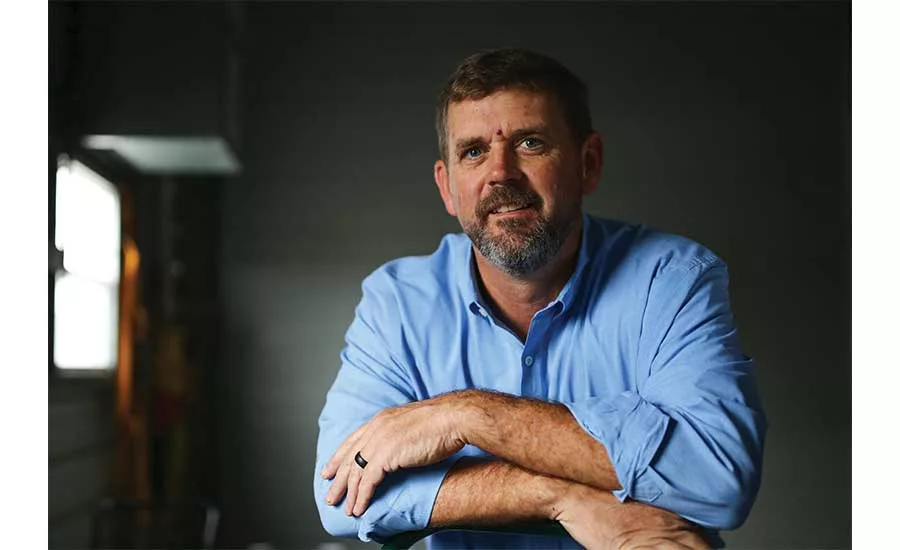
By Kraig Westerbeek
Smithfield Renewables
January 20, 2020

By 2050, the world’s population is expected to grow to almost 10 billion people, according to the United Nations, Department of Economic and Social Affairs, New York City. This growth means there will be billions more people to feed with a finite number of resources. To meet demand and maximize the use of available resources, food companies must create a more sustainable supply chain and implement innovative efforts to increase production while protecting the environment. An effective way to do this is by utilizing renewable energy.

In 2016, Smithfield Foods, Smithfield, Va., was the first major protein company to set an ambitious goal to reduce greenhouse gas (GHG) emissions 25% by 2025. To help us meet this goal, we launched Smithfield Renewables, a platform to unify and accelerate our carbon reduction and renewable energy efforts across our supply chain.

Under Smithfield Renewables, we execute renewable energy projects across farms and facilities. On farms, we transform methane emissions from hog manure into renewable natural gas (RNG) to implement these projects on 90% of our hog finishing spaces in North Carolina, Virginia, Utah, and nearly all of our hog finishing spaces in Missouri over the next 10 years. At facilities, we capture biogas from anaerobic wastewater treatment systems to create RNG, which cuts fuel costs and reduces GHG emissions.

Here are a few best practices and lessons in how to leverage renewable energy.


Focus on adding value

Renewable energy projects are an effective way to reduce carbon footprint while improving your company’s bottom line. These projects epitomize the circular economy, as they utilize a waste product—in our case, hog manure or wastewater—from operations to create value. Whatever the input, your model should reduce costs, drive efficiencies or create new sources of revenue.

Smithfield has spent years exploring renewable energy projects. Not every attempt we made was viable, and some projects generate more value than others. To be successful, businesses must maximize resources on the projects that will drive the most value. For example, our “manure-to-electricity” projects developed in 2007 continue to operate and generate valuable renewable energy, but exploring other approaches, such as converting manure into RNG, yields the maximum value for our company and stakeholders.


Research
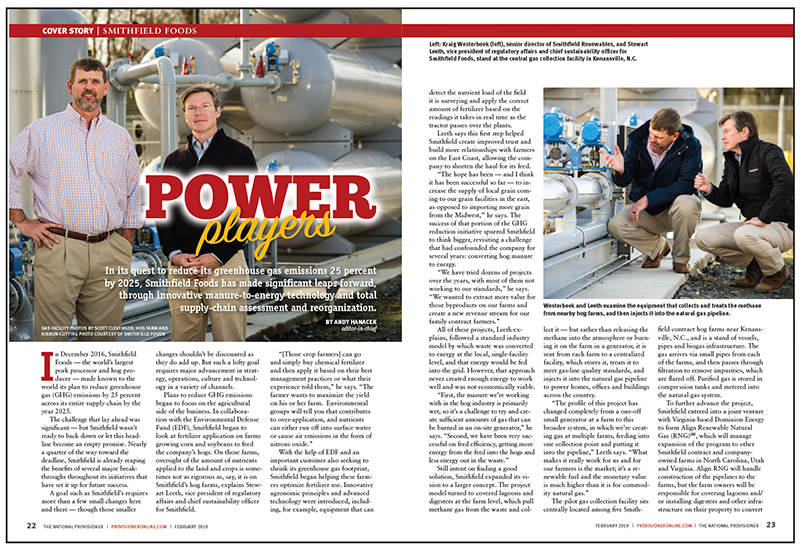
Smithfield Foods Article in The National Provisioner
In February 2019, The National Provisioner featured Smithfield Foods' initial successes in creating renewable energy from hog manure at the farm level.

Implementing renewable energy projects requires a firm understanding of your company’s supply chain, the renewable energy market landscape and the available technology. Smithfield has been working with renewable energy since the 1990s, devoting a significant amount of attention to researching, exploring and perfecting sustainable ways to transform waste product into energy.

When we established our GHG reduction goal, we enlisted the help of the University of Minnesota’s NorthStar Initiative for Sustainable Enterprise, St. Paul, Minn., and Environmental Defense Fund, New York, to identify the greatest opportunities to reduce GHG emissions across our supply chain. That research is a tool used to identify and prioritize initiatives that will have the highest impact.


Establish partnerships

The right partners are key to implementing renewable energy projects. Partnerships provide expertise and resources that one company alone may not have access to. We actively work with technology providers, utilities and government agencies to identify and develop pioneering renewable energy technologies.

To bring our renewable energy initiatives to life, we partnered with Dominion Energy, Richmond, Va., to form Align Renewable Natural Gas (RNG) and transform manure on our farms into renewable energy in North Carolina, Utah, and Virginia. We also launched Monarch Bioenergy in partnership with Roeslein Alternative Energy, St. Louis, Mo., to expand our “manure-to-energy” projects in Missouri and other states. At our Tar Heel, N.C., facility, we partnered with Optima BioEnergy, Raleigh, N.C., to install technology that transports wastewater-generated RNG to local homes and businesses.

Operating in a sustainable way is both good for business and necessary to feeding a growing world population. Renewable energy projects demonstrate that sustainability and profitability are not mutually exclusive. These projects concurrently reduce a company’s environmental footprint and create value for stakeholders.


This article was originally posted on www.refrigeratedfrozenfood.com.
KEYWORDS: greenhouse gases renewable energy renewable natural gas Smithfield Foods supply chain strategies

Share This Story

Looking for a reprint of this article?
From high-res PDFs to custom plaques, order your copy today!


Kraig Westerbeek is senior director of Smithfield Renewables and hog production environmental affairs for Smithfield Foods, Smithfield, Va.

Recommended Content

JOIN TODAY
to unlock your recommendations.

Already have an account? Sign In

  • Double Charburger

    Premiumization drives burger category

    Shoppers seek out premium meat offerings to fulfill...
    Burgers
    By: Sammy Bredar
  • JJS Adult Pekin duck

    Poultry Report 2025: Convenience propels poultry at retail

    Despite continued economic pressures, the poultry...
    Meat and Poultry Industry News
    By: Sammy Bredar
You must login or register in order to post a comment.

Report Abusive Comment

Manage My Account
  • eMagazine Subscriptions
  • Manage My Preferences
  • Newsletters
  • Online Registration
  • Subscription Customer Service
  • Connect with The National Provisioner

More Videos

Sponsored Content

Sponsored Content is a special paid section where industry companies provide high quality, objective, non-commercial content around topics of interest to the The National Provisioner audience. All Sponsored Content is supplied by the advertising company and any opinions expressed in this article are those of the author and not necessarily reflect the views of The National Provisioner or its parent company, BNP Media. Interested in participating in our Sponsored Content section? Contact your local rep!

close
  • A smiling man carrying a grocery basket is reaching down to pick up a package of meat in a grocery store.
    Sponsored byPIC

    The Green Light: New Data Shows 12-to-1 Support for Pork from PRRS-Resistant Pigs

  • Close up of a grocery cart full of groceries, a cropped image of a couple pushing the cart and a blurred background of the vegetable aisle.
    Sponsored byPIC

    New Market Research Finds Consumers in Eight Key Pork Markets Are Likely to Purchase Pork from Gene-Edited Pigs

  • Close up of a young pig with a blurred background.
    Sponsored byPIC

    New Research Forecasts Significant Economic and Market Impacts with PRRS-Resistant Pig Adoption

Popular Stories

Spam Dog

Hormel rolls out Spam hot dog for foodservice applications

Various new Primal snack sticks on a table amongst pencils, apples, a pair of glasses, lunch bags and a water bottle.

Protein demand drives snacking occasions

Several cuts of beef, pork and chicken on a wooden board, cast iron pan and salt.

Validated thermal lethality data and a new tool for ensuring safety of RTE meats

2026 Top 100 Meat & Poultry Processors Report

Events

June 11, 2026

From Fresh to Frozen in 3 Minutes Flat: Unlocking the Secrets to Temperature Control

Join Tony Vacaro, Foods Industry Manager, and Emile Klein, Foods Market Strategy Manager at Air Products and Chemicals, Inc. , as they tackle key questions surrounding heat removal in food processing. 

January 1, 2030

Webinar Sponsorship Information

For webinar sponsorship information, visit www.bnpevents.com/webinars or email webinars@bnpmedia.com.

View All Submit An Event

Products

Food Crime: An Introduction to Deviance in the Food Industry

Food Crime: An Introduction to Deviance in the Food Industry

See More Products
From Fresh to Frozen in 3 Minutes Flat: Unlocking the Secrets to Temperature Control Webinar Sponsored by Air Products

Related Articles

  • Help assure your success: Infuse your business with new ideas

    See More
  • Smithfield Foods and RAE partner to produce renewable energy while restoring Missouri’s natural environment

    See More
  • USDA invests $63 million to support 264 renewable energy and energy efficiency projects nationwide

    See More

Related Products

See More Products
  • GlobalData_logo_blue_header.png

    Frozen Meat (Meat) Market in the United States of America - Outlook to 2023...

See More Products

Events

View AllSubmit An Event
  • May 7, 2026

    Stop Plant-Floor Margin Leakage: How to Quantify and Eliminate Hidden Costs

    On-Demand WorkForge Advisor and veteran food production executive Tim Cook (Marlen International, LINXIS Group, Shick Esteve, AMF Bakery Systems) will share findings from The Hidden Costs of Inconsistent Employee Development in Food Manufacturing - research that outlines ten common, measurable, and fixable cost drivers that quietly hit your P&L.
View AllSubmit An Event
×

Stay ahead of the curve. Unlock a dose of cutting-edge insights.

Receive our premium content directly to your inbox.

SIGN-UP TODAY
  • RESOURCES
    • Advertise
    • Contact Us
    • Directories
    • Store
    • Want More
  • SIGN UP TODAY
    • Create Account
    • eMagazine
    • Newsletter
    • Customer Service
    • Manage Preferences
  • SERVICES
    • Marketing Services
    • Reprints
    • Market Research
    • List Rental
    • Survey/Respondent Access
  • STAY CONNECTED
    • LinkedIn
    • Facebook
    • YouTube
    • X (Twitter)
  • PRIVACY
    • PRIVACY POLICY
    • TERMS & CONDITIONS
    • DO NOT SELL MY PERSONAL INFORMATION
    • PRIVACY REQUEST
    • ACCESSIBILITY

Copyright ©2026. All Rights Reserved BNP Media, Inc. and BNP Media II, LLC.

Design, CMS, Hosting & Web Development :: ePublishing
