Provisioner logo
Provisioner logo
search
cart
facebook twitter linkedin youtube
  • Sign In
  • Create Account
  • Sign Out
  • My Account
Provisioner logo
Provisioner logo
  • NEWS
    • Industry News
    • Supplier News
    • Case Studies
    • Recalls
    • Regulations
    • New Consumer Products
  • EXCLUSIVES
    • Newsletters
    • Source Book
    • Sponsored Insights
    • Events
    • Webinars
    • Classifieds
    • White Papers
    • Provisioner Store
    • Market Research
  • MEAT PROCESSING
    • SUSTAINABILITY
    • Processing
    • Packaging
    • Ingredients
    • Formulation
    • Food Safety
    • Special Reports
    • Commentary
  • PROFILES
    • Processor Profiles
    • Processor of the Year
    • Top 100 Processors
  • MEDIA
    • Videos
    • Podcasts
  • DIRECTORY
  • MIHOF
  • INDEPENDENT PROCESSOR
  • EMAG
    • eMagazine
    • ARCHIVE ISSUES
    • Contact
    • Advertise
  • JOIN!
Ingredients

Sodium substitutions present opportunities, challenges

By Dr. James R. Claus, University of Wisconsin-Madison
October 17, 2013

The medical profession continues to demonstrate the need to significantly reduce the sodium content in the food supply. The link between hypertension and elevated sodium intake is well documented. Elevated levels of sodium may increase an individual’s risk for a stroke, heart failure, stomach cancer, kidney stones and other illnesses.

The average American consumes approximately 3,400 milligrams of sodium per day. In perspective, the American Heart Association recommends the daily allowance should not exceed 1,500 milligrams per day.

Processed meats have been identified as one of the major sodium-contributing food categories. In processed meats, salt (sodium chloride) is the most significant contributor to the sodium content. Sodium lactate and other antimicrobials, along with sodium phosphates, are other potential major contributors. Sodium chloride is a very functional ingredient in terms of its ability to extract myofibrillar proteins (contributing to water and fat binding), cause myofibril swelling which relates to water-holding capacity, provide desirable texture development, limit microbial growth (shelf life, food safety), enhance flavor and of course provide the desired perception of saltiness.

The industry has responded to consumer demand and the medical field’s recommendation that sodium content needs to be reduced. As lower sodium formulation levels are pursued, more advanced technological approaches will be required. A combination of maintaining the highest quality of raw meat materials, optimizing processing procedures, and utilizing a broader range of non-meat ingredients will help advance sodium reduction efforts. An associated challenge is that consumer demand continues to grow in the area of products that are considered more natural or organic, thus requiring a “clean” ingredient statement on the product.

There is potential for replacement of part of the sodium chloride content through the use of other chloride salts, such as potassium chloride, magnesium chloride and calcium chloride. This is largely in part because the chloride anion is the more active component relative to protein functionality. Historically, potassium chloride was limited to a conservative role in sodium reduction because the potassium cation results in a bitter or astringent taste. Magnesium chloride may present challenges associated with the magnesium in promoting lipid oxidation. The addition of calcium may interfere with appropriate protein-to-protein interactions. The use of sea salt has gained market presence.

Use of potassium chloride appears to offer the shortest path to significant reductions in sodium. In comparison to other non-meat ingredient approaches, potassium chloride is cost competitive and actually positively contributes from a dietary perspective. The medical profession recognizes that Americans don’t consume enough potassium, and a proper ratio of potassium to sodium may also provide desirable health benefits. Interestingly, fresh meat in which salt is not added contains approximately 4 times more potassium than sodium.

Maskers or bitterness blockers are available to support the use of potassium chloride. A recently introduced novel potassium chloride multi-component single crystal has demonstrated good functionality while limiting the perception of the bitterness associated with potassium chloride.

Other ingredients that enhance the perception of saltiness and umami flavor also can contribute to sodium reduction. A breadth of flavor enhancers include: meat stocks, yeast products, soy sauce, glutamates, hydrolyzed proteins and nucleotide-containing ingredients.

A combination of optimizing the quality of the starting meat materials, use of advanced processing procedures along with exploring the breadth of new non-meat ingredients will help reduce the sodium content in processed meats. 

KEYWORDS: processed meats sodium reduction

Share This Story

Looking for a reprint of this article?
From high-res PDFs to custom plaques, order your copy today!


Dr. James R. Claus is the director of the Muscle Biology Laboratory at the University of Wisconsin-Madison, and is scheduled to lead a presentation on this topic during Process Expo at Chicago’s McCormick Place, Nov. 3-6, 2013.

Recommended Content

JOIN TODAY
to unlock your recommendations.

Already have an account? Sign In

  • Double Charburger

    Premiumization drives burger category

    Shoppers seek out premium meat offerings to fulfill...
    Special Reports
    By: Sammy Bredar
  • JJS Adult Pekin duck

    Poultry Report 2025: Convenience propels poultry at retail

    Despite continued economic pressures, the poultry...
    Chicken
    By: Sammy Bredar
You must login or register in order to post a comment.

Report Abusive Comment

Manage My Account
  • eMagazine Subscriptions
  • Manage My Preferences
  • Newsletters
  • Online Registration
  • Subscription Customer Service
  • Connect with The National Provisioner

More Videos

Sponsored Content

Sponsored Content is a special paid section where industry companies provide high quality, objective, non-commercial content around topics of interest to the The National Provisioner audience. All Sponsored Content is supplied by the advertising company and any opinions expressed in this article are those of the author and not necessarily reflect the views of The National Provisioner or its parent company, BNP Media. Interested in participating in our Sponsored Content section? Contact your local rep!

close
  • A smiling man carrying a grocery basket is reaching down to pick up a package of meat in a grocery store.
    Sponsored byPIC

    The Green Light: New Data Shows 12-to-1 Support for Pork from PRRS-Resistant Pigs

  • Close up of a grocery cart full of groceries, a cropped image of a couple pushing the cart and a blurred background of the vegetable aisle.
    Sponsored byPIC

    New Market Research Finds Consumers in Eight Key Pork Markets Are Likely to Purchase Pork from Gene-Edited Pigs

  • Close up of a young pig with a blurred background.
    Sponsored byPIC

    New Research Forecasts Significant Economic and Market Impacts with PRRS-Resistant Pig Adoption

Popular Stories

Various new Primal snack sticks on a table amongst pencils, apples, a pair of glasses, lunch bags and a water bottle.

Protein demand drives snacking occasions

Spam Dog

Hormel rolls out Spam hot dog for foodservice applications

Several cuts of beef, pork and chicken on a wooden board, cast iron pan and salt.

Validated thermal lethality data and a new tool for ensuring safety of RTE meats

2026 Top 100 Meat & Poultry Processors Report

Events

January 1, 2030

Webinar Sponsorship Information

For webinar sponsorship information, visit www.bnpevents.com/webinars or email webinars@bnpmedia.com.

View All Submit An Event

Products

Food Crime: An Introduction to Deviance in the Food Industry

Food Crime: An Introduction to Deviance in the Food Industry

See More Products
From Fresh to Frozen in 3 Minutes Flat: Unlocking the Secrets to Temperature Control Webinar Sponsored by Air Products

Related Articles

  • National Pork Producers Council logo

    NPPC economic update gives snapshot of current pork industry opportunities and challenges

    See More
  • Chris Young, Executive Director of AAMP

    What are the biggest challenges, opportunities for small processors according to Chris Young, Executive Director of AAMP

    See More
  • NMPAN webinar: Local meat to local institutions challenges & opportunities for farmers & packers

    See More

Related Products

See More Products
  • utilization.jpg

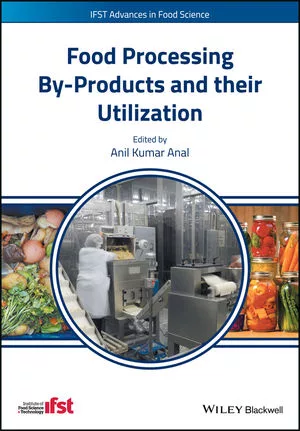
    Food Processing By-Products and their Utilization

  • Organic Meat Production and Processing

  • Optimizing Social Media from a B2B Perspective

See More Products

Related Directories

  • National Protein & Food Distributors Assn.

    NPFDA’s Mission is to promote the Protein and Food Distributors, Processors, and Allied industries by bringing them together and providing forums to foster long-term business relationships. NPFDA provides networking opportunities where members can exchange ideas and discuss challenges and opportunities facing the protein and food industries.
×

Stay ahead of the curve. Unlock a dose of cutting-edge insights.

Receive our premium content directly to your inbox.

SIGN-UP TODAY
  • RESOURCES
    • Advertise
    • Contact Us
    • Directories
    • Store
    • Want More
  • SIGN UP TODAY
    • Create Account
    • eMagazine
    • Newsletter
    • Customer Service
    • Manage Preferences
  • SERVICES
    • Marketing Services
    • Reprints
    • Market Research
    • List Rental
    • Survey/Respondent Access
  • STAY CONNECTED
    • LinkedIn
    • Facebook
    • YouTube
    • X (Twitter)
  • PRIVACY
    • PRIVACY POLICY
    • TERMS & CONDITIONS
    • DO NOT SELL MY PERSONAL INFORMATION
    • PRIVACY REQUEST
    • ACCESSIBILITY

Copyright ©2026. All Rights Reserved BNP Media, Inc. and BNP Media II, LLC.

Design, CMS, Hosting & Web Development :: ePublishing