 RSS
RSS
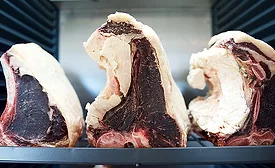
Meat and Poultry Processing

Processing Tech
Worker safety in meat and poultry processing: A team effort
Meat and poultry processors enhance operating protocols to minimize worker injuries and illnesses, but employee buy-in is crucial.
Read More



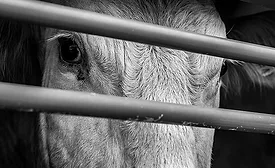
Farm to Plate
Data pinpoints need for a continued focus on stunning efficacy and management
A stunning issue: Assessing humane-handling enforcement actions and developing teachable moments for processors on stunning and handling of animals.
Read More


The necessity of the slaughterhouse
For the meat industry to operate smoothly, there must be enough slaughter facilities to meet the demand.
Read More
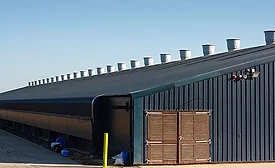
Meat Science Review
Can probiotics help combat heat stress in broiler chickens?
Probiotic supplementation as a novel nutraceutical strategy to improve meat quality of broiler chickens exposed to chronic heat stress
Read More

Processing Tech
Bump in grinds: The ground meats sector is packed with potential
Technologies for producing higher quality and a greater range of ground meats are becoming more effective and prominent.
Read More



Spare Parts Know-How