Meat Snacks Report 2026
Protein demand drives snacking occasions
New Primal and Charcuterie Artisans explore top trends influencing the meat snack category:
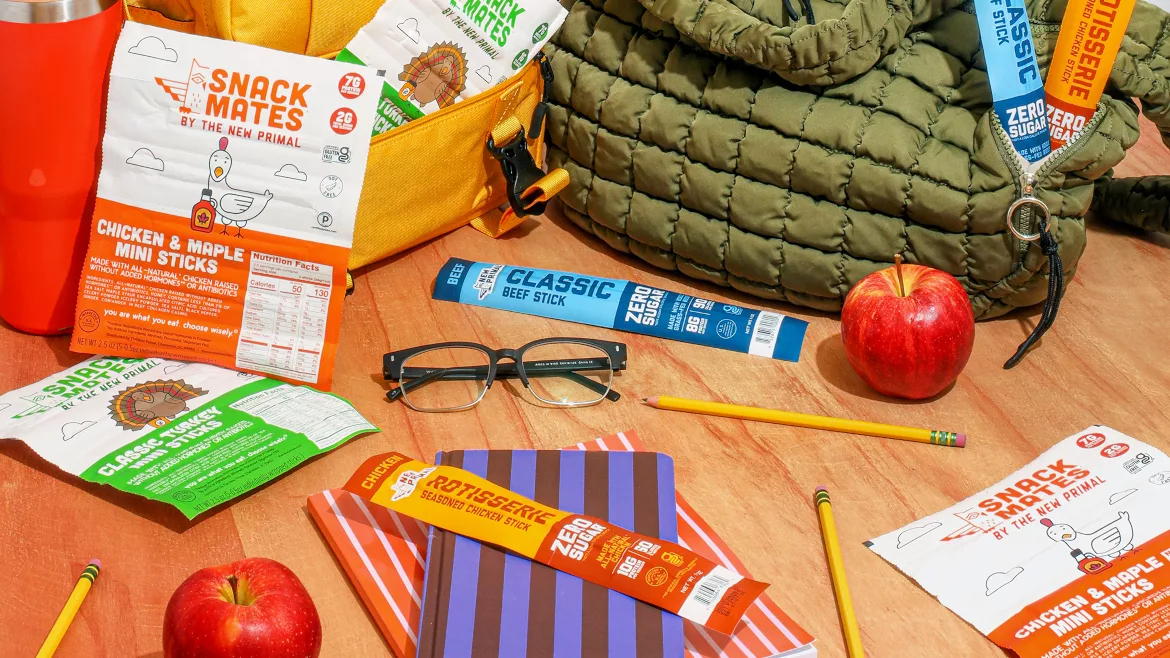
Meat snacks continue to perform well at retail, with the market reaching over $22 billion in 2026 and projected to grow to over $30 billion by 2035, according to Mordor Intelligence. North America is leading meat snacks market growth, holding about 44% of global market share.
Rising demand for convenience continues to support category growth, especially as consumers pivot away from traditional meal occasions to more on-the-go eating. This shift is fueling growth across formats, particularly in snack and variety packs.
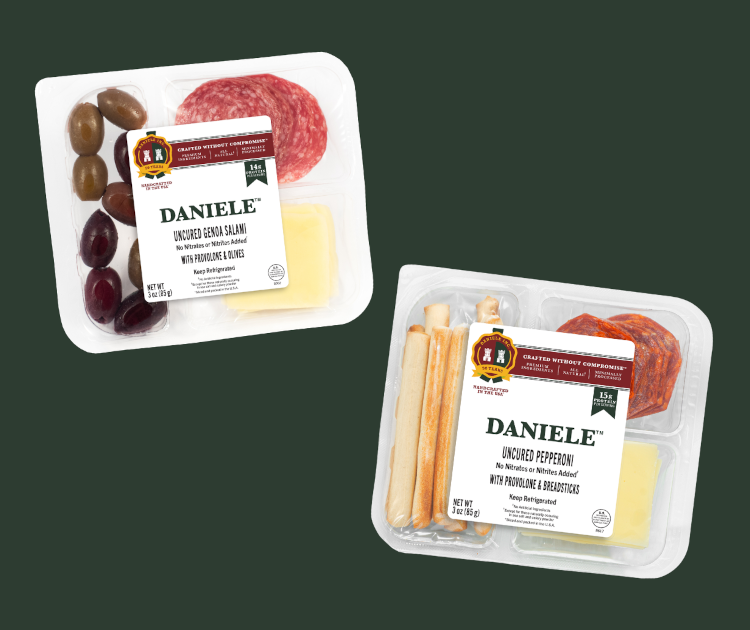
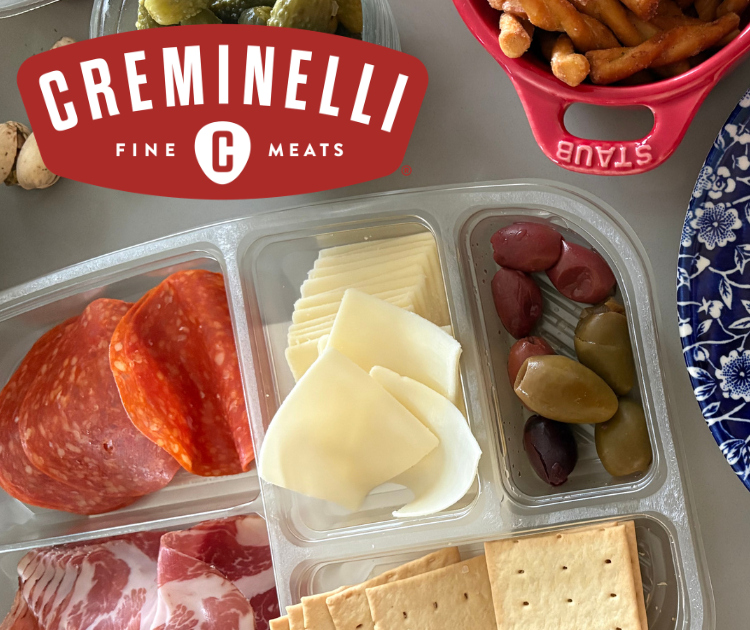
Michael Burgess, director of marketing for Charcuterie Artisans, parent company of Creminelli, Daniele, La Quercia and DelDuca brands, said this shift in eating occasions is bolstering the snack pack segment, which is up over 6% in units versus a year ago.
He noted a longstanding gap in portioning, where options historically ranged from small, child-focused packs to large entertaining trays. In response, the company introduced a five-chamber tray designed for individual consumption, targeting consumers seeking balance between portion control and variety.
Booming demand for protein is a strong driver for the meat snacks category; according to the Power of Meat Report 2026, more than 90% of consumers say protein is very or somewhat important to them, and more than 40% say they are eating more protein than they were five years ago. As consumer concern over heavily processed foods rises, meat and poultry snacks respond to demand for both minimal ingredients and high protein content.
Clear differences are emerging in product expectations between retail and e-commerce channels, particularly for the better-for-you meat snack category. E-commerce continues to function as a testing ground for innovation, while retail prioritizes familiarity and velocity.
Jason Burke, founder of meat snack company New Primal, said that the gap between these two channels is becoming more strategic. He noted that online platforms encourage trial, particularly for poultry-based snacks, emerging flavors, and variety packs. He added that pantry stocking has become a defining trend across both channels. Multi-count meat stick packs, once a niche format, now rank among top sellers.
“On the other hand, retail still rewards familiarity, clear use cases like lunchboxes or on-the-go, and strong velocity per SKU,” Burke said.
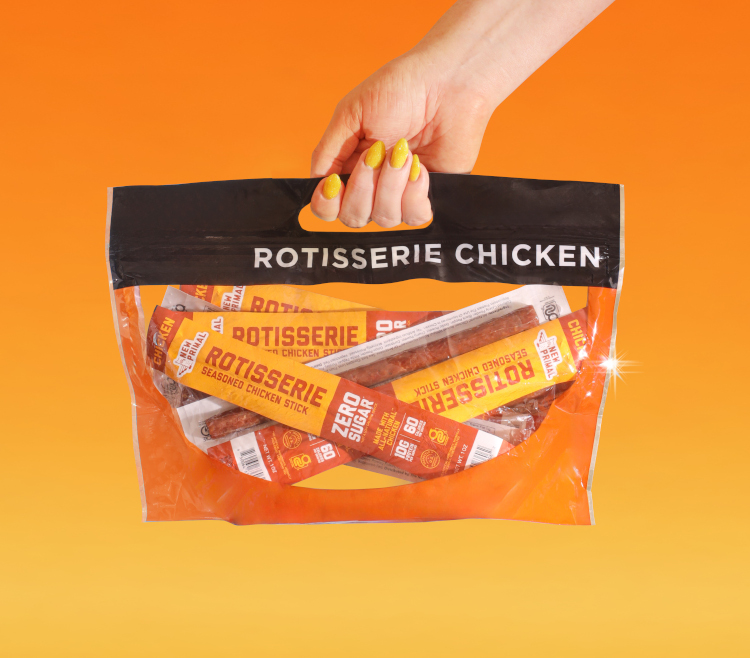

Photos courtesy of New Primal
Trending flavor profiles
While traditional, meat-forward flavor profiles continue to trend, innovative flavor combinations are quickly gaining traction in the jerky and snack stick category.
To keep consumers interested in ongoing innovation in the category, meat brands are regularly rolling out new innovations, featuring trendy flavors like swicy (sweet and spicy), global and regional profiles, and nostalgic ingredient combinations.
“New flavors, regional ingredients, unexpected formats are what gets people to try something new and come back for more,” Burgess said. “We have found introducing unique flavors, whether old-world inspired or new, keeps customers entertained and evolving their boards and bites.”
Burgess emphasized that the opportunity for brand differentiation right now depends on balancing innovation with sourcing transparency.
Photos courtesy of Charcuterie Artisans
Formulation strategies
At the same time, clean-label expectations are reshaping product development. Many consumers are placing strong emphasis on sourcing, animal welfare and ingredient simplicity, leading processors to reconsider formulation strategies.
Burke noted that this shift extends beyond ingredients and into operational complexity; removing functional ingredients like sugar, binders and preservatives requires more control over raw materials, processing conditions and product structure.
“When you move to cleaner inputs, you lose the safety nets traditional formulations rely on,” Burke said. “That forces much tighter control over raw material quality and consistency, processing precision, and flavor systems that can stand on their own.”
Nutritional goals, particularly high-protein content and reduced sugar, are shifting processing requirements. Adjustments to drying times, moisture levels and density are essential to maintaining shelf stability and appealing texture. Burke noted that achieving a softer bite in high-protein products, especially poultry-based snacks, requires ongoing refinement. “It’s a constant balance between nutrition, texture, and scalability.”
Maintaining consistent quality with more limited ingredient systems remains a key challenge, as clean-label formulations introduce variability. This requires greater precision in sourcing, cooking and smoking. Burke noted that managing this challenge requires tight supplier specifications, batch-level calibration and ongoing collaboration with co-manufacturers.
Labeling and certification requirements add further complexities for the category. Burke said that claims like antibiotic-free and GAP-certified sourcing often extend development timelines by introducing additional complexity across raw material sourcing, co-manufacturing alignment, documentation and verification, and packaging approvals. Burke recommends integrating these requirements early in the product development process to avoid delays or the need to reformulate.
Looking ahead, the meat snacks category is positioned for continued growth, driven by convenience-focused formats, innovative flavor profiles, transparent sourcing and clearly communicated ingredients.
Looking for a reprint of this article?
From high-res PDFs to custom plaques, order your copy today!