Provisioner logo
Provisioner logo
search
cart
facebook twitter linkedin youtube
  • Sign In
  • Create Account
  • Sign Out
  • My Account
Provisioner logo
Provisioner logo
  • NEWS
    • Industry News
    • Supplier News
    • Case Studies
    • Recalls
    • Regulations
    • New Consumer Products
  • EXCLUSIVES
    • Newsletters
    • Source Book
    • Sponsored Insights
    • Events
    • Webinars
    • Classifieds
    • White Papers
    • Provisioner Store
    • Market Research
  • MEAT PROCESSING
    • SUSTAINABILITY
    • Processing
    • Packaging
    • Ingredients
    • Formulation
    • Food Safety
    • Special Reports
    • Commentary
  • PROFILES
    • Processor Profiles
    • Processor of the Year
    • Top 100 Processors
  • MEDIA
    • Videos
    • Podcasts
  • DIRECTORY
  • MIHOF
  • INDEPENDENT PROCESSOR
  • EMAG
    • eMagazine
    • ARCHIVE ISSUES
    • Contact
    • Advertise
  • JOIN!
Meat and Poultry Industry News

USDA detects atypical BSE in one Alabama cow

By Industry News
July 19, 2017

The U.S. Department of Agriculture (USDA) announced an atypical case of Bovine Spongiform Encephalopathy (BSE), a neurologic disease of cattle, in an eleven-year old cow in Alabama. This animal never entered slaughter channels and at no time presented a risk to the food supply, or to human health in the United States.

USDA Animal and Plant Health Inspection Service’s (APHIS) National Veterinary Services Laboratories (NVSL) have determined that this cow was positive for atypical (L-type) BSE. The animal was showing clinical signs and was found through routine surveillance at an Alabama livestock market. APHIS and Alabama veterinary officials are gathering more information on the case.

BSE is not contagious and exists in two types - classical and atypical.  Classical BSE is the form that occurred primarily in the United Kingdom, beginning in the late 1980’s, and it has been linked to variant Creutzfeldt-Jakob disease (vCJD) in people. The primary source of infection for classical BSE is feed contaminated with the infectious prion agent, such as meat-and-bone meal containing protein derived from rendered infected cattle. Regulations from the Food and Drug Administration (FDA) have prohibited the inclusion of mammalian protein in feed for cattle and other ruminants since 1997 and have also prohibited high risk tissue materials in all animal feed since 2009. Atypical BSE is different, and it generally occurs in older cattle, usually 8 years of age or greater. It seems to arise rarely and spontaneously in all cattle populations.

This is the nation’s 5th detection of BSE. Of the four previous U.S. cases, the first was a case of classical BSE that was imported from Canada; the rest have been atypical (H- or L-type) BSE.

The World Organization for Animal Health (OIE) has recognized the United States as negligible risk for BSE. As noted in the OIE guidelines for determining this status, atypical BSE cases do not impact official BSE risk status recognition as this form of the disease is believed to occur spontaneously in all cattle populations at a very low rate. Therefore, this finding of an atypical case will not change the negligible risk status of the United States, and should not lead to any trade issues. 

The United States has a longstanding system of interlocking safeguards against BSE that protects public and animal health in the United States, the most important of which is the removal of specified risk materials - or the parts of an animal that would contain BSE should an animal have the disease - from all animals presented for slaughter. The second safeguard is a strong feed ban that protects cattle from the disease. Another important component of our system - which led to this detection - is an ongoing BSE surveillance program that allows USDA to detect the disease if it exists at very low levels in the U.S. cattle population.

Source: USDA

KEYWORDS: bse

Share This Story

Looking for a reprint of this article?
From high-res PDFs to custom plaques, order your copy today!


Recommended Content

JOIN TODAY
to unlock your recommendations.

Already have an account? Sign In

  • Double Charburger

    Premiumization drives burger category

    Shoppers seek out premium meat offerings to fulfill...
    Special Reports
    By: Sammy Bredar
  • JJS Adult Pekin duck

    Poultry Report 2025: Convenience propels poultry at retail

    Despite continued economic pressures, the poultry...
    Meat and Poultry Industry News
    By: Sammy Bredar
You must login or register in order to post a comment.

Report Abusive Comment

Manage My Account
  • eMagazine Subscriptions
  • Manage My Preferences
  • Newsletters
  • Online Registration
  • Subscription Customer Service
  • Connect with The National Provisioner

More Videos

Sponsored Content

Sponsored Content is a special paid section where industry companies provide high quality, objective, non-commercial content around topics of interest to the The National Provisioner audience. All Sponsored Content is supplied by the advertising company and any opinions expressed in this article are those of the author and not necessarily reflect the views of The National Provisioner or its parent company, BNP Media. Interested in participating in our Sponsored Content section? Contact your local rep!

close
  • A smiling man carrying a grocery basket is reaching down to pick up a package of meat in a grocery store.
    Sponsored byPIC

    The Green Light: New Data Shows 12-to-1 Support for Pork from PRRS-Resistant Pigs

  • Close up of a grocery cart full of groceries, a cropped image of a couple pushing the cart and a blurred background of the vegetable aisle.
    Sponsored byPIC

    New Market Research Finds Consumers in Eight Key Pork Markets Are Likely to Purchase Pork from Gene-Edited Pigs

  • Close up of a young pig with a blurred background.
    Sponsored byPIC

    New Research Forecasts Significant Economic and Market Impacts with PRRS-Resistant Pig Adoption

Popular Stories

Spam Dog

Hormel rolls out Spam hot dog for foodservice applications

Various new Primal snack sticks on a table amongst pencils, apples, a pair of glasses, lunch bags and a water bottle.

Protein demand drives snacking occasions

Several cuts of beef, pork and chicken on a wooden board, cast iron pan and salt.

Validated thermal lethality data and a new tool for ensuring safety of RTE meats

2026 Top 100 Meat & Poultry Processors Report

Events

June 11, 2026

From Fresh to Frozen in 3 Minutes Flat: Unlocking the Secrets to Temperature Control

Join Tony Vacaro, Foods Industry Manager, and Emile Klein, Foods Market Strategy Manager at Air Products and Chemicals, Inc. , as they tackle key questions surrounding heat removal in food processing. 

January 1, 2030

Webinar Sponsorship Information

For webinar sponsorship information, visit www.bnpevents.com/webinars or email webinars@bnpmedia.com.

View All Submit An Event

Products

Food Crime: An Introduction to Deviance in the Food Industry

Food Crime: An Introduction to Deviance in the Food Industry

See More Products
From Fresh to Frozen in 3 Minutes Flat: Unlocking the Secrets to Temperature Control Webinar Sponsored by Air Products

Related Articles

  • News Brief Feature

    Fourth case of BSE in U.S. confirmed in California dairy cow

    See More
  • State of BSE in the United States

    See More
  • Arby’s to take Venison Sandwich nationwide in one-day offer

    See More

Related Products

See More Products
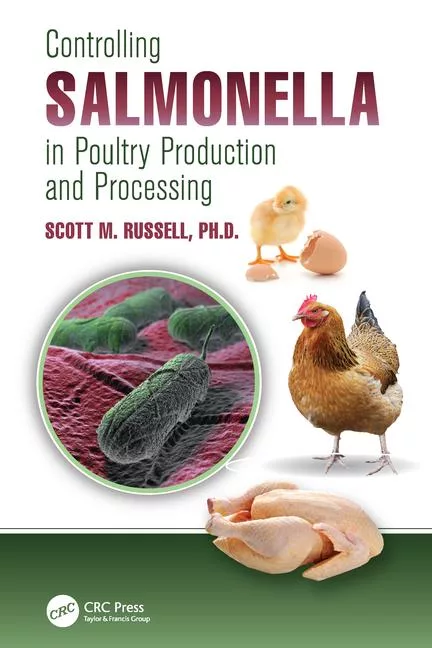
  • salmonela.jpg

    Controlling Salmonella in Poultry Production and Processing

  • food safety.jpg

    Food Safety in the Seafood Industry: A Practical Guide for ISO 22000 and FSSC 22000 Implementation

See More Products

Events

View AllSubmit An Event
  • October 18, 2011

    NEW COURSE! Micro 101 One day course $499

    FSNS now offers a course to provide companies who are interested in training and continuing education with an introduction course to microbiology.
  • January 25, 2023

    Facility Inspection Package Training by USDA-APHIS

    Are you engaged in your company's export activities? Specifically, preparing inspections packages for rendered products, animal-based feed or pet food? Then join us for an interactive training and Q&A with USDA-APHIS. Learn directly from APHIS how to better prepare packets and for facility inspections. This program is ideal for those actively preparing packets and facility inspections and those working directly with APHIS field staff (not a policy meeting).This agenda has been approved for 4 ARPAS CEU's.
View AllSubmit An Event
×

Stay ahead of the curve. Unlock a dose of cutting-edge insights.

Receive our premium content directly to your inbox.

SIGN-UP TODAY
  • RESOURCES
    • Advertise
    • Contact Us
    • Directories
    • Store
    • Want More
  • SIGN UP TODAY
    • Create Account
    • eMagazine
    • Newsletter
    • Customer Service
    • Manage Preferences
  • SERVICES
    • Marketing Services
    • Reprints
    • Market Research
    • List Rental
    • Survey/Respondent Access
  • STAY CONNECTED
    • LinkedIn
    • Facebook
    • YouTube
    • X (Twitter)
  • PRIVACY
    • PRIVACY POLICY
    • TERMS & CONDITIONS
    • DO NOT SELL MY PERSONAL INFORMATION
    • PRIVACY REQUEST
    • ACCESSIBILITY

Copyright ©2026. All Rights Reserved BNP Media, Inc. and BNP Media II, LLC.

Design, CMS, Hosting & Web Development :: ePublishing