Cover Story | The Year of the Independent Processor
The year of the independent processor
The small processor community has acted heroically during the most trying times in recent memory.

In a normal year, we would be presenting Independent Processor’s annual Processor of the Year Award to a company that best exemplifies all of the qualities of a small or mid-sized meat processor. In a normal year, it’s a difficult process to determine which company to choose. However, there has been nothing normal about this year since mid-March.
Following the arrival of the Coronavirus in the United States, most of the country shut down. Any business deemed non-essential closed down, and most of the country spent week after week in their houses or apartments. Workers in the meat industry, though, got up the next morning and went to work, same as they always did.
The meat industry and COVID-19 have been the subject of many news stories. There will undoubtedly be repercussions in the industry about the number of mass outbreaks and deaths among workers in the meat industry. Many of those outbreaks, however, occurred in large meat and poultry plants, and that’s only half the story. The other half of the story is about the work done by the small and mid-sized plants. With little fanfare, they changed their operations to keep employees safe. If employee illnesses did occur, they closed down – not because they were ordered to close by a county board of health, but because it was the right thing to do.
When large grocery stores were running out of meat products because of panic buying, the small meat markets did their best to meet the demand. When their restaurant customers closed, they developed a direct-to-consumer model. Employees kept jobs, customers kept their meat supply, and, hopefully, customers found a new source for their meat products.
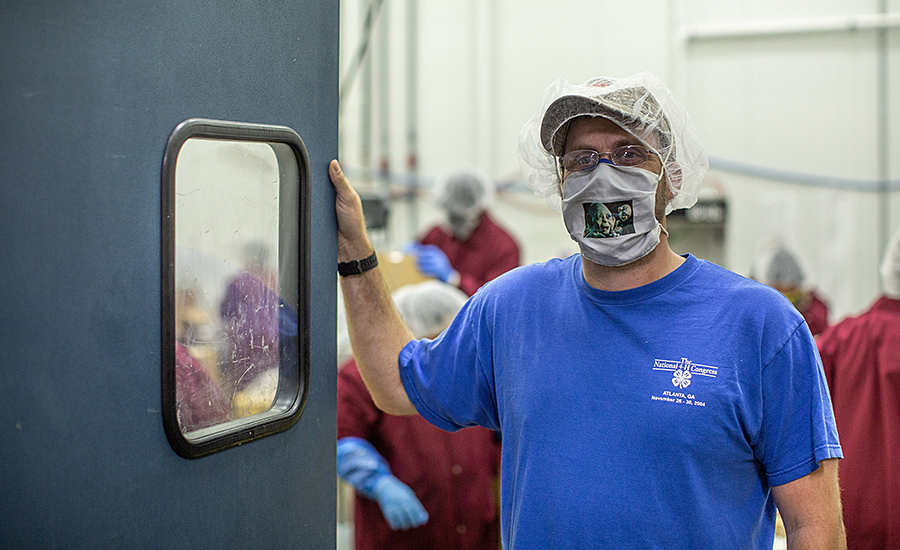
In short, we couldn’t have just one Independent Processor of the Year, since so many companies have performed splendidly during this difficult situation. Instead, we are honoring all the companies in this small community by calling this the Year of the Independent Processor. There are hundreds of small processors across the country who deserve to be commended for their hard work. We want you to know that it has not gone unnoticed.
For more stories about the work of small processors, read the “Tales from the Front Lines” series at www.provisioneronline.com. If you would like to speak with Independent Processor editor Sam Gazdziak about your work this past year, contact him at gazdziaks@bnpmedia.com.
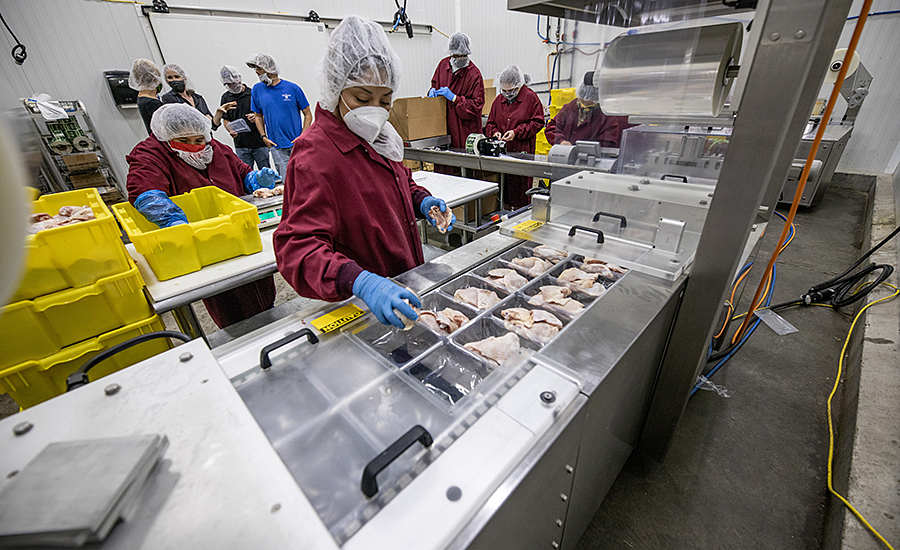
“Busy while being lit on fire”
Small processors know that being busy is good. Being really busy is tiring but can be great. But being really busy, day after day after day? That was business during the early days of the pandemic. Large retailers were running out of key products, and consumers turned to small meat markets to get their ground beef and other necessities.
“To be honest, at first it was great. It was like the busiest day leading up to Christmas times three, but then it didn’t end,” said Tom Eickman, owner of Eickman’s Processing in Seward, Ill. “It was starting to become something like “Groundhog Day.” Every day it started again, hitting the cases, trying to keep products in the cases, sanitizing the store, trying to find products to supplement what we can kill.”
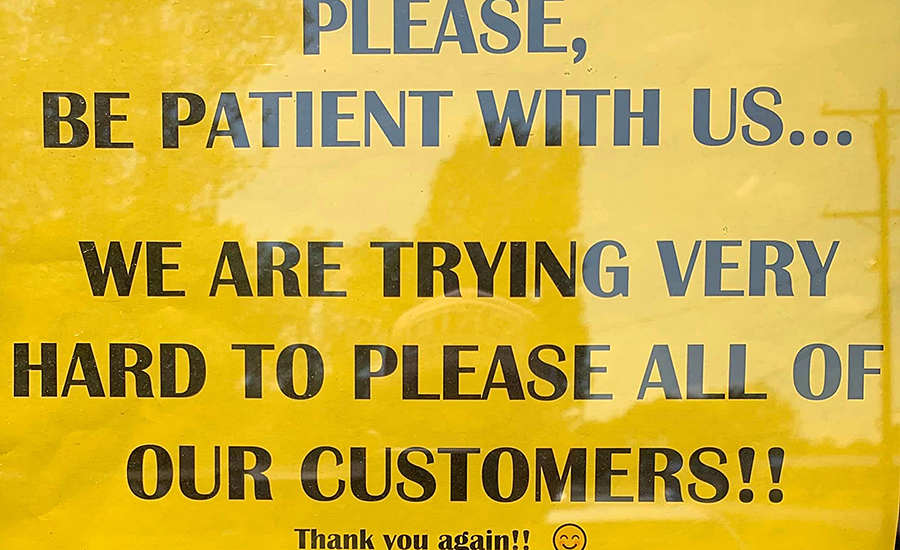
“We’ve definitely been busy, and it’s not your run-of-the-mill busy. It’s busy while being lit on fire!” said Jasmine Sutherland, president of Texas Food Solutions, a high-pressure processing toller in Katy, Texas. “Not only do we have more product coming in, but we also have to turn around product faster because the demand is so high, because of (consumer) hoarding and the misnomer of emergency purchases.”
The panic buying of meat products ebbed and flowed as the news changed. When large were disrupted by large-scale COVID outbreaks, production at those plants slowed or stopped entirely. On top of that, restaurants nationwide were shut down or operating with limited take-out menus. Consumers needed protein, and the small processors were ready to deliver it.
Dana Ehrlich, founder/CEO of Verde Farms, said that demand for the company’s grass-fed beef doubled over the course of the year. The company produces some of its product at its Mullica Hill, N.J., facility and utilizes co-packers for other products.
“We’ve had really high fulfillment rates even with that doubling of demand. We’ve had one of our co-packers shut down for three weeks plus have issues going in and out of the shutdown. We had a co-packer probably running at 50% capacity. We’ve had cold storages shut down. There’s been huge disruptions in the supply chain,” he said. “But we’ve worked really closely with our customers, both the category managers and buyers, with constant communication to maintain the best and most efficient operation we can and to maintain the highest stock rates.”
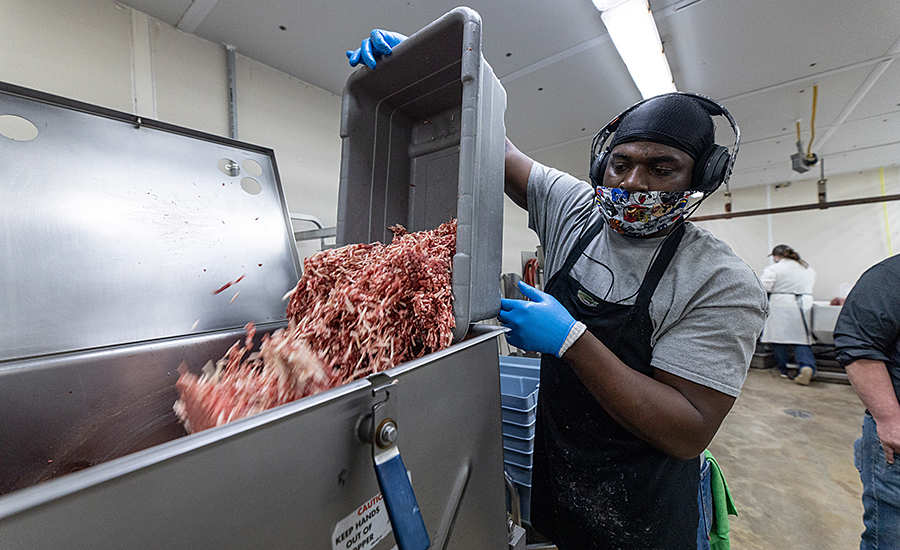
For companies that harvest livestock, the demand for their services skyrocketed, as farmers looked for alternatives to the idled large packing plants.
In a normal business environment, Micro Summit Processors’ slaughter services are booked out about three weeks in advance. That suits owner Patrick Robinette just fine. He founded the USDA-inspected operation, located in Micro, N.C., to process beef for his own business, Harris-Robinette Beef, as well as for local producers. How did the pandemic affect his operations? They’re booked through the year.
“We are literally booking for animals who aren’t alive yet, in some cases,” Robinette said.
Up for the challenge
Many small processors have a retail component to their business. Not only did they have to take measures to keep their employees safe, but they also had to do the same with their consumers. Practically overnight, they implemented new guidelines for their stores, limiting the number of shoppers at once and installing plastic barriers at the checkout area to promote social distancing.
“We only allow eight individuals at a time in our retail store,” said Rick Reams, owner of RJ’s Meats, Hudson, Wis. “We have also shortened the hours we are open by 4 hours a day and closing on Sundays. This allows us extra time to sanitize the retail area and keep it fully stocked. It also allows employees extra rest time.”
Reams also decided to implement online ordering for RJ’s Meats — a project he had thought about for years.
Ralph’s Packing, in Perkins, Okla., made the difficult decision to close down its retail store for several weeks at the onset of the pandemic. The company installed a curbside pickup system, where workers could pick orders placed over the phone and deliver them to the shoppers’ car.
“Most of our new customers are so used to purchasing their meat in a grocery store setting, they’re not aware of the variety and customization a butcher shop can give them with meat products. Almost all of them have said they’ll definitely be back when things return to normal, so they can actually come in to our store to see all of the different products we make,” said Erica Hering of Ralph’s.
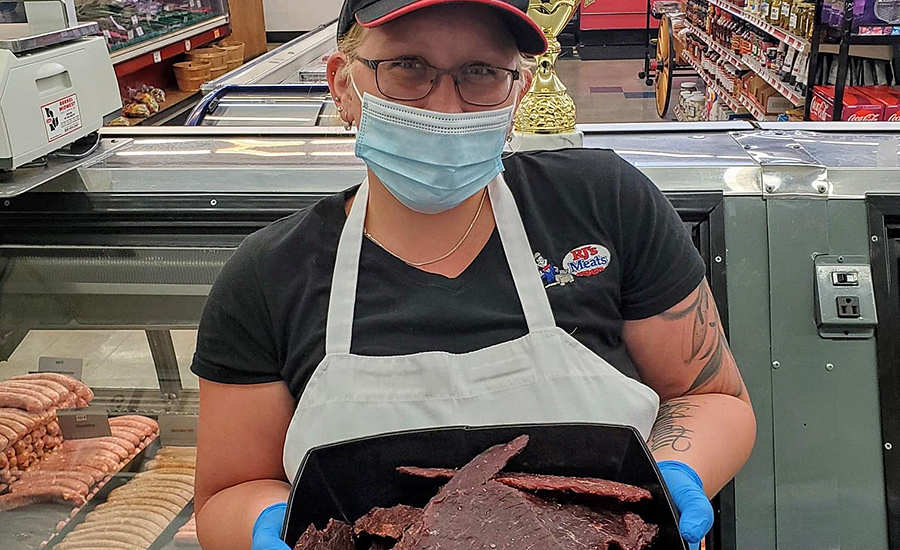
Even though the changes were made on the fly, some of them have been so successful that they may become permanent. Ben Buchanan, the slaughter manager at Cheplic Packing in Finleyville, Pa., said that the popular meat market reinvented its customer service for the better. On a regular weekend, customers could wait in line for an hour or more for the company’s fresh cuts and cured specialties like bacon and sausages. Cheplic’s now has a registration system, where customers can get their name on a waiting list. They are texted in advance and can come into the store to waited on.
“Because they’ve gone through registration, we know them on a first-name basis,” Buchanan explained. “It’s a lot more personal, and it’s not like they are under pressure to hurry up and get done, because you’ve got 50 other people breathing down your neck who want to be next. It’s you and them in the store, and that’s all. I don’t think we’re going to go back to our old ways with some of this, because it’s way more efficient and less stress on customers and employees.”
The ability to pivot to new norms so quickly is a testament to the employees of these small processors.
“For our production team, we will look back at this challenging time where we have been busier than ever due to increased demand (regularly making double our typical volume) and our ability to do so safely for our team. We were abundantly careful and took extra precautions from the very beginning, which helped keep our entire team safe,” said Stacie Waters of Bilinski Sausage, Cohoes, N.Y.
Bilinski Sausage produces a variety of gourmet chicken sausages for retailers across the country. Waters noted that the company has always had strict safety protocols in place, and the pandemic has helped food manufacturers (big and small) see what additional safety measures can be put in place.
“For us, we have created a culture that encourages people to stay home if you are sick,” she added. “We have amazing, committed team members who want to come in to work and, being a smaller company, we have the flexibility to allow employees to take the sick time they need to keep themselves and all other team members safe and healthy.”
That culture change has been prevalent among small processors. Tom Eickman says that, over the past few years, he has referred to his employees as a family to reinforce the notion that they are valuable and not just the hired help. The Coronavirus has only deepened that resolve.
“The mentality that ‘if you're sick, work through it’ has been removed. If you have any issue that you don’t feel well, you stay home,” he said.
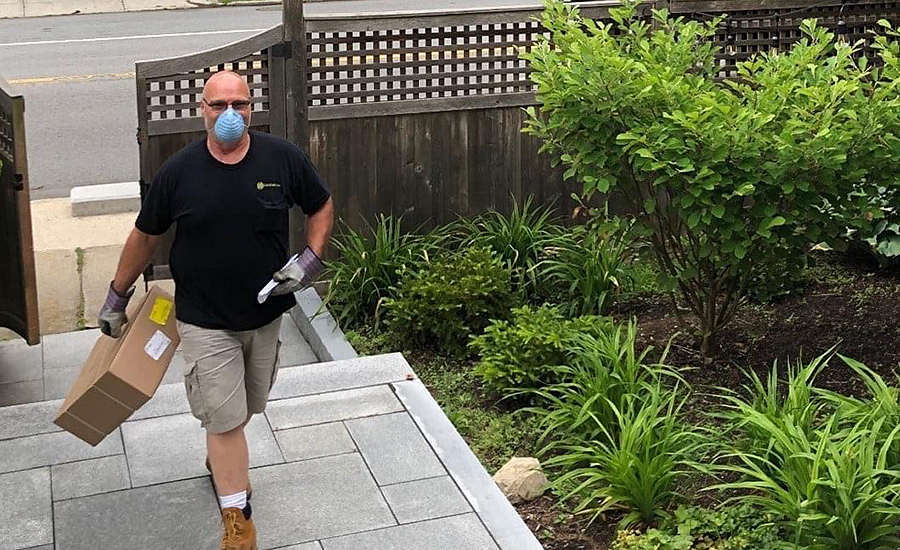
Companies that developed alternate sales channels and customer bases may likely keep them.
Changes for the better
The meat industry has been caught up in the coverage surrounding the Coronavirus. Many large plants across the country were forced to shut down for periods of time due to outbreaks. President Trump issued an executive order requiring meat plants to remain open after John Tyson of Tyson Foods wrote an open letter stating that the supply chain is broken. The letter was not universally accepted.
“John Tyson not only made livestock a commodity, but now he’s turned his employees into a commodity,” said Robinette. “Since the day we opened, we have told our employees that you’re somebody, you’re part of a family. That’s very disturbing, as somebody in the meat industry and agriculture, that we’ve reached the point that everybody is expendable. I can tell you that everybody that is in my plant is not expendable.”
While it seems odd to say that anything beneficial has come out of this pandemic, the fact is that new relationships have been forged and new markets have been opened. The companies that had to launch a direct-to-consumer model to make up for the loss of foodservice business say that they are going to keep that portion of the business. Farmers that found new venues for their fresh meat are likely to continue those ventures.
“Right now we process for about 900 farmers, and I don’t know a single person who at this point has been affected negatively. I think most everyone has seen some type of increase,” said Cypress Valley Meats owner Andy Shaw. The Central Arkansas custom processor has several facilities that process everything from federally inspected poultry to game to custom exempt livestock processing.
“I’ve seen people change the way they’ll buy groceries. I believe there will be a new normal where people see the benefits of a decentralized food system. This has advanced the niche food industry by 10 years,” he added. NP
Looking for a reprint of this article?
From high-res PDFs to custom plaques, order your copy today!