Hot and cold meat fillings shape distinct sandwich occasions
Temperature shapes how consumers experience meat-filled sandwiches.
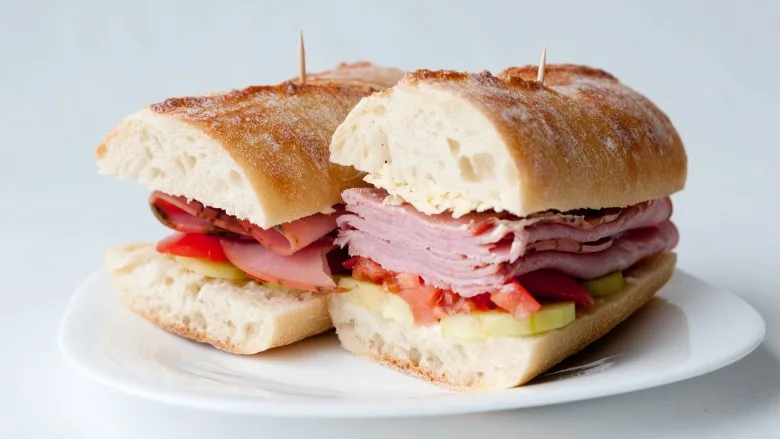
A new article from media platform HelloNation examined how temperature, texture, seasonality and perceived satiety influence consumers’ hot and cold sandwich choices.
The article explained that cold subs are built around fresh, layered ingredients served without heating. Common options include sliced deli meats such as ham, turkey, roast beef and salami, paired with cheese and toppings including lettuce, tomato, onion and banana peppers. According to the article, the appeal of a cold sub lies in its brightness, with each ingredient retaining its individual flavor and texture.
Hot subs offer a different eating experience. Heating changes the flavor and texture of the sandwich as cheese melts into the meat and the warmed bread absorbs flavors from the filling. Common hot sub options include cheesesteaks, meatball subs, chicken Parmesan sandwiches and hot roast beef, each relying on heat to create a richer overall profile.
Joe Robby, the sub shop expert featured in the article, identified texture as one of the clearest differences between the two styles. Cold subs create contrast between soft bread and crisp vegetables, while hot subs combine melted cheese, warm meat and softened bread for a richer, more cohesive bite. The article notes that consumers’ preferences between the two styles often depend on the type of texture they prefer.
Perceived fullness can also influence sandwich selection. According to the article, the warmth and fat content of a hot sub may make it feel more satisfying, even when its portion size is similar to that of a cold sub. Cold subs can contain comparable amounts of meat and other ingredients, but their fresher, lighter eating experience may make them seem less substantial.
Weather and seasonality may further shape demand. A cold sub topped with fresh vegetables and dressing may appeal more during warmer weather, while hot options such as meatball subs and cheesesteaks can offer a more comforting choice during colder months.
Dietary priorities also factor into the sandwich decision. The article suggests that cold subs may be easier to customize with additional vegetables or reduced cheese, while reducing the richer components of a hot sub could alter the characteristics that define the sandwich.
Source: HelloNation
Looking for a reprint of this article?
From high-res PDFs to custom plaques, order your copy today!


.webp?height=200&t=1742564842&width=200 "USDA's FSIS logo")


