The initiative by Bloomberg and the UN is aimed at highlighting groundbreaking contributions by leading companies in achieving ambitious UN climate objectives.
A recent survey conducted by Accenture found that 83 percent of respondents believe it’s important or extremely important for companies to design products that are meant to be reused or recycled.
Many an athlete has been saddled with the worrisome praise of having potential. It’s as though the experts are hedging their bets just in case there’s a star in the making, but they’re also telling us expectations aren’t that high.
For two decades, sustainable packaging has been on a roller coaster ride characterized by some electrifying, albeit brief, highs generally followed by lengthy and sobering lows.
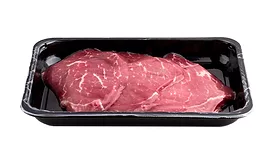
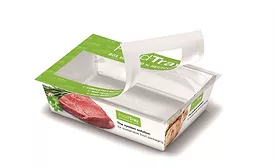
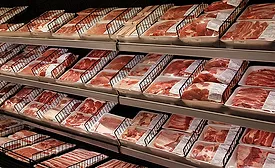
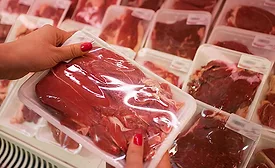
Tray packaging has been used for meat, poultry and seafood products for decades. Yet, even though it is well-established, it doesn’t necessarily mean it’s the status quo for the packaging type or style. New designs and technology are improving performance and eliminating the need for components such as absorbent pads, thereby streamlining the packaging operation and eliminating the cost of the pad and the risk of the product picking up fibers from the pads.
Part of sustainability of food packaging is lightweight, more sustainable materials. The other part is keeping food fresh and protected throughout the supply chain, reducing food waste.
"More sustainable” describes today’s meat, poultry and seafood packaging. This means today’s packaging is increasingly likely to contain recycled or renewable content and be recyclable, reusable and/or degradable.