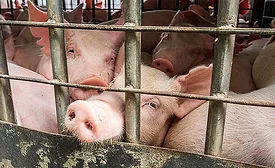
Items Tagged with 'pigs'
ARTICLES

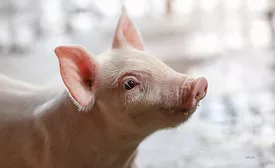

United States hog inventory up slightly
USDA's NASS publishes the Quarterly Hogs and Pigs report.
Read More

New app that predicts heat stress in pigs available for producers
Heat stress in pigs costs the U.S. swine industry an estimated $481 million in revenue losses annually.
Read More
U.S. hog inventory up slightly
Iowa hog producers accounted for the largest inventory among the states at 23.4 million head.
Read More
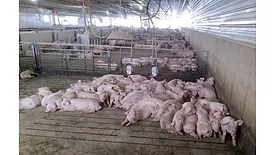
Case Study: HPGen improves gain and feed efficiency at pig farm
An HPGen A2000 system was installed at Pete Matthews' farm, and its efficacy for livestock drinking water treatment quickly became apparent.
Read More

United States hog inventory down 2%
NASS surveyed roughly 6,300 operators across the nation during the first half of December.
Read More