Provisioner logo
Provisioner logo
search
cart
facebook twitter linkedin youtube
  • Sign In
  • Create Account
  • Sign Out
  • My Account
Provisioner logo
Provisioner logo
  • NEWS
    • Industry News
    • Supplier News
    • Case Studies
    • Recalls
    • Regulations
    • New Consumer Products
  • EXCLUSIVES
    • Newsletters
    • Source Book
    • Sponsored Insights
    • Events
    • Webinars
    • Classifieds
    • White Papers
    • Provisioner Store
    • Market Research
  • MEAT PROCESSING
    • SUSTAINABILITY
    • Processing
    • Packaging
    • Ingredients
    • Formulation
    • Food Safety
    • Special Reports
    • Commentary
  • PROFILES
    • Processor Profiles
    • Processor of the Year
    • Top 100 Processors
  • MEDIA
    • Videos
    • Podcasts
  • DIRECTORY
  • MIHOF
  • INDEPENDENT PROCESSOR
  • EMAG
    • eMagazine
    • ARCHIVE ISSUES
    • Contact
    • Advertise
  • JOIN!
Food Safety

Supply Chain

How to mitigate temperature-controlled shipping risks
By Mark Petersen
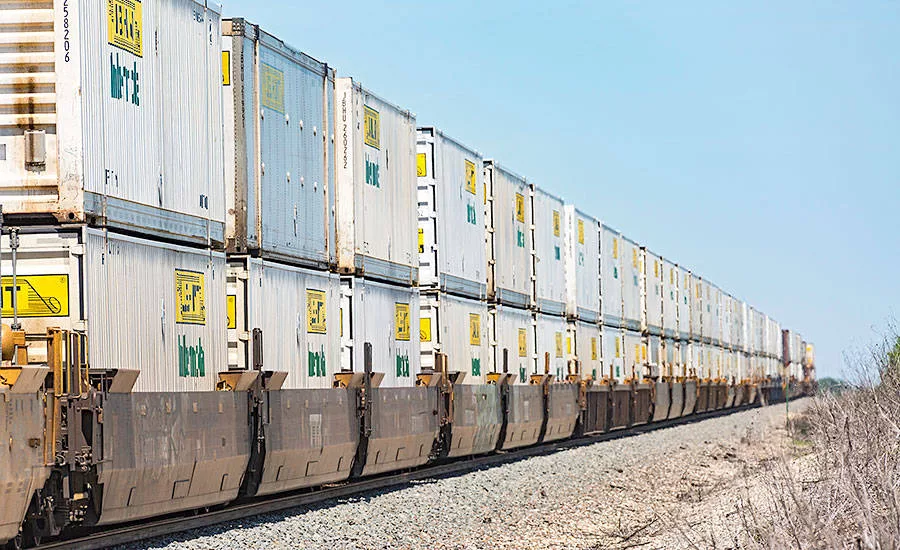
Cold Chain Shipping Containers

All parties involved in moving temperature-sensitive product—shippers, carriers, vendors, providers, etc.—need to understand the importance of maintaining a cold chain.

July 4, 2017

Produce, pharmaceuticals, floral, frozen foods and other temperature-sensitive freight come with their own set of supply chain risks. Shippers can help mitigate these risks and better control final outcomes by tailoring supply chain best practices to meet the complexities of sensitive cold chains.

1. Apply the right expertise.

Mitigating risks to a cold chain is much larger than a shipper implementing internal processes. All parties involved in moving temperature-sensitive product—shippers, carriers, vendors, providers, etc.—need to understand the importance of maintaining a cold chain.

No matter who the qualified expert is, they should understand the business and applicable regulations to solve any potential problems. Look for specialists who recognize ways to balance unattractive load qualities (e.g., multi-pick, multi-stop loads) with more strategic initiatives (e.g., backhaul optimization), so both carriers and shippers benefit.

2. Determine capacity requirements.

Compare the pros, cons and price of each transportation service before ruling any out, as each come with their own unique set of risks. Just because it’s more expensive doesn’t mean you should abandon it immediately. For example, some commodities—especially those with higher price points—can benefit from a more expensive, yet faster shipping option to reduce the risk of spoilage during transit. Each transportation mode—road, ocean, air and rail—come with a unique set of considerations:

What defines the best freight service option can vary by load, but strategic shippers think beyond their own needs to include the needs of the carrier as well. If a shipper transports full truckloads of cheese to local retailers, they may be able to arrange for the same carrier to move empty cartons on the backhaul. The shipper not only solves a reverse logistics problem, but may also reduce transportation costs now that the carrier has eliminated otherwise empty miles.

3. Set clear expectations early in the process.

Advance planning can help avoid risks later on. When everyone understands their role—as well as the responsibilities of those around them—complications can be resolved as they arise. Bring every detail to the table—from acceptable temperature ranges and continuous temperature vs. cycle settings to proper seals, contingency plans, equipment expectations, along with processes for returns and rejections. Even before product is loaded, every leg of the journey must boast clear expectations to mitigate the added risk that comes with temperature-sensitive products.

4. Pay particular attention when loading and unloading.

Even if your specific commodities don’t fall under regulatory requirements, having a system of checks and balances in place during loading/unloading can minimize problems. Throughout the process, be sure to inspect product temperature and condition of equipment prior to loading and proper container air flow while loading.

Some new technology goes beyond providing a maintained temperature in the truck and warehouse, but can also bring visibility to the temperature of the product, the loading dock, even outdoor weather conditions that can affect products during the time it takes to load and unload items.

5. Establish standard operating procedures.

Establishing the same standards across a supply chain can simplify the process, narrow the margin for error and promote consistency. When it comes to maintaining a cold chain, standard operating procedures (SOPs) are even more important to mitigate risk. Be sure to encompass topics like proper packaging techniques, the process for late pickups or deliveries and handling equipment problems. SOPs can be as simple or detailed as necessary, but should take the sanitary transportation ruling into account (if applicable) and include who is responsible, what needs to happen and how checks and balances occur.

6. Achieving long-term temperature-controlled success.

The risks for temperature-sensitive supply chains are substantially higher than dry van products. Collaboration is key to overcoming many of these risks. Establishing solid processes that all parties understand, believe in and adhere to is the first step to overcoming risks. NP

Editor’s Note: This story originally appeared in Refrigerated & Frozen Food magazine, a sister publication in the BNP Media portfolio. For more content like this, visit www.refrigeratedfrozenfood.com.

KEYWORDS: logistics supply chain strategies temperature control

Share This Story

Looking for a reprint of this article?
From high-res PDFs to custom plaques, order your copy today!


Mark Petersen is the director of global sourcing for C.H. Robinson, Eden Prairie, Minn.

Recommended Content

JOIN TODAY
to unlock your recommendations.

Already have an account? Sign In

  • Double Charburger

    Premiumization drives burger category

    Shoppers seek out premium meat offerings to fulfill...
    Special Reports
    By: Sammy Bredar
  • JJS Adult Pekin duck

    Poultry Report 2025: Convenience propels poultry at retail

    Despite continued economic pressures, the poultry...
    Chicken
    By: Sammy Bredar
You must login or register in order to post a comment.

Report Abusive Comment

Manage My Account
  • eMagazine Subscriptions
  • Manage My Preferences
  • Newsletters
  • Online Registration
  • Subscription Customer Service
  • Connect with The National Provisioner

More Videos

Sponsored Content

Sponsored Content is a special paid section where industry companies provide high quality, objective, non-commercial content around topics of interest to the The National Provisioner audience. All Sponsored Content is supplied by the advertising company and any opinions expressed in this article are those of the author and not necessarily reflect the views of The National Provisioner or its parent company, BNP Media. Interested in participating in our Sponsored Content section? Contact your local rep!

close
  • A smiling man carrying a grocery basket is reaching down to pick up a package of meat in a grocery store.
    Sponsored byPIC

    The Green Light: New Data Shows 12-to-1 Support for Pork from PRRS-Resistant Pigs

  • Close up of a grocery cart full of groceries, a cropped image of a couple pushing the cart and a blurred background of the vegetable aisle.
    Sponsored byPIC

    New Market Research Finds Consumers in Eight Key Pork Markets Are Likely to Purchase Pork from Gene-Edited Pigs

  • Close up of a young pig with a blurred background.
    Sponsored byPIC

    New Research Forecasts Significant Economic and Market Impacts with PRRS-Resistant Pig Adoption

Popular Stories

Spam Dog

Hormel rolls out Spam hot dog for foodservice applications

Various new Primal snack sticks on a table amongst pencils, apples, a pair of glasses, lunch bags and a water bottle.

Protein demand drives snacking occasions

Several cuts of beef, pork and chicken on a wooden board, cast iron pan and salt.

Validated thermal lethality data and a new tool for ensuring safety of RTE meats

2026 Top 100 Meat & Poultry Processors Report

Events

June 11, 2026

From Fresh to Frozen in 3 Minutes Flat: Unlocking the Secrets to Temperature Control

Join Tony Vacaro, Foods Industry Manager, and Emile Klein, Foods Market Strategy Manager at Air Products and Chemicals, Inc. , as they tackle key questions surrounding heat removal in food processing. 

January 1, 2030

Webinar Sponsorship Information

For webinar sponsorship information, visit www.bnpevents.com/webinars or email webinars@bnpmedia.com.

View All Submit An Event

Products

Food Crime: An Introduction to Deviance in the Food Industry

Food Crime: An Introduction to Deviance in the Food Industry

See More Products
From Fresh to Frozen in 3 Minutes Flat: Unlocking the Secrets to Temperature Control Webinar Sponsored by Air Products

Related Articles

  • From the editor's desk Video

    Q&A: How to mitigate damage done by product recalls

    See More
  • USDA logo

    USDA continues efforts to mitigate HPAI for 2023 season

    See More
  • Butcher cutting meat on a counter.

    Processors pursue efficiency and new markets to mitigate rising costs

    See More

Related Products

See More Products
  • food-crime.jpg

    Food Crime: An Introduction to Deviance in the Food Industry

  • GlobalData_logo_blue_header.png

    Frozen Meat (Meat) Market in the United States of America - Outlook to 2023...

See More Products

Events

View AllSubmit An Event
  • May 7, 2026

    Stop Plant-Floor Margin Leakage: How to Quantify and Eliminate Hidden Costs

    On-Demand WorkForge Advisor and veteran food production executive Tim Cook (Marlen International, LINXIS Group, Shick Esteve, AMF Bakery Systems) will share findings from The Hidden Costs of Inconsistent Employee Development in Food Manufacturing - research that outlines ten common, measurable, and fixable cost drivers that quietly hit your P&L.
  • June 11, 2026

    From Fresh to Frozen in 3 Minutes Flat: Unlocking the Secrets to Temperature Control

    Join Tony Vacaro, Foods Industry Manager, and Emile Klein, Foods Market Strategy Manager at Air Products and Chemicals, Inc. , as they tackle key questions surrounding heat removal in food processing. 
View AllSubmit An Event
×

Stay ahead of the curve. Unlock a dose of cutting-edge insights.

Receive our premium content directly to your inbox.

SIGN-UP TODAY
  • RESOURCES
    • Advertise
    • Contact Us
    • Directories
    • Store
    • Want More
  • SIGN UP TODAY
    • Create Account
    • eMagazine
    • Newsletter
    • Customer Service
    • Manage Preferences
  • SERVICES
    • Marketing Services
    • Reprints
    • Market Research
    • List Rental
    • Survey/Respondent Access
  • STAY CONNECTED
    • LinkedIn
    • Facebook
    • YouTube
    • X (Twitter)
  • PRIVACY
    • PRIVACY POLICY
    • TERMS & CONDITIONS
    • DO NOT SELL MY PERSONAL INFORMATION
    • PRIVACY REQUEST
    • ACCESSIBILITY

Copyright ©2026. All Rights Reserved BNP Media, Inc. and BNP Media II, LLC.

Design, CMS, Hosting & Web Development :: ePublishing