Provisioner logo
Provisioner logo
search
cart
facebook twitter linkedin youtube
  • Sign In
  • Create Account
  • Sign Out
  • My Account
Provisioner logo
Provisioner logo
  • NEWS
    • Industry News
    • Supplier News
    • Case Studies
    • Recalls
    • Regulations
    • New Consumer Products
  • EXCLUSIVES
    • Newsletters
    • Source Book
    • Sponsored Insights
    • Events
    • Webinars
    • Classifieds
    • White Papers
    • Provisioner Store
    • Market Research
  • MEAT PROCESSING
    • SUSTAINABILITY
    • Processing
    • Packaging
    • Ingredients
    • Formulation
    • Food Safety
    • Special Reports
    • Commentary
  • PROFILES
    • Processor Profiles
    • Processor of the Year
    • Top 100 Processors
  • MEDIA
    • Videos
    • Podcasts
  • DIRECTORY
  • MIHOF
  • INDEPENDENT PROCESSOR
  • EMAG
    • eMagazine
    • ARCHIVE ISSUES
    • Contact
    • Advertise
  • JOIN!
BeefExpert Commentary

Meat Science Review

Investigating antibiotic resistance in the beef supply chain
By Maggie Weinroth, Paul Morley, Keith E. Belk
Antibiotics
February 13, 2019

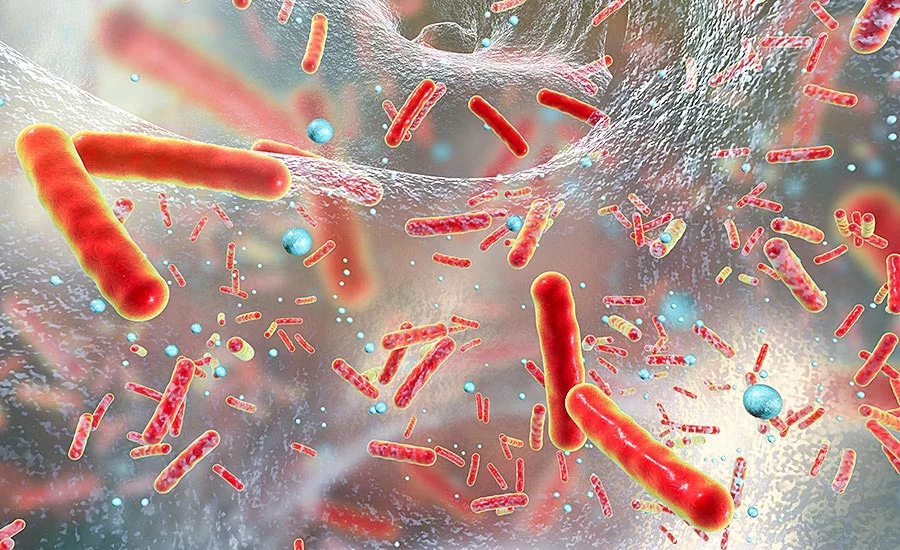
The term antibiotic resistance (AMR) can be used to describe bacteria that are not susceptible to one or more antibiotics. Such bacteria are sometimes referred to as “super bugs.” Resistance can occur as a result of bacteria’s natural defenses or can increase temporarily as a result of antibiotic usage. The concern, as it relates to beef production, is that antibiotics used in the production of beef (such as tylosin or chlortetracycline) could increase the risk of AMR infection in humans through the meat supply. While there is growing concern regarding the incidence and dissemination of AMR, there is no evidence demonstrating a direct link between livestock practices and increased public health risk. 

There are many ways to study AMR genes in a bacterial community. The most traditional scientific approach is to grow specific organisms, such as E. coli, in a laboratory setting and observe whether the organism grows in the presence of various concentrations of antibiotics. Another approach to understanding AMR genes is to perform quantitative PCR using specific primers for the gene of interest. While both of these approaches have been successfully used by scientists for many years, a newer approach known as “shotgun metagenomics” allows for the study of all AMR genes within a community across all organisms without specific primers. Shotgun metagenomics allows for the survey of all genes within a bacterial environment and allows for a more complete picture of all resistance genes present. With that in mind, we chose this particular approach.

To better understand AMR at different stages of beef production, we sampled one group of cattle, the meat derived from these cattle and nearby environments (all within 50 miles of each other). We sampled feces from the feedlot, trimmings from the processing plant, soil that composted beef feces had been applied to, sludge from a nearby human wastewater facility and soil that treated human wastewater had been applied to. After collecting these samples, we extracted DNA and performed a targeted shotgun metagenomic analysis that was specifically aimed at AMR genes. 

Antibiotic resistance genes were identified in all production segments (from feedlot through slaughter) and in the surrounding environments. On average, a very low number of different genes (27) were identified on the meat in contrast to the more than 400 found in beef feces and more than 600 found in human wastewater. It is not unusual to find resistance genes in all of these environments as AMR genes are naturally occurring. Nonetheless, the number of different AMR genes found on meat was much lower than all other stages of production. Of the resistance genes identified, different stages of production had different dominant genes. Instead of looking at the genes at an individual level, we grouped them into different classes of antibiotics representing similarities across gene structure and function.

The AMR genes found in soil from land following the application of composted beef feces and human wastewater were extremely similar in AMR gene makeup (both composted samples were very different than the un-composted feces and human wastewater). This suggested that the native soil present at these sites is the main contributor to what resistance genes are present, more so than the introduction of compost. Tetracycline, a class of resistance typically found in feedlots, was the main class of resistance found in cattle feces. The World Health Organization (WHO) considers tetracycline to be a highly important antimicrobial, being part of the second tier of medically important antibiotics. The meat resistome was composed of beta-lactams and elfamycin. A portion of these classes fall into the critically important antimicrobials, meaning they are the WHO’s highest level of concern. 

We also used a tool that that enabled us to look at patterns in the data to determine whether the resistance genes on meat were from other sources we had collected, such as feces or soil. This tool compares the AMR gene composition found in various environments and determines the probability the genes originated from one of the sampled sources. Of the samples collected, only 6 percent of the resistance genes present on meat were attributed to fecal contamination. Conversely, soil treated with composted feces from both the feedlot and human wastewater made up around a third of the contamination. More than half of the source contamination was not captured in this current dataset, meaning we are not sure where half of the genes residing on beef trimmings originated.

While this survey provides an introductory characterization of which AMR genes are present through a beef production system, there are still questions that remain. One example: If fecal contamination is not the main driver of resistance genes found on meat, what is? More thorough sampling could be conducted closer to the end product (such as holding pens and workers’ shoes in the plant) to gain a better understanding of what contributes to the presence of these genes. Additionally, while these data allow for a more comprehensive characterization of AMR status in beef production, as well as on the trims itself, they are not allowing us to quantify the risk associated with consuming meat. While we know AMR genes can be found on meat products, these data give no indication on whether the presence is actually a public health risk.

Finally, while antimicrobial usage in livestock is often being positioned as a contributor to human AMR bacterial infection, vast data show this is not the only possible avenue that those genes can be introduced to humans. Other concerns include natural occurrence of AMR genes in the environment, overuse of antibiotics in human health care, and other reservoirs such as wild and domestic animals. As we continue to understand where human AMR bacterial infections originate, we need to create a comprehensive program supported by all of the food supply chain stakeholders to alleviate AMR prevalence in the food supply. NP

KEYWORDS: antibiotic meat science review

Share This Story

Looking for a reprint of this article?
From high-res PDFs to custom plaques, order your copy today!


Maggie Weinroth is a student at the Colorado State University and placed first in the Ph.D. Research Competition at the American Meat Science Association’s 71st RMC in Kansas City, Missouri, June 2018.
Keith E. Belk, Center for Meat Safety and Quality, Colorado State University

Recommended Content

JOIN TODAY
to unlock your recommendations.

Already have an account? Sign In

  • Double Charburger

    Premiumization drives burger category

    Shoppers seek out premium meat offerings to fulfill...
    Meat and Poultry Industry News
    By: Sammy Bredar
  • JJS Adult Pekin duck

    Poultry Report 2025: Convenience propels poultry at retail

    Despite continued economic pressures, the poultry...
    Turkey
    By: Sammy Bredar
You must login or register in order to post a comment.

Report Abusive Comment

Manage My Account
  • eMagazine Subscriptions
  • Manage My Preferences
  • Newsletters
  • Online Registration
  • Subscription Customer Service
  • Connect with The National Provisioner

More Videos

Sponsored Content

Sponsored Content is a special paid section where industry companies provide high quality, objective, non-commercial content around topics of interest to the The National Provisioner audience. All Sponsored Content is supplied by the advertising company and any opinions expressed in this article are those of the author and not necessarily reflect the views of The National Provisioner or its parent company, BNP Media. Interested in participating in our Sponsored Content section? Contact your local rep!

close
  • A smiling man carrying a grocery basket is reaching down to pick up a package of meat in a grocery store.
    Sponsored byPIC

    The Green Light: New Data Shows 12-to-1 Support for Pork from PRRS-Resistant Pigs

  • Close up of a grocery cart full of groceries, a cropped image of a couple pushing the cart and a blurred background of the vegetable aisle.
    Sponsored byPIC

    New Market Research Finds Consumers in Eight Key Pork Markets Are Likely to Purchase Pork from Gene-Edited Pigs

  • Close up of a young pig with a blurred background.
    Sponsored byPIC

    New Research Forecasts Significant Economic and Market Impacts with PRRS-Resistant Pig Adoption

Popular Stories

A cow eating grass and a chicken standing next to it in a field.

The Top 100 Meat & Poultry Processors of 2026

Spam Dog

Hormel rolls out Spam hot dog for foodservice applications

Colorado Premium logo

Colorado Premium acquires Old Hickory Smokehouse

2026 Top 100 Meat & Poultry Processors Report

Events

June 11, 2026

From Fresh to Frozen in 3 Minutes Flat: Unlocking the Secrets to Temperature Control

Join Tony Vacaro, Foods Industry Manager, and Emile Klein, Foods Market Strategy Manager at Air Products and Chemicals, Inc. , as they tackle key questions surrounding heat removal in food processing. 

January 1, 2030

Webinar Sponsorship Information

For webinar sponsorship information, visit www.bnpevents.com/webinars or email webinars@bnpmedia.com.

View All Submit An Event

Products

Food Crime: An Introduction to Deviance in the Food Industry

Food Crime: An Introduction to Deviance in the Food Industry

See More Products
From Fresh to Frozen in 3 Minutes Flat: Unlocking the Secrets to Temperature Control Webinar Sponsored by Air Products

Related Articles

  • Cow

    Impact of beef and dairy crossbred cattle on the beef supply chain

    See More
  • School nutrition professionals attending day one of the California Beef Council’s Ranch-to-Tray tour visited Ardis Cattle Co., which sells beef directly to the Oakdale Joint Unified School District.

    California Ranch-to-Tray tours connect school nutrition professionals to the beef supply chain

    See More
  • New research examining link between antibiotic use in farm animals and antibiotic resistance in humans leads to more questions

    See More

Related Products

See More Products
  • food safety.jpg

    Food Safety in the Seafood Industry: A Practical Guide for ISO 22000 and FSSC 22000 Implementation

See More Products

Related Directories

  • PMMI - The Assn. for Packaging and Processing Technologies

    PMMI is a global resource for the packaging and processing industry, uniting the industry across the manufacturing supply chain. Our members promote business growth in a variety of industries by developing innovative manufacturing solutions to meet evolving consumer demands, today and in the future. PMMI membership represents more than 1,000 manufacturers and suppliers of equipment, components and materials as well as providers of related equipment and services to the packaging and processing industry.
×

Stay ahead of the curve. Unlock a dose of cutting-edge insights.

Receive our premium content directly to your inbox.

SIGN-UP TODAY
  • RESOURCES
    • Advertise
    • Contact Us
    • Directories
    • Store
    • Want More
  • SIGN UP TODAY
    • Create Account
    • eMagazine
    • Newsletter
    • Customer Service
    • Manage Preferences
  • SERVICES
    • Marketing Services
    • Reprints
    • Market Research
    • List Rental
    • Survey/Respondent Access
  • STAY CONNECTED
    • LinkedIn
    • Facebook
    • YouTube
    • X (Twitter)
  • PRIVACY
    • PRIVACY POLICY
    • TERMS & CONDITIONS
    • DO NOT SELL MY PERSONAL INFORMATION
    • PRIVACY REQUEST
    • ACCESSIBILITY

Copyright ©2026. All Rights Reserved BNP Media, Inc. and BNP Media II, LLC.

Design, CMS, Hosting & Web Development :: ePublishing