Improving meat plant efficiency with real-time weighing and data integration
Real-time weighing and data integration systems are essential tools for plants seeking to improve output without sacrificing product quality or safety.
In the competitive world of meat and poultry processing, every pound counts—and so does every second. Efficiency is no longer just about moving faster. It’s about gaining visibility into processes, minimizing waste and adapting on the fly.
To that end, real-time weighing and data integration systems have become essential tools for plants seeking to improve output without sacrificing product quality or safety.
Why real-time weighing matters
Traditional weighing methods often rely on periodic checks that offer a limited snapshot of what’s happening on the floor. Real-time weighing changes the game by giving operators immediate feedback on yield, throughput and other key performance indicators.
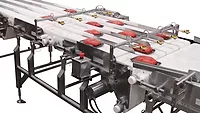
Whether it’s through inline conveyor scales, bench scales at workstation points, or heavy-duty scales for incoming and outgoing shipments, real-time weighing allows managers to spot issues as they emerge rather than after the damage is done.
This is especially important when tracking product loss. A small shift in trimming technique or machine calibration can lead to major yield losses if not caught quickly. By integrating scales into the workflow and linking them to a centralized data system, operators gain the ability to pinpoint where inefficiencies are occurring, down to the batch, time of day or even the operator.
Turning data into action
Of course, collecting data is only half the battle. The real impact comes when weighing data is connected to operational systems, such as ERP platforms, QA dashboards or MES software. When these platforms communicate with each other, the plant becomes much more agile.
Let’s say a packaging line starts showing signs of underweight product. With real-time feedback, the system can send an alert before hundreds of packages are affected. Or, if yield is slipping on a certain cut, supervisors can review both the weight data and video footage, if available, to retrain or redirect resources right away.
This kind of fast correction isn’t possible with siloed systems or manual tracking. When weighing is automated and integrated, the feedback loop closes faster—and productivity improves.
Scalability and equipment versatility
The good news is that scalable options exist. Some facilities may only need upgraded bench or conveyor scales with Wi-Fi capability, while others benefit from full systems involving heavy-duty scales, RFID tracking and automated filling stations.
Experienced providers offer a wide variety of scale solutions, ranging from livestock and truck scales to custom test units. Their ability to install and service systems means that processing plants can start small and scale up when ready. Whether weighing carcasses at intake or portions at packaging, equipment exists to fit the operation.
Enhancing quality and traceability
As regulatory pressures increase and customers demand greater transparency, weighing systems tied to traceability platforms offer an additional layer of value. Processors can track product flow from raw intake through to boxed shipment, recording weights, temperature readings and even moisture analysis along the way.
This helps not only with compliance and audits but also with quality assurance. When a plant can trace a batch’s journey and understand how each step affected its outcome, the result is a better, more consistent product.
Packaging efficiency
There’s a downstream benefit, too. With better weighing data, packaging teams can hit target weights more consistently, reducing giveaway and improving cost predictability. Systems that tie into filling machines or labeling tools can automatically adjust based on weight input, further reducing human error.
The future of meat and poultry processing is being shaped by smart, integrated systems. Real-time weighing and data feedback give plant managers the insight needed to make better decisions, faster.
For facilities that are still relying on outdated weighing practices or disconnected tools, now is the time to explore what’s possible. With today’s tools, precision doesn’t slow processors down—it propels them forward.
Sources
www.carlisletechnology.com/blog/automated-weighing-and-labeling-for-the-meat-industry
www.catsquared.com/primary-yield
foodtech.folio3.com/blog/smart-erp-for-meat-processing-traceability/
www.kanawhascales.com/livestock-scales/
www.poultry.care/blog/automating-poultry-meat-processing-to-improve-yield-and-minimize-waste
Looking for a reprint of this article?
From high-res PDFs to custom plaques, order your copy today!