Provisioner logo
Provisioner logo
search
cart
facebook twitter linkedin youtube
  • Sign In
  • Create Account
  • Sign Out
  • My Account
Provisioner logo
Provisioner logo
  • NEWS
    • Industry News
    • Supplier News
    • Case Studies
    • Recalls
    • Regulations
    • New Consumer Products
  • EXCLUSIVES
    • Newsletters
    • Source Book
    • Sponsored Insights
    • Events
    • Webinars
    • Classifieds
    • White Papers
    • Provisioner Store
    • Market Research
  • MEAT PROCESSING
    • SUSTAINABILITY
    • Processing
    • Packaging
    • Ingredients
    • Formulation
    • Food Safety
    • Special Reports
    • Commentary
  • PROFILES
    • Processor Profiles
    • Processor of the Year
    • Top 100 Processors
  • MEDIA
    • Videos
    • Podcasts
  • DIRECTORY
  • MIHOF
  • INDEPENDENT PROCESSOR
  • EMAG
    • eMagazine
    • ARCHIVE ISSUES
    • Contact
    • Advertise
  • JOIN!
Meat and Poultry Industry NewsMeat and Poultry ProcessingFood Safety

Staying ahead of infestation: IPM strategies for meat and poultry processors

Meat processing facilities face unique challenges in keeping pests out.
By Ian Williams
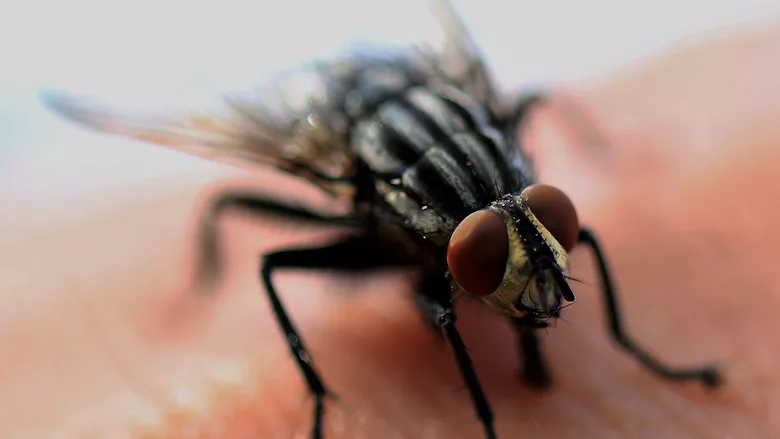
fly
Pixabay/Carola68
October 29, 2025

It’s no secret that food processing environments must uphold the highest standards to product safety and regulatory compliance. In poultry and meat processing, this means rigorous attention to pest management — where failure to follow best practices can directly impact public health and brand integrity.

As awareness around health and safety grows, more processors are recognizing the value of a proactive approach to pest control. Orkin emphasizes Integrated Pest Management (IPM) — a comprehensive strategy that includes inspecting, monitoring and preventive tactics (like exclusion and sanitation) before considering chemical pest treatments. For meat and poultry processing facilities, a robust IPM plan helps protect inventory, prevent contamination and reduce the costly risks associated with pest infestations. Routine inspections and ongoing monitoring are critical to maintaining compliance and safeguarding your reputation. 

Pest-borne pathogens that pose a threat to food safety
Rodents, insects and birds act as mechanical and biological vectors for dangerous pathogens that threaten raw meat and poultry product. For example:

  • Salmonella spp. is commonly spread through rodent feces, bird droppings and flies, contaminating surfaces, packaging and even raw products.
  • Listeria monocytogenes thrives in moist environments like floor drains, where cockroaches may serve as carriers.
  • Flies can also transmit Escherichia coli and Campylobacter spp. after coming into contact with animal carcasses, waste or unsanitary surfaces.
  • Pests may even carry Clostridium spores, posing contamination risks that are difficult to eliminate without stringent hygiene and monitoring protocols.

These pathogens can enter food production zones through indirect routes — on a pest’s legs, wings or in excreta — and proliferate in conditions where sanitation or exclusion practices fall short. This makes pest control a non-negotiable component of food safety strategy. 

The sheer size of the average meat processing facility means that pest management requires a commitment in both time and financial resources. Don’t forget to consider these factors: Meat processing facilities face unique challenges in keeping pests out. Entry points could include shipping and receiving areas, employee access and contract laundry deliveries. Pests are drawn to a facility by lighting, emissions or odors, and even accidentally brought in with materials. Grassy and litter-strewn areas around a plant can harbor and provide breeding areas for pests.

Once inside, pests find warm temperatures, standing water, food and ample shelter. Structural features like conduits and equipment further enable pest mobility in a plant. These overlapping risk factors make a strong IPM plan critical to prevention.

An infestation should never be trending
 
Pest control is evolving, and new trends are reshaping IPM planning. Insecticide resistance is on the rise — especially in cockroach and fly populations — making traditional chemical controls less effective. Pandemic-era changes to facility cleaning protocol and routine may have inadvertently weakened pest barriers.

At the same time, regulatory scrutiny is increasing demand for better documentation and proactive pest prevention. Environmental pressures also play a role: urban expansion displaces rodents and birds, and climate change is affecting pest seasonality and species range. These changes demand flexible, forward-looking pest control strategies.

IPM for meat and poultry processors
 A well-executed IPM plan could be the difference between a successful audit and a serious contamination event. Given the strict regulatory oversight of meat and poultry processing, pest control must be documented and defensible. Standards like Hazard Analysis of Critical Control Points (HACCP) require facilities to identify, monitor and control hazards mdash; including pests. A compliant IPM plan includes thorough inspection protocols and written documentation covering:

  • bird, insect and rodent control procedures
  • month-by-month assessment, monitoring, and/or treatment schedule
  • pesticide application logs (chemicals used, locations, amounts, timing).

In today’s high-stakes food safety environment, IPM isn’t just a regulatory checkbox — it’s your frontline defense against contamination, recalls and reputational damage.

KEYWORDS: haccp interventions Pest control rodent control

Share This Story

Looking for a reprint of this article?
From high-res PDFs to custom plaques, order your copy today!


Ian Williams is technical services manager for Orkin. Williams is a board-certified entomologist, certified Wildlife Control Professional and a Preventive Controls Qualified Individual.

Recommended Content

JOIN TODAY
to unlock your recommendations.

Already have an account? Sign In

  • Double Charburger

    Premiumization drives burger category

    Shoppers seek out premium meat offerings to fulfill...
    Beef
    By: Sammy Bredar
  • JJS Adult Pekin duck

    Poultry Report 2025: Convenience propels poultry at retail

    Despite continued economic pressures, the poultry...
    Chicken
    By: Sammy Bredar
You must login or register in order to post a comment.

Report Abusive Comment

Manage My Account
  • eMagazine Subscriptions
  • Manage My Preferences
  • Newsletters
  • Online Registration
  • Subscription Customer Service
  • Connect with The National Provisioner

More Videos

Sponsored Content

Sponsored Content is a special paid section where industry companies provide high quality, objective, non-commercial content around topics of interest to the The National Provisioner audience. All Sponsored Content is supplied by the advertising company and any opinions expressed in this article are those of the author and not necessarily reflect the views of The National Provisioner or its parent company, BNP Media. Interested in participating in our Sponsored Content section? Contact your local rep!

close
  • A smiling man carrying a grocery basket is reaching down to pick up a package of meat in a grocery store.
    Sponsored byPIC

    The Green Light: New Data Shows 12-to-1 Support for Pork from PRRS-Resistant Pigs

  • Close up of a grocery cart full of groceries, a cropped image of a couple pushing the cart and a blurred background of the vegetable aisle.
    Sponsored byPIC

    New Market Research Finds Consumers in Eight Key Pork Markets Are Likely to Purchase Pork from Gene-Edited Pigs

  • Close up of a young pig with a blurred background.
    Sponsored byPIC

    New Research Forecasts Significant Economic and Market Impacts with PRRS-Resistant Pig Adoption

Popular Stories

Spam Dog

Hormel rolls out Spam hot dog for foodservice applications

Colorado Premium logo

Colorado Premium acquires Old Hickory Smokehouse

Niman Ranch Uncured Grass-Fed Beef Bacon

Niman Ranch introduces beef bacon

2026 Top 100 Meat & Poultry Processors Report

Events

June 11, 2026

From Fresh to Frozen in 3 Minutes Flat: Unlocking the Secrets to Temperature Control

Join Tony Vacaro, Foods Industry Manager, and Emile Klein, Foods Market Strategy Manager at Air Products and Chemicals, Inc. , as they tackle key questions surrounding heat removal in food processing. 

January 1, 2030

Webinar Sponsorship Information

For webinar sponsorship information, visit www.bnpevents.com/webinars or email webinars@bnpmedia.com.

View All Submit An Event

Products

Food Crime: An Introduction to Deviance in the Food Industry

Food Crime: An Introduction to Deviance in the Food Industry

See More Products
From Fresh to Frozen in 3 Minutes Flat: Unlocking the Secrets to Temperature Control Webinar Sponsored by Air Products

Related Articles

  • SIMBA Software provides traceability for meat / poultry processors

    See More
  • Water/dust resistant touch screens improve productivity for meat & poultry processors

    See More
  • SIMBA 2017 Update improves deconstruction processing, traceability for meat, poultry processors

    See More

Related Products

See More Products
  • meat.jpg

    Non-Thermal Processing Technologies for the Meat, Fish, and Poultry Industries

  • Handbook of Meat, Poultry and Seafood Quality, second edition

  • fermented.jpg

    Handbook of Fermented Meat and Poultry, 2nd Edition

See More Products
×

Stay ahead of the curve. Unlock a dose of cutting-edge insights.

Receive our premium content directly to your inbox.

SIGN-UP TODAY
  • RESOURCES
    • Advertise
    • Contact Us
    • Directories
    • Store
    • Want More
  • SIGN UP TODAY
    • Create Account
    • eMagazine
    • Newsletter
    • Customer Service
    • Manage Preferences
  • SERVICES
    • Marketing Services
    • Reprints
    • Market Research
    • List Rental
    • Survey/Respondent Access
  • STAY CONNECTED
    • LinkedIn
    • Facebook
    • YouTube
    • X (Twitter)
  • PRIVACY
    • PRIVACY POLICY
    • TERMS & CONDITIONS
    • DO NOT SELL MY PERSONAL INFORMATION
    • PRIVACY REQUEST
    • ACCESSIBILITY

Copyright ©2026. All Rights Reserved BNP Media, Inc. and BNP Media II, LLC.

Design, CMS, Hosting & Web Development :: ePublishing