Provisioner logo
Provisioner logo
search
cart
facebook twitter linkedin youtube
  • Sign In
  • Create Account
  • Sign Out
  • My Account
Provisioner logo
Provisioner logo
  • NEWS
    • Industry News
    • Supplier News
    • Case Studies
    • Recalls
    • Regulations
    • New Consumer Products
  • EXCLUSIVES
    • Newsletters
    • Source Book
    • Sponsored Insights
    • Events
    • Webinars
    • Classifieds
    • White Papers
    • Provisioner Store
    • Market Research
  • MEAT PROCESSING
    • SUSTAINABILITY
    • Processing
    • Packaging
    • Ingredients
    • Formulation
    • Food Safety
    • Special Reports
    • Commentary
  • PROFILES
    • Processor Profiles
    • Processor of the Year
    • Top 100 Processors
  • MEDIA
    • Videos
    • Podcasts
  • DIRECTORY
  • MIHOF
  • INDEPENDENT PROCESSOR
  • EMAG
    • eMagazine
    • ARCHIVE ISSUES
    • Contact
    • Advertise
  • JOIN!
Ingredients

Can ‘low sodium’ meet food-safety standards?

By Dr. Kathleen Glass, University of Wisconsin-Madison
October 16, 2013

Salt has been used to preserve foods for centuries. Use of sodium salts, including sodium chloride, sodium lactate, sodium diacetate, and sodium nitrite, in ready-to-eat meat and poultry products has increased substantially in the past century as their essential capabilities in preservation and food safety have been validated.

Sodium nitrite and sodium lactate have both been shown to inhibit growth of Clostridium perfringens and Clostridium botulinum during extended cooling of meats or in the event of temperature abuse at retail or by the consumer. Even when salt levels alone are insufficient to prevent growth of pathogens and spoilage organisms, salt may depress microbial growth rates and work in conjunction with other preservatives, such as organic acids, or temperature control, to prevent growth and toxin production.

This multiple-hurdle technology is successfully used to ensure safety of foods and extend shelf life.

Within the past 15 years, combinations of sodium lactate, diacetate, nitrite and salt have routinely been used to inhibit growth of Listeria monocytogenes during extended refrigerated storage. According to a 2003 risk assessment, deli meats without growth inhibitors were responsible for approximately 90 percent of listeriosis cases in the United States; however, a 2010 assessment estimated that widespread reformulation of deli meats with these sodium-based salts was associated with a 2.8- to 9-fold reduction in human listeriosis deaths. As a result, industry and the food-safety community are reluctant to remove these inhibitors without using suitable and validated substitutes.

Sodium in RTE meat and poultry products can be reduced by partially replacing sodium with potassium salts, or through the use of low concentrations of effective, traditional antimicrobials, such as sodium benzoate, and sodium propionate at levels allowed by government regulations.

Sodium lactate-sodium diacetate blends have been replaced with potassium lactate-sodium diacetate. However, since the molecular weight of potassium lactate is greater than the sodium salt, substitution is made on a molar basis to provide equivalent inhibition of L. monocytogenes or Clostridium sp.. Similarly, partial substitution of sodium chloride with potassium chloride on a molar basis is likely to have equivalent growth inhibition properties. Sodium propionate used at a 0.2% level in a cured ham product imparts only 47 ppm additional sodium for a 50 g serving, compared to 275 ppm for a 1.6% pure sodium lactate-0.1% sodium diacetate addition. Yet this sodium propionate addition still retains similar levels of anti-listerial activity during 80 days storage at 40°F. 

More recently, alternate growth inhibitors which are marketed under the “natural” claim have been proposed as an alternative to reduce the total level of sodium salts. Several examples include microbial fermentates which contain bacteriocins, blends of organic acids, plant extracts, or combinations of these ingredients. Many of these ingredients are most effective when used in conjunction with nitrite, whether derived from synthetic sodium nitrite or from cultured celery powder. However, the sodium contributions by these ingredients are variable and inhibitory properties must be validated. 

Although no single ingredient has been identified to replace sodium-based salts for all applications, modest sodium reduction in ready-to-eat meat and poultry products can be made while maintaining safety.

KEYWORDS: food safety strategies pathogen reduction strategies sodium reduction

Share This Story

Looking for a reprint of this article?
From high-res PDFs to custom plaques, order your copy today!

Dr. Kathleen Glass is associate director and senior scientist at the Food Research Institute at the University of Wisconsin-Madison, and is scheduled to lead a presentation on this topic during Process Expo at Chicago’s McCormick Place, Nov. 3-6, 2013.

Recommended Content

JOIN TODAY
to unlock your recommendations.

Already have an account? Sign In

  • Double Charburger

    Premiumization drives burger category

    Shoppers seek out premium meat offerings to fulfill...
    Burgers
    By: Sammy Bredar
  • JJS Adult Pekin duck

    Poultry Report 2025: Convenience propels poultry at retail

    Despite continued economic pressures, the poultry...
    Meat and Poultry Industry News
    By: Sammy Bredar
You must login or register in order to post a comment.

Report Abusive Comment

Manage My Account
  • eMagazine Subscriptions
  • Manage My Preferences
  • Newsletters
  • Online Registration
  • Subscription Customer Service
  • Connect with The National Provisioner

More Videos

Sponsored Content

Sponsored Content is a special paid section where industry companies provide high quality, objective, non-commercial content around topics of interest to the The National Provisioner audience. All Sponsored Content is supplied by the advertising company and any opinions expressed in this article are those of the author and not necessarily reflect the views of The National Provisioner or its parent company, BNP Media. Interested in participating in our Sponsored Content section? Contact your local rep!

close
  • A smiling man carrying a grocery basket is reaching down to pick up a package of meat in a grocery store.
    Sponsored byPIC

    The Green Light: New Data Shows 12-to-1 Support for Pork from PRRS-Resistant Pigs

  • Close up of a grocery cart full of groceries, a cropped image of a couple pushing the cart and a blurred background of the vegetable aisle.
    Sponsored byPIC

    New Market Research Finds Consumers in Eight Key Pork Markets Are Likely to Purchase Pork from Gene-Edited Pigs

  • Close up of a young pig with a blurred background.
    Sponsored byPIC

    New Research Forecasts Significant Economic and Market Impacts with PRRS-Resistant Pig Adoption

Popular Stories

Various new Primal snack sticks on a table amongst pencils, apples, a pair of glasses, lunch bags and a water bottle.

Protein demand drives snacking occasions

Spam Dog

Hormel rolls out Spam hot dog for foodservice applications

Several cuts of beef, pork and chicken on a wooden board, cast iron pan and salt.

Validated thermal lethality data and a new tool for ensuring safety of RTE meats

2026 Top 100 Meat & Poultry Processors Report

Events

June 11, 2026

From Fresh to Frozen in 3 Minutes Flat: Unlocking the Secrets to Temperature Control

Join Tony Vacaro, Foods Industry Manager, and Emile Klein, Foods Market Strategy Manager at Air Products and Chemicals, Inc. , as they tackle key questions surrounding heat removal in food processing. 

January 1, 2030

Webinar Sponsorship Information

For webinar sponsorship information, visit www.bnpevents.com/webinars or email webinars@bnpmedia.com.

View All Submit An Event

Products

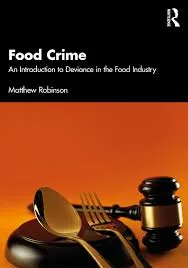
Food Crime: An Introduction to Deviance in the Food Industry

Food Crime: An Introduction to Deviance in the Food Industry

See More Products
From Fresh to Frozen in 3 Minutes Flat: Unlocking the Secrets to Temperature Control Webinar Sponsored by Air Products

Related Articles

  • Investigating thermal-processing food-safety standards

    See More
  • Certification to the Global Food Safety Standards

    See More
  • USDA proposes tougher food safety standards for chicken and turkey

    See More

Related Products

See More Products
  • food safety.jpg

    Food Safety in the Seafood Industry: A Practical Guide for ISO 22000 and FSSC 22000 Implementation

  • seafood.jpg

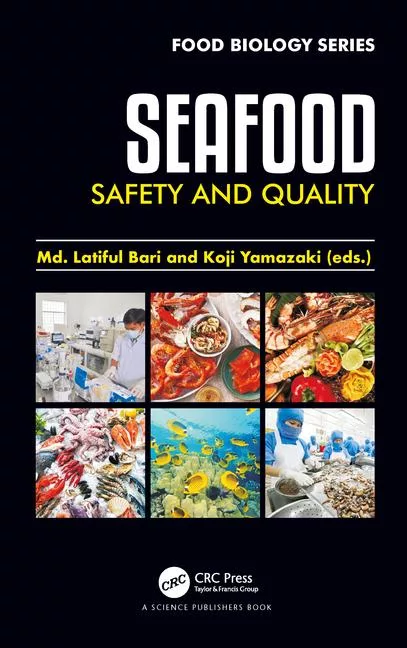
    Seafood Safety and Quality

  • food-crime.jpg

    Food Crime: An Introduction to Deviance in the Food Industry

See More Products

Events

View AllSubmit An Event
  • April 25, 2013

    Food Plant of the Future: Global Food Safety Impact on Facilities

    On demand SQF 2000, FSMA, ISO 22000/PAS220 and other standards continue to gain traction in an attempt to create safer foods and beverages.
View AllSubmit An Event
×

Stay ahead of the curve. Unlock a dose of cutting-edge insights.

Receive our premium content directly to your inbox.

SIGN-UP TODAY
  • RESOURCES
    • Advertise
    • Contact Us
    • Directories
    • Store
    • Want More
  • SIGN UP TODAY
    • Create Account
    • eMagazine
    • Newsletter
    • Customer Service
    • Manage Preferences
  • SERVICES
    • Marketing Services
    • Reprints
    • Market Research
    • List Rental
    • Survey/Respondent Access
  • STAY CONNECTED
    • LinkedIn
    • Facebook
    • YouTube
    • X (Twitter)
  • PRIVACY
    • PRIVACY POLICY
    • TERMS & CONDITIONS
    • DO NOT SELL MY PERSONAL INFORMATION
    • PRIVACY REQUEST
    • ACCESSIBILITY

Copyright ©2026. All Rights Reserved BNP Media, Inc. and BNP Media II, LLC.

Design, CMS, Hosting & Web Development :: ePublishing