Smithfield Foods Inc. will conduct a comprehensive watershed and water-use analysis across its vertically integrated operations to increase the company's water use efficiencies and ensure sustainable sourcing and practices companywide.
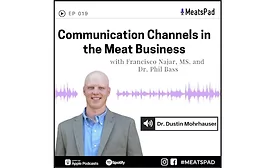
Francisco Najar-Villarreal and Dr. Phil Bass return in this week’s MeatsPad podcast to talk with Dr. Dustin Mohrhouser, associate pork quality manager with Smithfield Foods.
From renewable natural gas infrastructure to improving zero-waste-to-landfill standard, find out how Smithfield Foods is in position to meet its goal to reduce greenhouse gas emissions 25% by 2025.
In its quest to reduce its greenhouse gas emissions 25 percent by 2025, Smithfield Foods has made significant leaps forward, through innovative manure-to-energy technology and total supply-chain assessment and reorganization.
In December 2016, Smithfield Foods — the world's largest pork processor and hog producer — made known to the world its plan to reduce greenhouse gas (GHG) emissions by 25 percent across its entire supply chain by the year 2025.
It was a tight race to the final day, but after the clock ticked to Aug. 1, 2017, and voting ended, Smithfield Foods’ hometown plant — the Smithfield, Va., processing facility — stood as the winner of The National Provisioner’s 2017 Plant of the Year award.