By sharing transparent strategies — such as sustainable maintenance practices — businesses can demonstrate leadership and gain a competitive advantage within an evolving industry.
Ranchers can leverage sustainable practices and transparency throughout the beef supply chain through the new CARE Certified sustainable leather program.
Seattle independent grocer Town & Country Markets partners with the Aquaculture Stewardship Council to showcase sustainability, traceability and transparency for seafood that’s been certified as responsibly farmed.
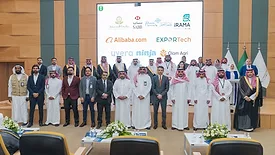
Geothermal cooling systems operate under Saudi startup Strataphy's Cooling as a Service model offers a scalable, low-carbon solution for sustainable poultry production.
Open Farm leadership explains how verified regenerative sourcing could be scaled across meat production — what’s working so far, where challenges lie and what opportunities could be ahead for the industry.
In episode 216 of The National Provisioner Podcast, Anne Malleau, VP of agriculture and animal welfare programs at Open Farm, explains how regenerative practices and third-party verification can strengthen value and trust across the entire protein sector.
Report shows waste prevention directly improves margins, strengthens retailer trust and positions the frozen and refrigerated categories as essential solutions for both efficiency and sustainability.
National Frozen & Refrigerated Foods Association's 2025 Food Waste Insights Report reveals how tackling food loss and waste across the cold chain can unlock financial, operational and reputational gains for manufacturers, retailers and distributors alike.
Industry leaders deliver practical strategies for advancing rendering operations, from tackling lipid oxidation and contamination risks to improving workplace safety, negotiation skills and water management.
Analysis finds regenerative farming practices yield turkeys with higher levels of antioxidants, a better fatty acid balance and more essential vitamins.
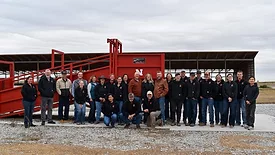
Noble Research Institute selects G Bar C Ranch for its commitment to regenerative management practices that have transformed 3,000 acres into a model of biodiversity and sustainable cattle production.