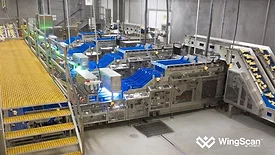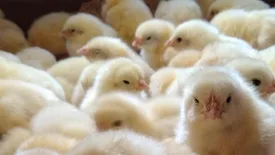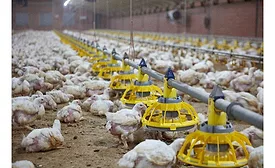
A slowdown in new processing plant construction — combined with the inherent limitations of existing production systems and an undersupply of chicks — could hinder processors’ ability to maintain recent growth trends.
Despite notable advances in pathogen control during poultry processing, Campylobacter can still contaminate poultry carcasses at the end of processing.
University of Georgia professor works to identify Campylobacter jejuni that are tolerant to antimicrobials commonly used during poultry processing and to demonstrate an approach to control them.
With per capita chicken consumption over 100 pounds, it will be increasingly necessary to develop chicken products for both the at-home and away-from-home markets.
In order to satisfy the growing demand of poultry meat, selection criteria for fast-growing broilers have been addressed to improve especially the pectoralis major muscles, which represent the most valuable portion of the carcass and are used for both processed and fresh meat products.