Provisioner logo
Provisioner logo
search
cart
facebook twitter linkedin youtube
  • Sign In
  • Create Account
  • Sign Out
  • My Account
Provisioner logo
Provisioner logo
  • NEWS
    • Industry News
    • Supplier News
    • Case Studies
    • Recalls
    • Regulations
    • New Consumer Products
  • EXCLUSIVES
    • Newsletters
    • Source Book
    • Sponsored Insights
    • Events
    • Webinars
    • Classifieds
    • White Papers
    • Provisioner Store
    • Market Research
  • MEAT PROCESSING
    • SUSTAINABILITY
    • Processing
    • Packaging
    • Ingredients
    • Formulation
    • Food Safety
    • Special Reports
    • Commentary
  • PROFILES
    • Processor Profiles
    • Processor of the Year
    • Top 100 Processors
  • MEDIA
    • Videos
    • Podcasts
  • DIRECTORY
  • MIHOF
  • INDEPENDENT PROCESSOR
  • EMAG
    • eMagazine
    • ARCHIVE ISSUES
    • Contact
    • Advertise
  • JOIN!
Meat and Poultry ProcessingFood SafetySpecial Reports

2017 Food Safety Report

Fighting foreign material

By Lee Johnson Ph.D.
The manufacture and distribution of food involves a lot of equipment, such as pallets, which must be managed to prevent foreign material from entering the product stream

The manufacture and distribution of food involves a lot of equipment and materials, all of which must be adequately managed to prevent foreign material from entering the product stream.

March 15, 2017

Several large-scale recalls have been issued recently for products containing foreign material, which creates headlines that draw a lot of attention to how the industry keeps foreign material from contaminating the food supply. We’ve heard rumblings of new government policies, so it is prudent to review the basic concerns. I believe it is safe to say that all parties — consumer, regulator or protein manufacturer — do not want foreign material in food.

If you step back and recognize the sheer scale of our food supply and the industry, you would be astounded at how well we actually control this. Yet, regardless of the progressive steps we have taken, there are still changes to be made in order for us to manage the risk.

Today, it takes only a few small events to lead to a significant problem. The reality is, our industry is not capable of a zero-tolerance program in terms of foreign material making its way into the product stream, and we must continue to push ourselves to manage the challenges. The key to our approach is prevention and risk mitigation. If we are able to remove the risk, we do so; if not, we try to control it. The industry has adopted many different approaches to managing risks.

Regardless of what we do, the manufacture and distribution of food involves a lot of equipment, conveyors, pallets, containers, plastic covers and corrugated boxes. All of these items must be adequately managed to prevent foreign material from entering the product stream. 

Processes that work

The use of metal detectors has been universally employed throughout the food industry for years. Metal detection does a satisfactory job, but unfortunately it is not foolproof and therefore must be managed. For example, many systems have a reject mechanism that will identify and remove suspect product from a conveyor belt. This system must accurately contain suspect product, so the management and investigation of a potential metal source must be understood quickly and accurately. Another challenge arises when differences in temperature are sensed and cause misreadings. This, in turn, causes large amounts of product to accumulate quickly. Therefore, temperature-related misreadings must be managed and controlled to make sure product doesn’t inadvertently move further down the line.

X-ray technology is a fantastic improvement in foreign-material detection to visual inspection; however, it is also not without challenges. The use of X-ray requires calibration to the foreign material that is being searched for, so it is difficult to use routinely unless you already know of a concern or consistent foreign-material issue. In the case of bone detection, it is a superior tool and has improved the safety of many operations, especially in its use for poultry. It can also be used for metal detection.

Challenging materials

Hard plastic and other non-metallic material remain a nemesis for quality-assurance departments. The cleanability of Delron, which is an acetal polyoxymethylene resin approved by the FDA, and other materials have improved the food safety of our industry significantly. However, if they are damaged and enter the product stream, these materials will cause severe problems. With long conveying systems, it can be difficult to identify broken or damaged sections, but the quicker it is observed, the less product is affected. Therefore, a good belt integrity management program is essential for management of risk and identifying opportunities quickly.

Wood is another challenge for our industry, as nearly every raw material arrives on wood pallets. Some pallets are in better shape than others, but this is another identified risk that must be controlled. West Liberty Foods has made a significant push to remove the use of wood pallets and combo bins that use corrugate and plastic. We have replaced these materials with hard plastic combo bins.

This may cause you to stop and scratch your head, saying, “Aren’t you simply moving from one high-risk material to another?” The answer is yes, but we have seen beneficial results with specific types of plastic combos and have employed a program to manage the upkeep of the plastic. We have had great long-term success with their use.

Any time you work with raw meat and see it through the processes of grinding, macerating, mixing etc., you will ultimately need to transfer it into a container of some kind. We have learned the hard way this action must be carefully performed. Combos must be carefully wrapped to control the inadvertent piece of wood or torn liner from contaminating the product. This step is crucial, as any problems in the grinding step will be exacerbated further downstream.

Prevent or contain

Speaking briefly on foreign-material programs, I believe an essential component to a successful foreign-material program is two-fold. The first and most important is prevention, and many of the programs discussed previously are designed to minimize the risk of contamination. The second is to identify the problem and find ways to contain it. An essential piece of the program is having a thorough process for tracking and receiving complaints — which involves a thorough incident investigation and an appropriate response.

As we look forward to our future, and as our industry continues to evolve, better technology will aid us substantially. Until then, we must continue to improve our processes and be transparent to regulators so they can understand the challenges our industry faces when drafting rules and regulations.  NP

KEYWORDS: foreign materials foreign objects safe food supply

Share This Story

Looking for a reprint of this article?
From high-res PDFs to custom plaques, order your copy today!


Dr. Lee Johnson has nearly 15 years experience in the food industry, including technical roles in research and development as well as food safety and processing. Johnson is a graduate of Virginia Polytechnic University (B.S.) and Texas A&M (M.S. and Ph.D.). Most recently, he was appointed to USDA’s National Advisory Committee on Microbiological Criteria for Foods by Agricultural Secretary Tom Vilsack. Johnson joined West Liberty Foods LLC in 2009.

Recommended Content

JOIN TODAY
to unlock your recommendations.

Already have an account? Sign In

  • Double Charburger

    Premiumization drives burger category

    Shoppers seek out premium meat offerings to fulfill...
    Burgers
    By: Sammy Bredar
  • JJS Adult Pekin duck

    Poultry Report 2025: Convenience propels poultry at retail

    Despite continued economic pressures, the poultry...
    Turkey
    By: Sammy Bredar
You must login or register in order to post a comment.

Report Abusive Comment

Manage My Account
  • eMagazine Subscriptions
  • Manage My Preferences
  • Newsletters
  • Online Registration
  • Subscription Customer Service
  • Connect with The National Provisioner

More Videos

Sponsored Content

Sponsored Content is a special paid section where industry companies provide high quality, objective, non-commercial content around topics of interest to the The National Provisioner audience. All Sponsored Content is supplied by the advertising company and any opinions expressed in this article are those of the author and not necessarily reflect the views of The National Provisioner or its parent company, BNP Media. Interested in participating in our Sponsored Content section? Contact your local rep!

close
  • A smiling man carrying a grocery basket is reaching down to pick up a package of meat in a grocery store.
    Sponsored byPIC

    The Green Light: New Data Shows 12-to-1 Support for Pork from PRRS-Resistant Pigs

  • Close up of a grocery cart full of groceries, a cropped image of a couple pushing the cart and a blurred background of the vegetable aisle.
    Sponsored byPIC

    New Market Research Finds Consumers in Eight Key Pork Markets Are Likely to Purchase Pork from Gene-Edited Pigs

  • Close up of a young pig with a blurred background.
    Sponsored byPIC

    New Research Forecasts Significant Economic and Market Impacts with PRRS-Resistant Pig Adoption

Popular Stories

JBS USA logo

JBS USA closing pair of processing facilities

Various new Primal snack sticks on a table amongst pencils, apples, a pair of glasses, lunch bags and a water bottle.

Protein demand drives snacking occasions

Several cuts of beef, pork and chicken on a wooden board, cast iron pan and salt.

Validated thermal lethality data and a new tool for ensuring safety of RTE meats

2026 Top 100 Meat & Poultry Processors Report

Events

January 1, 2030

Webinar Sponsorship Information

For webinar sponsorship information, visit www.bnpevents.com/webinars or email webinars@bnpmedia.com.

View All Submit An Event

Products

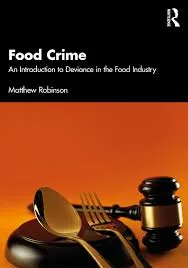
Food Crime: An Introduction to Deviance in the Food Industry

Food Crime: An Introduction to Deviance in the Food Industry

See More Products
From Fresh to Frozen in 3 Minutes Flat: Unlocking the Secrets to Temperature Control Webinar Sponsored by Air Products

Related Articles

  • FSIS Notice 40-16 requires IPP at regulation facilities to complete a questionnaire on how an establishment responds to foreign-material complaints

    FSIS targets foreign-material response

    See More
  • X-ray and metal detectors are used for preventing foreign materials from entering the product stream

    Preventing foreign-material contamination of product

    See More
  • Metal Objects

    Preventing foreign-material contamination in meat and poultry processing

    See More

Related Products

See More Products
  • Handbook of Meat Processing

  • food-crime.jpg

    Food Crime: An Introduction to Deviance in the Food Industry

  • salmonela.jpg

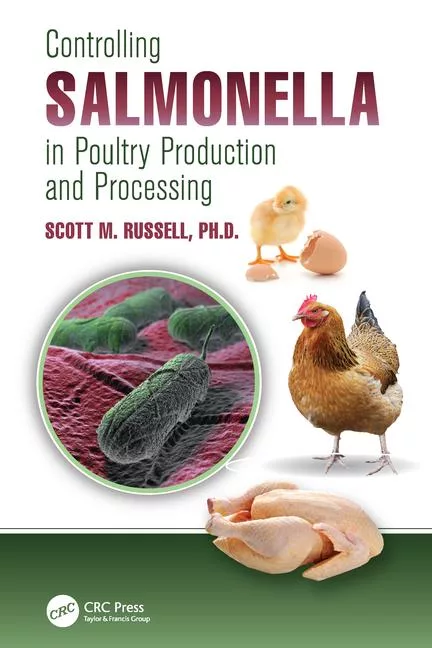
    Controlling Salmonella in Poultry Production and Processing

See More Products
×

Stay ahead of the curve. Unlock a dose of cutting-edge insights.

Receive our premium content directly to your inbox.

SIGN-UP TODAY
  • RESOURCES
    • Advertise
    • Contact Us
    • Directories
    • Store
    • Want More
  • SIGN UP TODAY
    • Create Account
    • eMagazine
    • Newsletter
    • Customer Service
    • Manage Preferences
  • SERVICES
    • Marketing Services
    • Reprints
    • Market Research
    • List Rental
    • Survey/Respondent Access
  • STAY CONNECTED
    • LinkedIn
    • Facebook
    • YouTube
    • X (Twitter)
  • PRIVACY
    • PRIVACY POLICY
    • TERMS & CONDITIONS
    • DO NOT SELL MY PERSONAL INFORMATION
    • PRIVACY REQUEST
    • ACCESSIBILITY

Copyright ©2026. All Rights Reserved BNP Media, Inc. and BNP Media II, LLC.

Design, CMS, Hosting & Web Development :: ePublishing