Provisioner logo
Provisioner logo
search
cart
facebook twitter linkedin youtube
  • Sign In
  • Create Account
  • Sign Out
  • My Account
Provisioner logo
Provisioner logo
  • NEWS
    • Industry News
    • Supplier News
    • Case Studies
    • Recalls
    • Regulations
    • New Consumer Products
  • EXCLUSIVES
    • Newsletters
    • Source Book
    • Sponsored Insights
    • Events
    • Webinars
    • Classifieds
    • White Papers
    • Provisioner Store
    • Market Research
  • MEAT PROCESSING
    • SUSTAINABILITY
    • Processing
    • Packaging
    • Ingredients
    • Formulation
    • Food Safety
    • Special Reports
    • Commentary
  • PROFILES
    • Processor Profiles
    • Processor of the Year
    • Top 100 Processors
  • MEDIA
    • Videos
    • Podcasts
  • DIRECTORY
  • MIHOF
  • INDEPENDENT PROCESSOR
  • EMAG
    • eMagazine
    • ARCHIVE ISSUES
    • Contact
    • Advertise
  • JOIN!
Meat and Poultry Industry NewsExpert Commentary

Regulations & Legislation

FSIS targets foreign-material response

Agency begins scrutiny of industry’s handling of foreign-material complaints/findings.

By Brett Schwemer
FSIS Notice 40-16 requires IPP at regulation facilities to complete a questionnaire on how an establishment responds to foreign-material complaints

In the next few months, FSIS will be scrutinizing how establishments are assessing, responding to, and reporting foreign-material complaints and findings and developing policy based on this assessment.

July 6, 2016

On June 8, FSIS issued Notice 40-16, “Questionnaire on Consumer Complaints Involving Foreign Material.”

The notice comes on the heels of recent recalls pertaining to foreign material and a May 18 conference call with industry to discuss how establishments handle foreign-material complaints from consumers/customers and findings between establishments.

Under the notice, inspection program personnel (IPP) at regulated facilities are to complete a questionnaire between July 11 and Aug. 11 regarding how an establishment responds to foreign-material complaints. Although the questionnaire has not yet been released, the notice indicates establishments will be asked, among other things: 1) whether they have a written process to gather and evaluate all consumer complaints regarding foreign material; 2) whether they have a written description of the actions they take for complaints, including when no action is taken and why; and 3) whether they make these written documents available to IPP. Information gleaned from the questionnaires will be used “to determine the next phase and to inform policy development.”

The agency is considering a new policy regarding when establishments are required to notify the FSIS District Office of foreign-material complaints. During the May 18 conference call, the agency stated that 9 C.F.R. § 418.2 provides the current notification requirements. This regulation requires an establishment to notify the district office within 24 hours when it has reason to believe adulterated or misbranded product is in commerce; however, to meet the obligations of 9 C.F.R. § 418.2, FSIS is concerned establishments do not have a documented process for determining whether consumer complaints are legitimate and, if so, for determining whether adulterated product may be in commerce.

With regard to what elements should be part of a documented process, FSIS has shared the following questions.

  • Does the establishment/company have a written protocol for tracking incoming complaints?
  • Is there written decision criteria for determining:
    • Whether a complaint is legitimate?
    • Whether the foreign material is isolated or systemic; if isolated:
  • Whether the establishment has a process for reviewing any remaining product; and
  • Whether the establishment considers “repeat isolated incidents” from the same source?
    • Whether the foreign material is visible to the consumer or incorporated into the product?
  • Even if visible, FSIS noted that establishments should carefully consider whether product has been shipped to schools, military, hospitals and other institutions.
    • Whether the foreign material renders product “adulterated?” and
    • Whether FSIS will be notified?
  • If corporate headquarters is doing the analysis, does headquarters provide feedback to the producing establishment and provide updates regarding repetitive contamination?
  • Is the process for evaluating complaints regarding foreign material in a form that IPP can review?
  • Does the establishment provide updates to IPP regarding foreign-material complaints?

Another policy issue under consideration is when establishments are required to notify the district office when foreign material is found between official establishments. During the industry conference call, a question was asked whether establishments are required to notify the district office pursuant to 9 C.F.R. § 418.2 each time foreign material is found upon receipt of food (e.g., blue glove, metal hook). The agency reported it does not currently expect notification to the district office provided the following conditions are met:

  • The establishment finds the foreign material;
  • The establishment follows procedures to evaluate the incoming product to ensure the foreign material is an isolated incident and not more prevalent;
  • The establishment notifies its supplier; and
  • The establishment notifies IPP.

If these conditions are met, FSIS would currently allow the foreign-material finding to be handled in accordance with FSIS Directive 8140.1. Although quite old and recognized by the agency as in need of updating, this directive sets forth procedures it will follow when an establishment receives adulterated product from a supplier. Procedures include completing a Form 8140.1 and notifying agency personnel in the district in which the supplier resides.

In the next few months, FSIS will be scrutinizing how establishments are assessing, responding to, and reporting foreign-material complaints and findings and developing policy based on this assessment. If establishments have not already done so, it’s time for them to reassess their procedures to ensure they are meeting agency expectations.  NP

KEYWORDS: foreign materials foreign objects FSIS FSIS regulations regulations

Share This Story

Looking for a reprint of this article?
From high-res PDFs to custom plaques, order your copy today!


Brett schwemer

Brett Schwemer is a principal with Olsson Frank Weeda Terman Matz, PC in Washington, D.C. His primary specialty is food safety and labeling law, representing meat and poultry companies and trade associations before USDA’s Food Safety and Inspection Service. Brett also specializes in regulatory, compliance, and enforcement matters before other USDA agencies, such as the Grain Inspection, Packers and Stockyards Administration.

Recommended Content

JOIN TODAY
to unlock your recommendations.

Already have an account? Sign In

  • Double Charburger

    Premiumization drives burger category

    Shoppers seek out premium meat offerings to fulfill...
    Ingredients
    By: Sammy Bredar
  • JJS Adult Pekin duck

    Poultry Report 2025: Convenience propels poultry at retail

    Despite continued economic pressures, the poultry...
    Turkey
    By: Sammy Bredar
You must login or register in order to post a comment.

Report Abusive Comment

Manage My Account
  • eMagazine Subscriptions
  • Manage My Preferences
  • Newsletters
  • Online Registration
  • Subscription Customer Service
  • Connect with The National Provisioner

More Videos

Sponsored Content

Sponsored Content is a special paid section where industry companies provide high quality, objective, non-commercial content around topics of interest to the The National Provisioner audience. All Sponsored Content is supplied by the advertising company and any opinions expressed in this article are those of the author and not necessarily reflect the views of The National Provisioner or its parent company, BNP Media. Interested in participating in our Sponsored Content section? Contact your local rep!

close
  • A smiling man carrying a grocery basket is reaching down to pick up a package of meat in a grocery store.
    Sponsored byPIC

    The Green Light: New Data Shows 12-to-1 Support for Pork from PRRS-Resistant Pigs

  • Close up of a grocery cart full of groceries, a cropped image of a couple pushing the cart and a blurred background of the vegetable aisle.
    Sponsored byPIC

    New Market Research Finds Consumers in Eight Key Pork Markets Are Likely to Purchase Pork from Gene-Edited Pigs

  • Close up of a young pig with a blurred background.
    Sponsored byPIC

    New Research Forecasts Significant Economic and Market Impacts with PRRS-Resistant Pig Adoption

Popular Stories

Spam Dog

Hormel rolls out Spam hot dog for foodservice applications

Niman Ranch Uncured Grass-Fed Beef Bacon

Niman Ranch introduces beef bacon

Various new Primal snack sticks on a table amongst pencils, apples, a pair of glasses, lunch bags and a water bottle.

Protein demand drives snacking occasions

2026 Top 100 Meat & Poultry Processors Report

Events

June 11, 2026

From Fresh to Frozen in 3 Minutes Flat: Unlocking the Secrets to Temperature Control

Join Tony Vacaro, Foods Industry Manager, and Emile Klein, Foods Market Strategy Manager at Air Products and Chemicals, Inc. , as they tackle key questions surrounding heat removal in food processing. 

January 1, 2030

Webinar Sponsorship Information

For webinar sponsorship information, visit www.bnpevents.com/webinars or email webinars@bnpmedia.com.

View All Submit An Event

Products

Food Crime: An Introduction to Deviance in the Food Industry

Food Crime: An Introduction to Deviance in the Food Industry

See More Products
From Fresh to Frozen in 3 Minutes Flat: Unlocking the Secrets to Temperature Control Webinar Sponsored by Air Products

Related Articles

  • Animal Transport Truck

    Potential impact of FDA Foreign Supplier Verification Programs final rule

    See More
  • Meat and Poultry Products in Establishment

    Update to FSIS Directive 8140.1

    See More
  • Meat and poultry establishments have the right to appeal any agency decision pursuant to FSIS regulations

    Should your establishment appeal a FSIS decision?

    See More

Related Products

See More Products
  • advances.jpg

    Advances in Meat Processing Technology

  • salmonela.jpg

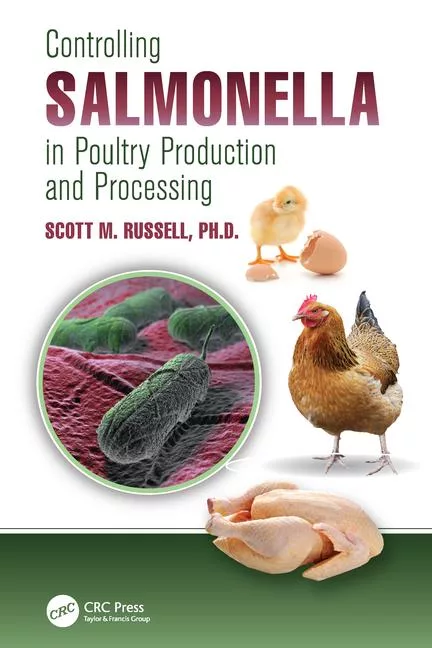
    Controlling Salmonella in Poultry Production and Processing

See More Products
×

Stay ahead of the curve. Unlock a dose of cutting-edge insights.

Receive our premium content directly to your inbox.

SIGN-UP TODAY
  • RESOURCES
    • Advertise
    • Contact Us
    • Directories
    • Store
    • Want More
  • SIGN UP TODAY
    • Create Account
    • eMagazine
    • Newsletter
    • Customer Service
    • Manage Preferences
  • SERVICES
    • Marketing Services
    • Reprints
    • Market Research
    • List Rental
    • Survey/Respondent Access
  • STAY CONNECTED
    • LinkedIn
    • Facebook
    • YouTube
    • X (Twitter)
  • PRIVACY
    • PRIVACY POLICY
    • TERMS & CONDITIONS
    • DO NOT SELL MY PERSONAL INFORMATION
    • PRIVACY REQUEST
    • ACCESSIBILITY

Copyright ©2026. All Rights Reserved BNP Media, Inc. and BNP Media II, LLC.

Design, CMS, Hosting & Web Development :: ePublishing