Supplier Perspectives
Packaging technologies fight food waste
How spoilage-stopping solutions can combat a global crisis
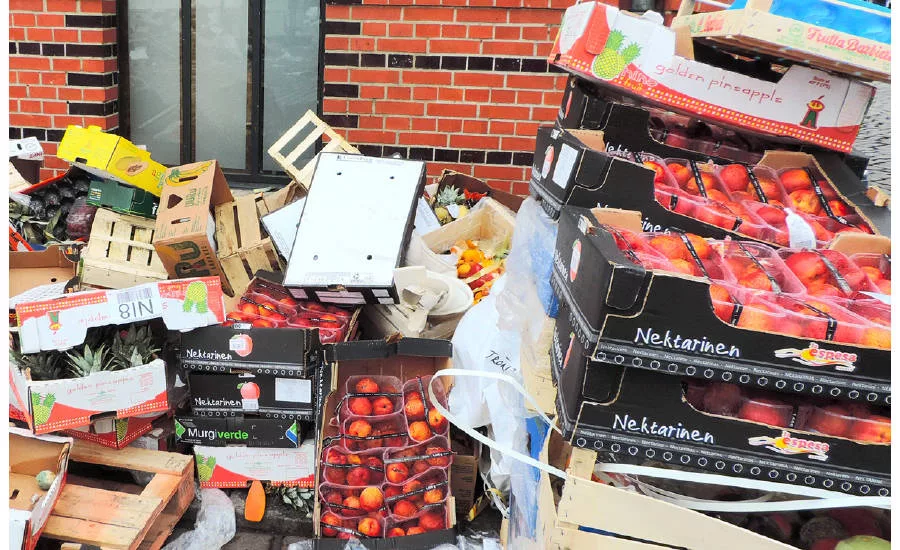
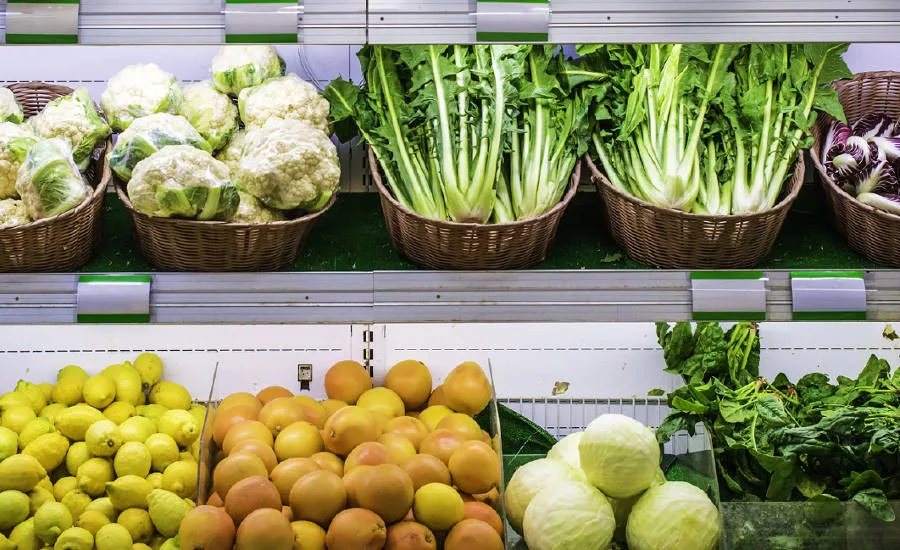
A whopping one third – 1.3 billion tons – of the food produced for human consumption worldwide is lost every year. Americans throw out about 40 percent of the food they produce annually, the equivalent of $165 billion.1 When one in six Americans lack food security, the amount of food discarded every year is even more startling.2 However, consumers are largely uneducated about how packaging can protect fresh foods. Only 13 percent of consumers understand that keeping food in original packaging keeps it fresher for longer, and 61 percent think that fruits and vegetables “go off” more quickly in packaging.3
In fact, packaging can do just the opposite. The U.S. Environmental Protection Agency (EPA) identifies extended shelf life technologies as solutions that packaging suppliers can use to combat food waste.4
A large part of the responsibility to fight food waste falls on packaging suppliers and brands. Fortunately, brands can take advantage of innovative technologies that can help extend the shelf life of products, especially as consumers demand more products with few or no preservatives. One important example is oxygen absorbing technology that can be incorporated into packaging to help food last up to two times longer on the store shelf. An oxygen absorber that is incorporated as a layer within packaging film has been demonstrated to protect products from oxygen degradation, enabling the color, texture and taste to be preserved much longer than previously possible.
Made of polyolefins (PP/PE) that are activated with an iron-based formulation, this oxygen absorbing film layer can protect food from outside air that may penetrate the interior of the packaging, while absorbing the oxygen that remains within inside sealed packaging.
Reducing oxygen, strengthening brands
By incorporating an oxygen-absorbing film layer as part of a flexible package, the oxygen concentration within a sealed environment can be reduced to 0.1 percent or less. This has the effect of extending the shelf life by up to two times, and in some cases for longer. By so reducing the threat of oxidation, the technology also preserves food’s original colors, flavors and textures, and it eliminates the need for added chemicals and preservatives.
In addition, oxygen absorbers protect the quality of fats and oils, which deteriorate when they react with oxygen in the retort packaging process. Another critical advantage is that nutrients like Vitamin C and E, which are vulnerable to degradation, can be preserved, making this technology especially important for organic and wellness brands.
Oxygen within sealed food packaging speeds the growth of micro-organisms and enzymes, leading to food spoilage. Oxidation results in quality loss in the fats and fatty portions of foods, creating unpleasant odors and flavors often described as rancid, oil-like or fishy. Not surprisingly, this makes food undesirable to consumers.
Studies from Johns Hopkins and Ohio State University have shown that 60 percent of people throw food out because they want to eat only the freshest foods they have. Customers are also uneducated on how long it takes for food to go bad. Sixty-five percent of people in the Ohio State study said that they discarded food because they were worried about food poisoning. When brands incorporate oxygen absorbers into packaging, customers can see their food tasting and looking fresher for longer, resulting in less food waste.5
Oxygen absorbers have applications in an array of food categories, including liquid-based soups, sauces, dips, protein bars, wet pet foods, and organic foods. Studies indicate that they work best with products with high water activity or high moisture content, and which are subject to heat treating processes like retort packaging. When an oxygen absorber is introduced, the heat treatment from retort will have a less degrading impact on foods. Oxygen molecules that are activated during retort would normally begin to degrade food within the packaging, but instead they can be absorbed. This means nutrients like Vitamin C and thiamine, as well as pigments such as chlorophyll and lycopene – which give food its fresh, appealing color—remain largely intact.
A win-win for natural and organic food brands
Shelf-life extending packaging solutions are especially ideal for natural and organic foods, which have fewer preservatives. As 84 percent of Americans choose foods with “free-from” claims because they are seeking more natural and less processed foods, packaging solutions that protect food’s natural flavors, textures and vitamins provide a solution for wellness-oriented brands.6 Such packaging eliminates the need for added sodium, spices and preservatives, all of which can be turnoffs for clean-eating consumers.
The benefits of shelf-life extending packaging go beyond consumers and brands. The USDA estimates that supermarkets lose $15 billion annually in unsold fruit and vegetables alone.7 Shelf-life extending technologies can help reduce food waste and save retailers on associated costs. They also give food processors, food manufacturers, food distributors and food retailers more control over product quality, availability and costs. And longer freshness cycles allow grocers to slow the product rotation, removal and restocking cycle, reducing food waste and the associated labor and waste disposal costs.
Packaging designers and food companies face a unique challenge – to reduce food waste while balancing consumer desires, regulations, safety, branding and product protections. The amount of food waste worldwide has broad impacts on food security, resource conservation and climate change. The land, water, labor, energy and other inputs used in producing, processing, transporting, preparing, storing, and disposing of discarded food are pulled away from uses that may have been more beneficial to society – and generate impacts on the environment that may endanger the long-term health of the planet.
In short, improvements to packaging can reduce food waste. By adopting and implementing technology like oxygen-absorbing films, the food packaging industry can do its part to alleviate this global problem. NP
For more information about Mitsubishi Gas Chemical America, visit www.mgc-a.com.
- https://www.sciencedaily.com/releases/2004/11/041123095923.htm
- https://www.nrdc.org/sites/default/files/wasted-food-IP.pdf
- https://assets.rockefellerfoundation.org/app/uploads/20170329165939/Reducing-Food-Waste-by-Changing-the-Way-Consumers-Interact-with-Food.pdf
- https://www.epa.gov/sites/production/files/2015-09/documents/bukowski.pdf
- https://www.usatoday.com/story/news/nation-now/2017/05/30/why-americans-waste-so-much-food/355864001/
- http://www.mintel.com/press-centre/food-and-drink/84-of-americans-buy-freefrom-foods-because-they-believe-them-to-be-more-natural-or-less-processed
- https://www.washingtonpost.com/news/wonk/wp/2012/08/22/how-foodactually-gets-wasted-in-the-united-states/?utm_term=.32701a1964b3
Looking for a reprint of this article?
From high-res PDFs to custom plaques, order your copy today!