Food Safety
Sanitary design for safety, efficiency
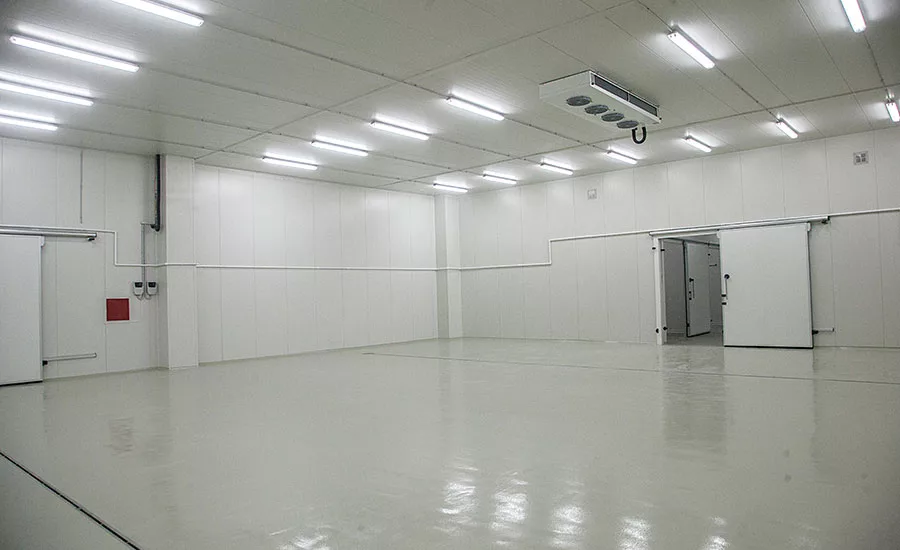
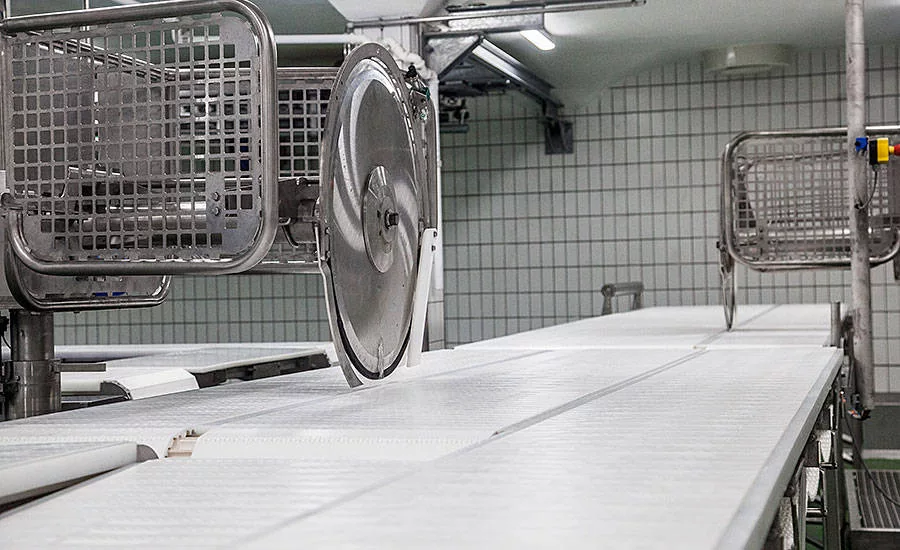
Food manufacturers, meat processors and equipment manufacturers continue to design, develop and implement sanitary principles to improve processes and products for consumers. Although not every company has embraced sanitary design principles, many organizations have discovered the benefits of applying them, and these efforts have identified areas most vulnerable to unwanted microbial activities.
There are eight topics in three major groups of physical design, equipment and traffic patterns that should continually be evaluated for improvements.
Physical design
Older facilities are usually not fortunate to have unlimited space and are constricted by location, neighbors, room sizes and spaces, and building infrastructure. Newer designs incorporate technology and art to deliver some amazing architectural innovations and aesthetics, but ultimately food-processing facilities are designed for function. Function of facilities can be segmented to the infrastructure and the processing lines.
A good guide to facility design is the North American Meat Institute’s Food Facility Sanitary Design Principles. Similar to the RTE Design Principles, these principles can guide one to areas that need to be addressed such as hygienic zones, utility systems, building materials and air-handling systems. Often, our attention is either pulled in many directions or we are focused on a narrow band of responsibilities that we do not step back and look at the facility in a holistic view.
As a professional project manager, multiple tools are available for me to successfully engage and manage projects. Using expert judgment is critical to implementing projects and addressing areas that may have an impact on sanitary design.
When analyzing the sanitary design of a facility, a good project manager will engage experts to deliver accurate and timely information. One cannot always be sure whether the information is valid; therefore, the more expert input collected, the better the sanitary design. Sometimes it is easy to fall into the mindset of, “We have always done it this way and it works.” This may be a working solution, but our industry and technology are not static and changes that are occurring may discount the “way we always did things.”
If we applied that mindset to equipment designs, we would still have tubular frames on conveyors. Yes, I am aware that many facilities still use and purchase conveyors with tubular frames, but there are better designs for those conveyors and other pieces of equipment.
Additionally, the choice of experts should not be taken lightly, and you shouldn’t automatically rely on a company or individuals you may have always used. It is better to solicit input from a number of sources each time, and wisely select the one that will benefit the stakeholders, project success and sanitary design.
Processing lines need constant attention. Continual improvement projects ensure organizations are implementing their strategic plans. Deployment of projects should follow the Project Management Institute’s Project Management Book of Knowledge. These principles can guide project managers to select and implement projects with good equipment selections in conjunction with sanitary design principles for facilities and equipment.
Equipment
Equipment design is usually a topic well-covered in articles. Continual modification and introduction of new technologies add information to this body of literature. Some additional insight to equipment and sanitary design is the location of equipment, traffic patterns of employees and maintenance.
Location access
How many times have you heard, “On the print, it looked like it would fit.” Fitting equipment into limited space continues to be a challenge for any company trying to maximize building space. Although equipment may fit into a space and be functional, the disassembly and maintenance of that equipment may be overlooked by operations, engineers and designers.
Equipment manufacturers use various design features to improve the functionality, cleanability, maintenance service and safety. More often, project engineers may not incorporate enough room to clean and service equipment. Removing a motor or gearbox with limited access is a maintenance nightmare. Not only will such repairs take longer but will increase the level of personnel frustration.
Sanitation crews must have clear and safe access to equipment. These people are placed in difficult situations in which the breakdown and setup can be challenging. Reducing the amount of workspace for sanitation workers can introduce safety risks and negatively affect the work performance of those individuals.
I believe everyone reading this article would agree there can and must be improvement on how equipment is assembled and disassembled. Of course, that is easier said than done as functional aspects of equipment dictate many assembly restrictions. Taking the screw out of grinders, removing belting, disassembly of larger pieces of equipment — these tasks require tools and physical effort. Assists can be added, and modified staging areas can benefit the effectiveness of breakdowns and set-ups.
So where do the parts go when the machines are disassembled? Usually in or on the closest cart, tote, pail or floor. Some equipment manufacturers and processors have embraced the method of 5S organization and the science of placing all parts in specific locations. The second “S” is Straighten (seiton), where there is a place for everything and everything in its place. This seems pretty simple, but in the rush to disassemble, clean and re-assemble, efficient methods are needed. Special parts carts and shadow boards for tools allow for better cleaning, sanitizing and parts inspection. Most equipment manufacturers provide parts cart options, and local fabricators can easily manufacture shadow boards.
Traffic patterns
Another challenge in designing facilities and processing lines is the entrance and exit of personnel. One key element I have always followed in designing processing lines and facilities is minimizing the amount of wasted time walking to and from welfare areas. A challenge in many older facilities is navigating proper pathways through the labyrinths of hallways and rooms.
Ingress and egress points start with the design and location of parking lots. Parking areas should be a hard surface and not allow pooling water. Trying to find parking seems to be a constant challenge at many plants, especially at shift change. Again, we should work toward logical traffic patterns that will get personnel in and out of the facility efficiently.
Once inside the building, an employee needs the quickest path to place his or her lunch/dinner and move to the locker rooms. Separation of processes to different rooms and welfare areas can minimize tracking the outside environment to the inside. This separation of areas and rooms should be logically applied to the location of maintenance and supply areas.
Maintenance location
Unfortunately, there never seems to be enough room for maintenance tools, personnel or spare parts. One way to approach this challenge is using the 5S method mentioned above. Organization and identification of spare parts and locations can save time and aid in the accurate cycle count of the inventory. When a critical piece of the process goes down, costs increase as lines are down while employees spend precious time looking for parts in a disorganized system.
Location of maintenance personnel and parts should be determined by the lowest travel time for personnel and separation of areas. A number of third-party audits have a section focused on maintenance ingress/egress to production areas. It would seem to be common sense that one would desire specified travel paths and minimized travel for maintenance personnel. One challenge to separating or consolidating areas is the typical central parts room. Centralized parts are optimal, but that concept can be enhanced with satellite areas for more commonly used parts and tools.
Conclusion
The bad news is, there is no perfect design of processes, equipment or facilities. The good news, however, is that our industry and partners continue to make improvements in these areas. Applying multiple guidelines from a number of resources can aid processors, equipment manufacturers, support service companies and line workers perform their tasks in a safer, cleaner and more efficient manner. NP
Looking for a reprint of this article?
From high-res PDFs to custom plaques, order your copy today!