Provisioner logo
Provisioner logo
search
cart
facebook twitter linkedin youtube
  • Sign In
  • Create Account
  • Sign Out
  • My Account
Provisioner logo
Provisioner logo
  • NEWS
    • Industry News
    • Supplier News
    • Case Studies
    • Recalls
    • Regulations
    • New Consumer Products
  • EXCLUSIVES
    • Newsletters
    • Source Book
    • Sponsored Insights
    • Events
    • Webinars
    • Classifieds
    • White Papers
    • Provisioner Store
    • Market Research
  • MEAT PROCESSING
    • SUSTAINABILITY
    • Processing
    • Packaging
    • Ingredients
    • Formulation
    • Food Safety
    • Special Reports
    • Commentary
  • PROFILES
    • Processor Profiles
    • Processor of the Year
    • Top 100 Processors
  • MEDIA
    • Videos
    • Podcasts
  • DIRECTORY
  • MIHOF
  • INDEPENDENT PROCESSOR
  • EMAG
    • eMagazine
    • ARCHIVE ISSUES
    • Contact
    • Advertise
  • JOIN!
Meat and Poultry Industry NewsSustainabilityExpert Commentary

Red meat – Sustainable real food

By Industry News
newsbriefs
March 11, 2020

By Matt Luxton, Silver Fern Farms’ Director of U.S. Sales

Calls by producers of artificial meat for the eradication of animal agriculture by 2035 are both environmentally sensationalist and economically alarmist.

The need for every industry to reduce make progress towards a low carbon future is unimpeachable. Many industries are self-aware of their carbon legacies and are innovating their way into the future to steadily reduce their footprint. Others must be pressured or regulated to get with the program.

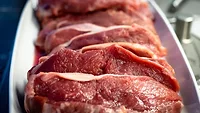
Red meat is a nutrient-dense, protein-rich food group with a healthy role in our diet. The business of producing red meat for food has a long checklist of actions to be taken to reduce its carbon footprint – and we know the ingredients for producing a sustainably commendable piece of (real) meat.

Consumers, quite rightly, have an influential hand in determining the future of farming through their purchasing preferences. For some, plant-based meat alternatives created in laboratories and manufactured in factories is becoming an acceptable choice. The milk industry has shown how consumer trends can force market leading companies out of business for not adapting to their changing needs and desires.

The artificial meat producers are seeking to position themselves in the market by calling farming “prehistoric” and predicting its near-term extinction. Livestock is a trillion-dollar global industry, there will be change, there will be disruption, consumers will force new behaviors, and farmers themselves need to adapt to changing landscapes and the transformation of food driven by climate imperatives and consumer preferences.

Consumers will also force the pace of change by making decisions based on product information.  Silver Fern Farms definition of sustainable starts with its Sustainable Chain of Care, right from your plate to the climate, clean air and plentiful rainwater that fuels year-round growth of lush, green pastures. The animals are raised year-round, on this pasture, with access if needed to conserved forages like hay and silage, made when there are surplus of grass on the farms they are grown on. It also means the animals have been raised with the ability to wander and graze freely. They eat and live as they would naturally – reducing stress and promoting better animal welfare. This means there is no reliance on bought in feed, antibiotics or hormones, just the feed that each farm can produce to feed the animals it grows. Consumers want to see these transparent qualities at their butcher and in the meat aisle of supermarkets.

For Silver Fern Farms the definition of sustainability will continue to evolve but the Sustainable chain of care forms a core and essential part of what we do, this involves:

  • Animals sourced from diverse landscapes with well-managed grazing systems balanced with vegetation that acts as a carbon sink offsetting methane emitted by livestock and providing valuable biodiversity, shade and shelter for animals 
  • Dedicated management to maintain water quality, land use matched to production that improves soil health and contributes to biodiversity
  • Strict adherence to best practices for animal welfare
  • Sustainability targets across all its processing sites to reduce energy and water use and improve the way we manage our wastewater
  • Reducing and eventually eliminating the use of coal at its processing facilities and focusing on the use of renewable energy
  • A primary focus on removing the use of resources, including plastic, from our supply chain and moving to recyclable packaging without compromising food safety or food waste

Above all, red meat producers need to declare their commitments to reducing greenhouse gas emissions. New Zealand as a country has already adopted a target of Net Zero Carbon by 2050 and New Zealand sheep and cattle farmers have reduced GHGs by 30% since 1990. Silver Fern Farms is the first red meat processor and marketer in New Zealand to verify its carbon footprint and adopt a carbon emissions reduction plan. Its working hard with a group of farmers to gain a deeper understanding of what drives methane emissions and what further opportunities exist to create carbon sinks on their farms that are in tune with biodiversity goals, native vegetation and red meat production.

Hominins first started eating meat 2.6 million years ago. We started cooking food about a million years ago. Cows were domesticated 10 millennia ago. Meat is a proven healthy human food. We’re 100% certain today’s red meat producers are making real progress towards a sustainable future.

KEYWORDS: silver fern farms

Share This Story

Looking for a reprint of this article?
From high-res PDFs to custom plaques, order your copy today!

Recommended Content

JOIN TODAY
to unlock your recommendations.

Already have an account? Sign In

  • Double Charburger

    Premiumization drives burger category

    Shoppers seek out premium meat offerings to fulfill...
    Beef
    By: Sammy Bredar
  • JJS Adult Pekin duck

    Poultry Report 2025: Convenience propels poultry at retail

    Despite continued economic pressures, the poultry...
    Meat and Poultry Industry News
    By: Sammy Bredar
You must login or register in order to post a comment.

Report Abusive Comment

Manage My Account
  • eMagazine Subscriptions
  • Manage My Preferences
  • Newsletters
  • Online Registration
  • Subscription Customer Service
  • Connect with The National Provisioner

More Videos

Sponsored Content

Sponsored Content is a special paid section where industry companies provide high quality, objective, non-commercial content around topics of interest to the The National Provisioner audience. All Sponsored Content is supplied by the advertising company and any opinions expressed in this article are those of the author and not necessarily reflect the views of The National Provisioner or its parent company, BNP Media. Interested in participating in our Sponsored Content section? Contact your local rep!

close
  • A smiling man carrying a grocery basket is reaching down to pick up a package of meat in a grocery store.
    Sponsored byPIC

    The Green Light: New Data Shows 12-to-1 Support for Pork from PRRS-Resistant Pigs

  • Close up of a grocery cart full of groceries, a cropped image of a couple pushing the cart and a blurred background of the vegetable aisle.
    Sponsored byPIC

    New Market Research Finds Consumers in Eight Key Pork Markets Are Likely to Purchase Pork from Gene-Edited Pigs

  • Close up of a young pig with a blurred background.
    Sponsored byPIC

    New Research Forecasts Significant Economic and Market Impacts with PRRS-Resistant Pig Adoption

Popular Stories

Various new Primal snack sticks on a table amongst pencils, apples, a pair of glasses, lunch bags and a water bottle.

Protein demand drives snacking occasions

Spam Dog

Hormel rolls out Spam hot dog for foodservice applications

Several cuts of beef, pork and chicken on a wooden board, cast iron pan and salt.

Validated thermal lethality data and a new tool for ensuring safety of RTE meats

2026 Top 100 Meat & Poultry Processors Report

Events

January 1, 2030

Webinar Sponsorship Information

For webinar sponsorship information, visit www.bnpevents.com/webinars or email webinars@bnpmedia.com.

View All Submit An Event

Products

Food Crime: An Introduction to Deviance in the Food Industry

Food Crime: An Introduction to Deviance in the Food Industry

See More Products
From Fresh to Frozen in 3 Minutes Flat: Unlocking the Secrets to Temperature Control Webinar Sponsored by Air Products

Related Articles

  • The National Provisioner News Briefs

    Silver Fern Farms, New Zealand’s largest red meat exporter, increases red meat supply to U.S.

    See More
  • Red meat

    US red meat industry turns out for Europe's largest food trade show

    See More
  • USMEF logo

    Food and Hotel Asia showcases US red meat

    See More

Related Products

See More Products
  • Handbook of Food Products Manufacturing: Health, Meat, Milk, Poultry, Seafood, and Vegetables, Volume 2

  • meat inspection.jpg

    Meat Inspection and Control in the Slaughterhouse

  • fermented.jpg

    Handbook of Fermented Meat and Poultry, 2nd Edition

See More Products

Events

View AllSubmit An Event
  • July 10, 2025

    Is Your Food Safety Plan Up to Date? Insights & Innovations Shaping Meat and Poultry Safety in 2025

    On-Demand Whether you're a processor, producer, or industry stakeholder, this is your chance to gain insider knowledge that will elevate your food safety practices from compliant to exemplary.
View AllSubmit An Event

Related Directories

  • Meat & Livestock Australia

    Meat & Livestock Australia is the marketing and research body for the Australian red meat industry. MLA's purpose is to deliver world-leading outcomes that fuel global competitiveness, sustainability and producer profitability.
  • American Meat Science Assn.

    The American Meat Science Association (AMSA) fosters community and professional development among individuals who create and apply science to efficiently provide safe and high-quality meat (defined as red meat (beef, pork and lamb), poultry, fish/seafood and meat from other managed species). AMSA is a broad-reaching organization of individuals that discovers, develops, and disseminates its collective meat science knowledge to provide leadership, education, and professional development.
×

Stay ahead of the curve. Unlock a dose of cutting-edge insights.

Receive our premium content directly to your inbox.

SIGN-UP TODAY
  • RESOURCES
    • Advertise
    • Contact Us
    • Directories
    • Store
    • Want More
  • SIGN UP TODAY
    • Create Account
    • eMagazine
    • Newsletter
    • Customer Service
    • Manage Preferences
  • SERVICES
    • Marketing Services
    • Reprints
    • Market Research
    • List Rental
    • Survey/Respondent Access
  • STAY CONNECTED
    • LinkedIn
    • Facebook
    • YouTube
    • X (Twitter)
  • PRIVACY
    • PRIVACY POLICY
    • TERMS & CONDITIONS
    • DO NOT SELL MY PERSONAL INFORMATION
    • PRIVACY REQUEST
    • ACCESSIBILITY

Copyright ©2026. All Rights Reserved BNP Media, Inc. and BNP Media II, LLC.

Design, CMS, Hosting & Web Development :: ePublishing