Provisioner logo
Provisioner logo
search
cart
facebook twitter linkedin youtube
  • Sign In
  • Create Account
  • Sign Out
  • My Account
Provisioner logo
Provisioner logo
  • NEWS
    • Industry News
    • Supplier News
    • Case Studies
    • Recalls
    • Regulations
    • New Consumer Products
  • EXCLUSIVES
    • Newsletters
    • Source Book
    • Sponsored Insights
    • Events
    • Webinars
    • Classifieds
    • White Papers
    • Provisioner Store
    • Market Research
  • MEAT PROCESSING
    • SUSTAINABILITY
    • Processing
    • Packaging
    • Ingredients
    • Formulation
    • Food Safety
    • Special Reports
    • Commentary
  • PROFILES
    • Processor Profiles
    • Processor of the Year
    • Top 100 Processors
  • MEDIA
    • Videos
    • Podcasts
  • DIRECTORY
  • MIHOF
  • INDEPENDENT PROCESSOR
  • EMAG
    • eMagazine
    • ARCHIVE ISSUES
    • Contact
    • Advertise
  • JOIN!
Meat and Poultry Industry NewsPlant Design/Management

Supplier's Perspective: Iron Mountain Refrigeration

Cold stress: Protecting workers in refrigeration environments

It’s imperative that those working with industrial freezers are able to recognize, treat, and most important prevent cold stress and its potential health impacts.
By Trevor Crivello
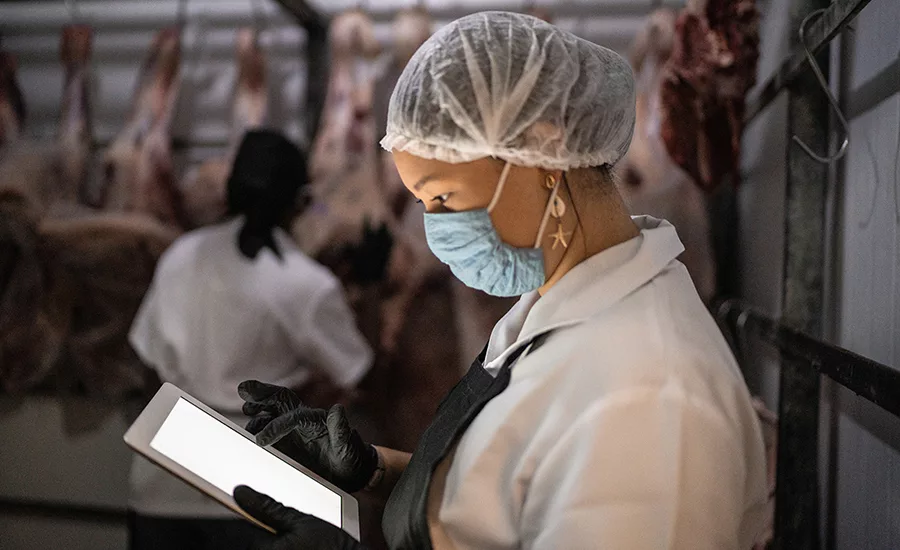
Female butcher using digital tablet with face mask at cold storage
Getty Images

Opening image credit: Getty Images / FG Trade

February 25, 2025

Working in refrigerated environments is difficult. To cope, many workers adopt a posture of bravado that might be risky in the long run. Mind over matter — more precisely, if you don’t mind, it doesn’t matter — works only so long when exposed to extreme cold.

After that, workers run the risk of cold stress, which is essentially a drop in core temperature occurring when the body loses heat faster than producing it. Consequences range from poor work performance to serious, long-lasting health implications and even death.

That’s why it’s imperative that those working with industrial freezers are able to recognize, treat, and most important prevent cold stress and its potential health impacts.

Risk factors in refrigerated environments

The likelihood of cold stress is increased when certain risk factors are present. These include:

  • improper clothing
  • dampness
  • physical exhaustion, generally poor physical condition, or preexisting health issues such as hypertension, hyperthyroidism, or diabetes

Cold stress-induced maladies to watch

The most common cold stress-related health issues are hypothermia, frostbite, trench foot, and chilblains. Here are their symptoms and treatment strategies:

Hypothermia — Though typically occurring at extremely cold temperatures, hypothermia, wherein body temperature drops below 95 degrees Fahrenheit, can occur at temperatures above 40 F if a person is chilled from sweat or other moisture. Mild symptoms include shivering, but in severe cases shivering will stop and the afflicted may lose coordination, become disoriented, or lose consciousness. Potentially fatal, steps to treat hypothermia include:

  • Move the person to a warm room.
  • Replace wet clothes with dry clothes and cover the body with blankets.
  • Place warm water bottles or hot backs around the person’s core (in armpits, at the sides or the chest, and around the groin).
  • If the person is unconscious, call 911.
  • If the person isn’t breathing, perform CPR until they respond or medical assistance arrives.

Frostbite — Freezing of the skin and the tissues beneath, frostbite typically impacts fingers, toes, hands, and feet. Amputation can result from severe cases. Symptoms include numbness, tingling, and waxy or blistered skin. To treat, follow the steps for hypothermia. Don’t rub, massage, or otherwise directly contact the impacted skin as this may cause more damage to the frozen tissue.

Trench foot — Also known as immersion foot, trench foot results from the constriction of blood vessels to the feet as a reaction to prolonged exposure to wet and cold conditions. Symptoms include cramping, swelling, numbing, blistering, or redness. Treatment options include:

  • Remove wet shoes and socks.
  • Gently dry the feet.
  • Call 911.

If possible, do not walk on afflicted feet to avoid further damage.

Chilblains — Repeated exposure to temperatures just above freezing can cause the painful inflammation of small blood vessels in the skin known as chilblains. Chilblains typically presents as inflamed swelling or blisters on the hands and feet, which sometimes appear hours after being in the cold. To ease the symptoms, keep the skin warm and dry. Typically not resulting in permanent injury, chilblains usually resolves in two to three weeks.

Prevention Is the key

Common sense measures are the best way to avoid cold stress.

Foremost is employee training and education. Employees must be informed on the dangers of cold stress, its signs, and remedies. Employers should underscore that the company prioritizes safe practices by making scheduling, staffing, and equipment maintenance decisions that reflect as much.

Employers must encourage safe work practices. Working in cold environments can cause dehydration, so warm, sweetened liquids and the time to consume them should be provided. Frequent breaks in warm areas should be scheduled or at the very least encouraged. Rotating workers and assigning work in teams wherever possible allows coworkers to keep an eye on each other. New workers and those coming back after an absence should be allowed to build up a tolerance to the environment by easing into the work with shorter stints at first.

Dressing for the job is essential. Layering with loose-fitting clothing is recommended. Moisture-wicking material (wool, silk, and synthetics) next to the body, an insulation layer, and a ventilated but moisture resistant outer later are recommended. Hats or hoods stop heat from escaping through the scalp. A knit mask or gator to cover the face to the nose, insulated and water-resistant gloves, and insulated, nonskid boots should all be considered.

Warm up to safety

A warm jacket and a tough attitude are not enough to ward off cold stress in highly refrigerated work environments. An approach that encompasses education, awareness, and planning will keep workers safe and employers better able to show compliance and avoid liability. A healthy workforce is a more productive one.

Trevor Crivello is the founder and president of Iron Mountain Refrigeration and has a decade of experience in commercial refrigeration. Iron Mountain Refrigeration supplies commercial refrigeration equipment to fast-casual restaurants ranging from small operations to large national chains. Crivello leads Iron Mountain Refrigeration with a passion for quality and a devotion to providing the highest level of customer service.

Sources

https://www.mayoclinic.org/diseases-conditions/chilblains/symptoms-causes/syc-20351097#:~:text=Chilblains%20(CHILL%2Dblayns)%20is,after%20being%20in%20the%20cold

https://www.allegrosafety.com/cold-stress-prevention-keeping-workers-warm-and-safe/

https://www.osha.gov/emergency-preparedness/guides/cold-stress

KEYWORDS: cold storage supplier's perspective worker safety

Share This Story

Looking for a reprint of this article?
From high-res PDFs to custom plaques, order your copy today!


Trevor Crivello is the founder and president of Iron Mountain Refrigeration and has a decade of experience in commercial refrigeration. Iron Mountain Refrigeration supplies commercial refrigeration equipment to fast-casual restaurants ranging from small operations to large national chains. Crivello leads Iron Mountain Refrigeration with a passion for quality and a devotion to providing the highest level of customer service.

Recommended Content

JOIN TODAY
to unlock your recommendations.

Already have an account? Sign In

  • Double Charburger

    Premiumization drives burger category

    Shoppers seek out premium meat offerings to fulfill...
    Meat and Poultry Industry News
    By: Sammy Bredar
  • JJS Adult Pekin duck

    Poultry Report 2025: Convenience propels poultry at retail

    Despite continued economic pressures, the poultry...
    Meat and Poultry Industry News
    By: Sammy Bredar
You must login or register in order to post a comment.

Report Abusive Comment

Manage My Account
  • eMagazine Subscriptions
  • Manage My Preferences
  • Newsletters
  • Online Registration
  • Subscription Customer Service
  • Connect with The National Provisioner

More Videos

Sponsored Content

Sponsored Content is a special paid section where industry companies provide high quality, objective, non-commercial content around topics of interest to the The National Provisioner audience. All Sponsored Content is supplied by the advertising company and any opinions expressed in this article are those of the author and not necessarily reflect the views of The National Provisioner or its parent company, BNP Media. Interested in participating in our Sponsored Content section? Contact your local rep!

close
  • A smiling man carrying a grocery basket is reaching down to pick up a package of meat in a grocery store.
    Sponsored byPIC

    The Green Light: New Data Shows 12-to-1 Support for Pork from PRRS-Resistant Pigs

  • Close up of a grocery cart full of groceries, a cropped image of a couple pushing the cart and a blurred background of the vegetable aisle.
    Sponsored byPIC

    New Market Research Finds Consumers in Eight Key Pork Markets Are Likely to Purchase Pork from Gene-Edited Pigs

  • Close up of a young pig with a blurred background.
    Sponsored byPIC

    New Research Forecasts Significant Economic and Market Impacts with PRRS-Resistant Pig Adoption

Popular Stories

Spam Dog

Hormel rolls out Spam hot dog for foodservice applications

Various new Primal snack sticks on a table amongst pencils, apples, a pair of glasses, lunch bags and a water bottle.

Protein demand drives snacking occasions

Several cuts of beef, pork and chicken on a wooden board, cast iron pan and salt.

Validated thermal lethality data and a new tool for ensuring safety of RTE meats

2026 Top 100 Meat & Poultry Processors Report

Events

June 11, 2026

From Fresh to Frozen in 3 Minutes Flat: Unlocking the Secrets to Temperature Control

Join Tony Vacaro, Foods Industry Manager, and Emile Klein, Foods Market Strategy Manager at Air Products and Chemicals, Inc. , as they tackle key questions surrounding heat removal in food processing. 

January 1, 2030

Webinar Sponsorship Information

For webinar sponsorship information, visit www.bnpevents.com/webinars or email webinars@bnpmedia.com.

View All Submit An Event

Products

Food Crime: An Introduction to Deviance in the Food Industry

Food Crime: An Introduction to Deviance in the Food Industry

See More Products
From Fresh to Frozen in 3 Minutes Flat: Unlocking the Secrets to Temperature Control Webinar Sponsored by Air Products

Related Articles

  • News Brief Feature

    JBS workers in Michigan plant approve union contract

    See More
  • Tyson to retrain all poultry workers in wake of latest undercover video

    See More
  • ICE arrests more than 140 workers in Ohio meat plants

    See More
×

Stay ahead of the curve. Unlock a dose of cutting-edge insights.

Receive our premium content directly to your inbox.

SIGN-UP TODAY
  • RESOURCES
    • Advertise
    • Contact Us
    • Directories
    • Store
    • Want More
  • SIGN UP TODAY
    • Create Account
    • eMagazine
    • Newsletter
    • Customer Service
    • Manage Preferences
  • SERVICES
    • Marketing Services
    • Reprints
    • Market Research
    • List Rental
    • Survey/Respondent Access
  • STAY CONNECTED
    • LinkedIn
    • Facebook
    • YouTube
    • X (Twitter)
  • PRIVACY
    • PRIVACY POLICY
    • TERMS & CONDITIONS
    • DO NOT SELL MY PERSONAL INFORMATION
    • PRIVACY REQUEST
    • ACCESSIBILITY

Copyright ©2026. All Rights Reserved BNP Media, Inc. and BNP Media II, LLC.

Design, CMS, Hosting & Web Development :: ePublishing