Finalized 10 year-study confirms benefit of cattle grazing
Study confirms cattle grazing can only benefit greater sage grouse through building robust habitat, increasing forage and reducing invasive grasses that lead to catastrophic wildfires.
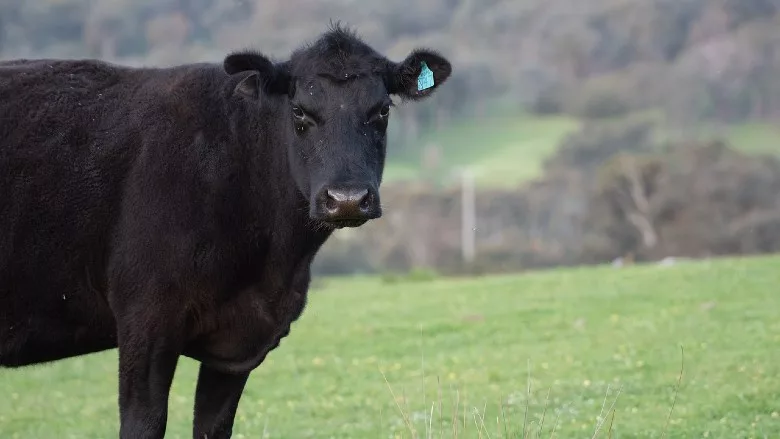
Black Angus cow
The University of Idaho is releasing the finalized results of their 10-year study looking into the impacts of grazing on greater sage grouse populations. The study concluded that cattle grazing does not negatively impact greater sage grouse and can only benefit the species through building robust habitat, increasing forage and reducing invasive grasses that lead to catastrophic wildfires.
The National Cattlemen’s Beef Association, Idaho Cattle Association, Public Lands Council and Idaho Public Lands Council have all highlighted the benefits of grazing and pushed back against anti-grazing myths for decades.
“This study finally proves what ranchers have been saying all along – livestock grazing benefits wildlife, native grasses and the overall landscape. This study also shows that the work and expertise of local stakeholders, including University researchers and federal grazing permittees, is crucial for conserving wildlife populations. Ranchers appreciate the decade of research conducted by the University of Idaho to reiterate the benefits of public lands ranching.” said PLC President Tim Canterbury.
“This study is another example of how cattle producers are the original conservationists and grazing cattle is a key component to maintaining the health of America’s treasured natural resources. Thank you to the University of Idaho for spending so much time debunking the unscientific myth that cattle grazing harms native wildlife” said NCBA President Buck Wehrbein.
“We are not surprised by the results, and believe the results in this important research will be a critical component in future grouse management moving forward. We commend the University of Idaho and US Geological service for pushing this across the finish line,” said Idaho Public Lands Board member and research partner Darcy Helmick.
In 2024, preliminary results of this 10-year study, led by University of Idaho Professor Courtney Conway, were released confirming that grazing benefits sage grouse populations and has no negative effects on nesting success. The finalized study reiterates the preliminary data that supports the benefits of grazing including increasing the biomass and diversity of insect species for food; reducing the risk of wildfire that can kill sage grouse and destroy habitat; reducing the volume of cheatgrass and other invasive grasses that degrade the sagebrush biome.
Looking for a reprint of this article?
From high-res PDFs to custom plaques, order your copy today!