Tech Topics: Ingredients
Trends shaping plant-based meat in 2026 and how formulators can keep up
Nature-based preservation systems can help manufacturers meet modern label expectations while delivering consistent performance.
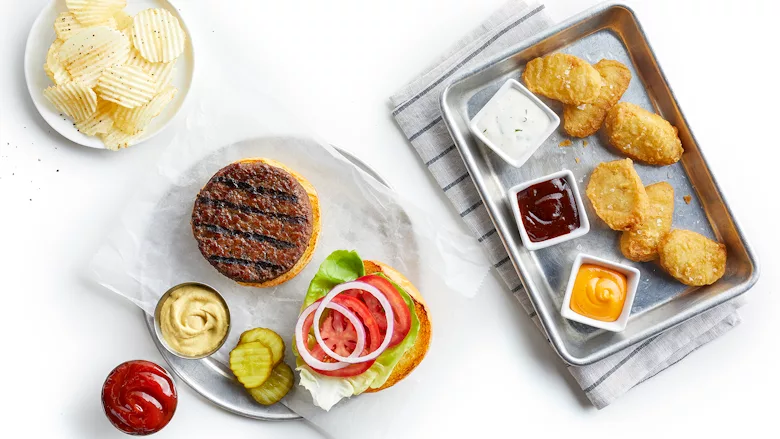
Plant-based meats have entered a new era. Consumers are not just asking for “meat-like.” They are asking for freshness they can trust, labels they feel good about, and flavors that deliver real culinary excitement, all at a price that makes repeat purchase possible. The challenge is that these expectations do not simply add marketing complexity. They add formulation complexity, too. As formulation complexity rises, so does the need for smart, nature-based approaches to protect quality, safety, and shelf life.
Trend 1: Freshness is no longer a nice-to-have. It is a buying trigger.
In plant-based meat, “fresh” is not just a refrigerated case cue. It is an experience: aroma, flavor stability, color, and texture that hold through distribution all the way to the consumer. Innova’s Category Survey 2026 ranks freshness as the #2 purchase driver in meat alternatives, behind price and ahead of health and flavor.¹ That is a powerful message for manufacturers. Freshness is part of the product promise, and it is closely tied to how well a product manages spoilage and quality degradation over time.
This matters because many plant-based meat formats are built on high-moisture, protein-rich systems with sensitive fat phases. Those conditions can invite spoilage, accelerate oxidation, and magnify variability from lot to lot in ingredient quality. In other words, consumers are expecting outcomes and freshness that require formulation teams to engineer stability more intentionally than ever.
Trend 2: Plant-based is shifting from imitation to nutrition and naturalness
The second major shift is a repositioning of plant-based from “imitation” toward nutrition-forward and “back-to-plants” naturalness. In a recent Innova trend survey, they found that plant-based is moving toward natural plant proteins and added benefits, rather than simply attempting to replicate meat.² For formulators, this trend can mean pressure to use more recognizable ingredients and simplify labels.
But “more natural” does not mean “less technical.” Removing or reducing familiar functional ingredients can shrink the margin for error on reliability and stability. If a brand’s promise is “closer to nature,” the preservation approach must align. That often means favoring nature-based solutions that support food safety and shelf life while fitting modern label expectations.
Trend 3: Flavor innovation is accelerating, and it adds variables
Flavor and food experience trends are moving fast, especially as plant-based meat competes for everyday relevance. A 2026 Innova category survey found rapid growth in meat-alternative flavor directions and consumer desire, including Japanese teriyaki (+43%), mushroom (+33%), and Mexican (+21%), among the fastest-growing flavors.¹
Culinary innovation is good news for consumer excitement. However, it can also complicate formulations and introduce new challenges for manufacturers. New seasonings, sauces, inclusions, and marinades can shift water binding, pH, oxidation sensitivity, and incoming microbial load. A product that performed well as a “plain burger” may behave very differently as a “teriyaki-style” or “mushroom-forward” platform, especially throughout the cold chain.
Formulation strategies that keep pace with trends
- Treat freshness as a formulation outcome, not a date code. If freshness is a purchase driver, the goal is not simply “make it to the sell-by date.” The goal shifts to protecting sensory quality throughout shelf life, including key freshness attributes such as aroma, color, and flavor. That is where antioxidant solutions can play a meaningful role, particularly in applications that are more prone to oxidative changes. Nature-based antioxidants, such as rosemary extract, are commonly used to help slow oxidation and support flavor stability. In practice, that can mean reducing the risk of stale or bitter notes or off-colors that undermine repeat purchases and damage brand trust. The best results come when antioxidant systems are selected with the whole formula in mind. Consider ingredients, fat type, processing intensity, packaging oxygen exposure, and expected distribution conditions.
- Build food safety and shelf life without sacrificing label goals. Plant-based developers often face simultaneous constraints: cleaner-label expectations, sodium-reduction efforts, and rapid iteration. In that environment, manufacturers benefit from solutions that work together rather than relying on a single lever to do everything. One label-friendly option is nature-based preservation solutions, including solutions that leverage vinegar to help control spoilage organisms and support food safety. Used thoughtfully, these approaches can support stability while aligning with consumer preference for familiar, nature-based ingredients.The key is balance. Preservation must protect safety and shelf life without adding harsh flavor notes or compromising texture. That is why many teams evaluate preservation as part of a larger formulation.
- Speed-to-market requires earlier risk visibility. The more quickly brands cycle innovation, such as new flavors, new bases, and new formats, the more important it becomes to identify risk earlier. This should happen before scale-up, before commercialization, and ideally before final label decisions lock you into limited options. This is where predictive modeling tools can help teams move faster with confidence. Predictive modeling can support early-stage food safety decisions by estimating microbial behavior under specific formulation conditions. That helps teams focus bench time where it matters most and reduces costly late-stage reformulation. A practical example is the Corbion Listeria Control Model (CLCM), a tool designed to help assess risk and inform food safety strategies earlier in the development process. In a trend-driven environment, that kind of early insight can help reduce time-to-market while still protecting the fundamentals: safe, reliable, and consistently fresh products.
The takeaway: Trend alignment is now inseparable from stability strategy
Plant-based meats are being judged by the same standards as the products they often compete with, sometimes higher ones. Freshness is a buying trigger.¹ Nutrition and naturalness are reshaping expectations.² Flavor innovation is accelerating.¹ Together, these trends raise the bar for formulation teams. It is not enough to make a great product on day one. It has to be great through distribution and at the moment of consumption.
Nature-based preservation systems can help manufacturers meet modern label expectations while delivering consistent performance. Pair freshness protection, such as antioxidants, with food safety support, such as recognizable nature-based solutions. When speed matters, predictive tools like the CLCM can help teams identify risk earlier and bring innovation to market faster, with confidence.
In plant-based meat, the new differentiator is not just what is on the label. It is what the consumer experiences when they open the pack.
Sources:
- Innova Category Survey 2026 (Average 35 countries), Innova Database.
- Innova Trends Survey 2026; Innova Meat, Dairy & Alternative Protein Survey 2025 (Average of 11 countries), Innova Database.
Looking for a reprint of this article?
From high-res PDFs to custom plaques, order your copy today!