RSS
RSS
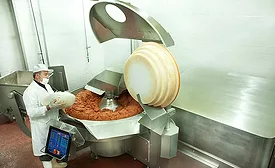
Meat and Poultry Processing

Food Safety
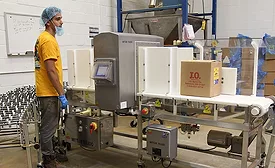
Preventing foreign-material contamination in meat and poultry processing
A 'fine' job: Foreign-material contamination can have a devastating effect on meat and poultry merchandising, but newer and more sophisticated technologies are enhancing food safety.
Read More


Co-Packing: A winning partnership
A brand with a vision and a processor with the expertise can make for an excellent co-packing partnership.
Read More
Processing Tech
Improved sanitation and design on slicers, dicers and cutters
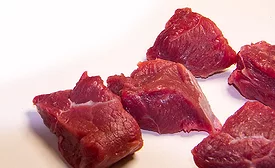
A cleaner cut: Improved sanitation and design is creating the slicers, dicers and cutters of the future.
Read More




Save the Date: ICoMST 2020, hosted by AMSA in Florida
Wendy Pinkerton gives an early preview of the conference, hosted in 2020 by the American Meat Science Association.
Read More

Processing Tech
Resource conservation in meat and poultry plants
Meat and poultry processors can reap a multitude of benefits by leveraging technologies and procedures that curb energy and water use.
Read More