Regional flavors, gut-healthy options, meats and more are on the menu for 2019, as Oklahoma State University's Robert M. Kerr Food and Agricultural Products Center (FAPC) selects the hottest food trends for the upcoming year.
While retailers and restaurants leverage the elements to enhance the flavor and texture of proteins, a greater consumer focus on healthy eating is forcing a shift in product ingredients if operators are to maximize activity.
There is a lot of attention being given to the topic of alternative protein — "meatlike" products — which is causing concern among some people involved in the traditional production of meat.
Ingredients that product developers add to meat and poultry to enhance taste, quality and texture are under review as more consumers and merchandisers seek wellness-oriented options.
The growing focus by shoppers and retailers on meat and poultry with clean labels is likely to trigger changes in substances that help to enhance product quality, including gums, binders and emulsifiers.
Meat substitutes are plant-based products that have the protein content, appearance and taste of real meat, meat-like textures, and highly beneficial compositions containing essential amino acids with low or no cholesterol.
The increasingly lengthier distance and time between slaughtering and consumption has created a demand for a variety of ways to safeguard meat and extend shelf life. Particular shelf-life extending ingredient groups have benefited from these demands.
Even with all of sodium chloride's multi-functions, more than a decade ago many food processors began a concerted effort to reduce salt in food products.
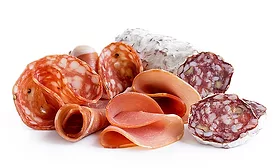
At the retail deli counter, lunchmeat has always been the cornerstone of what makes its way into lunchboxes, until recently. Lunchmeat is showing signs of struggle as consumers change the way they eat, especially around lunch.
Whether at home or in restaurants, marinades, brines and seasonings allow American consumers to explore new ethnic flavors or add some spice to their diets.
Driven by cleaner labels: The clean-label trend has propelled the use of antioxidant ingredients and had an impact in the antimicrobial ingredient world as well.
Antimicrobial and antioxidant seasonings and spices that are particularly growing in the meat and poultry industry are ones that appeal to consumers' cleaner label concerns.