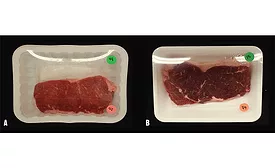
Consumers often associate a bright-red color with beef freshness and wholesomeness. Higher-than-normal-pH conditions are an example of a color deviation in which beef failed to have a bright-red color, leading to discounted carcasses and economic losses to the meat industry.
Be it on TV, in magazines, scrawled across social media feeds or somewhat bizarrely trumpeted as the hot new thing by multiple fast-food chains, plant-based meat alternatives are being hyped as save-the-day innovations ad nauseum. What's really going on here?
Allergens are a major cause of food recalls in the United States and can be devastating to a company. However, there are several things you can do to minimize the chance of your products being involved in an allergen recall.
Andy Hanacek, editor-in-chief, wants to know if you’re truly offering convenience items to the consumers you want to reach, or if you’re just offering products that fit the same old, “me too” standards. If you’re not offering convenience, you’re missing the target.
When I visit a processor for a cover story, I occasionally hear people tell me how lucky I am to be able to travel across the country and spend time with the companies I profile.
Protein options, refrigerated snacks, a new generation of foodies and more are on the menu for 2020, as the Oklahoma State University Robert M. Kerr Food and Agricultural Products Center selects the hottest food trends for the upcoming year.
From renewable natural gas infrastructure to improving zero-waste-to-landfill standard, find out how Smithfield Foods is in position to meet its goal to reduce greenhouse gas emissions 25% by 2025.
Religion and food go together like Easter and ham or Thanksgiving and turkey, but vegan activist groups are spinning scripture to persuade churchgoers to leave meat off their plate not just at every holiday, but at every meal.