Provisioner logo
Provisioner logo
search
cart
facebook twitter linkedin youtube
  • Sign In
  • Create Account
  • Sign Out
  • My Account
Provisioner logo
Provisioner logo
  • NEWS
    • Industry News
    • Supplier News
    • Case Studies
    • Recalls
    • Regulations
    • New Consumer Products
  • EXCLUSIVES
    • Newsletters
    • Source Book
    • Sponsored Insights
    • Events
    • Webinars
    • Classifieds
    • White Papers
    • Provisioner Store
    • Market Research
  • MEAT PROCESSING
    • SUSTAINABILITY
    • Processing
    • Packaging
    • Ingredients
    • Formulation
    • Food Safety
    • Special Reports
    • Commentary
  • PROFILES
    • Processor Profiles
    • Processor of the Year
    • Top 100 Processors
  • MEDIA
    • Videos
    • Podcasts
  • DIRECTORY
  • MIHOF
  • INDEPENDENT PROCESSOR
  • EMAG
    • eMagazine
    • ARCHIVE ISSUES
    • Contact
    • Advertise
  • JOIN!
Food SafetyPlant Design/ManagementSpecial Reports

2017 Food Safety Report

Designed to shine?: Sanitary design and construction

Facilities and equipment should be built or bought with sanitation and food safety at the top of the priority list.
By Jeff Mitchell
There are several basic design features that are considered essential for all types of food processing facilities
March 17, 2017

Cross-contamination from spoilage and pathogenic bacterium as well as food allergens are major concerns for food processors. Proper facility and equipment design is a preventive measure that can help reduce those risks.

Construction materials should be impervious materials such as stainless steel, plastic, rubber or sealed concrete which can be easily maintained, cleaned and sanitized. It also must be compatible with the product, environment and proposed cleaning methods.

The layout of the facility should lend itself to proper traffic control (e.g., an employee who works in a raw area should not walk through processing or packaging areas as part of his or her daily duties). The manufacturing environment is never going to be sterile, but the proper sanitary design can help eliminate niche areas where moisture and food soils collect and make effective cleaning and sanitizing less of a challenge.

Equipment should be designed to prevent entrapment of moisture as well as food particles and should be easily broken down to expose niche areas for inspection and cleaning without requiring special tools, remember the old adage, “If you can’t reach it or see it, you can’t clean it.”

Buy equipment that is fabricated to hygienic design standards (e.g., 3A or NSF) and ask the manufacturer to demonstrate how to properly break down the equipment for effective cleaning. If they can’t do it, how are you supposed to? Involving your cleaning chemical supplier is also a good idea for chemical compatibility and cleaning procedure development.

Floors and drains should not be ignored. The floors and drains are known sources of cross contamination that can occur from splash, aerosols created from high-pressure spray and from handling items that have come into contact with them. Floors should be designed with the proper slope to prevent pooling of water and constructed with a material not prone to flaking or cracking, which creates niches for bacterial growth.

Drains should be designed with screens and baskets to capture debris that could cause blockage or backups. Stationary processing equipment should not be placed over drains because of the cross-contamination potential.

Basic design features considered essential for all types of food processing facilities include:

  • Raw material receiving and storage area isolated from processing and packaging areas;
  • Tight-fitting and sealed roof vents, exhaust ports and doors to prevent water and pest intrusion;
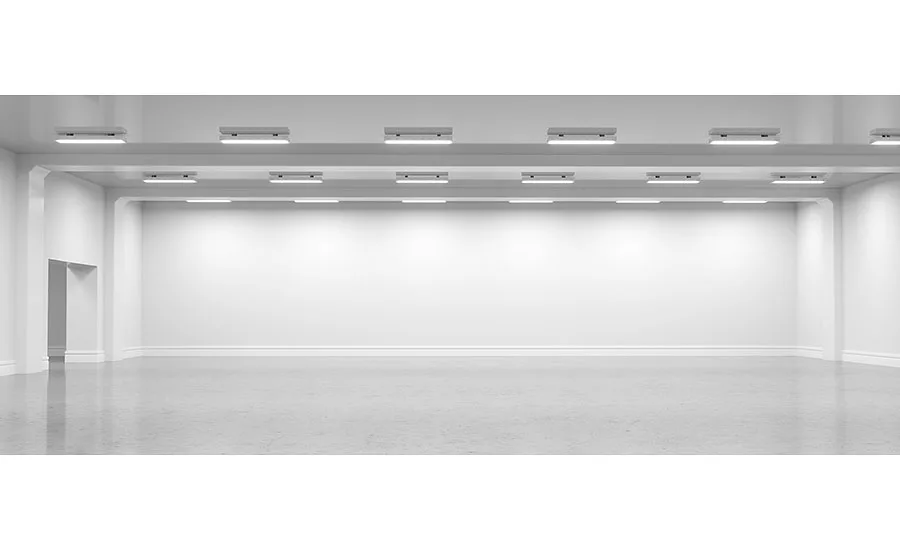
  • Walls, floors and ceilings constructed with impervious surfaces that are easily cleaned;
  • Floors sloped properly to drain rapidly and prevent pooling of water;
  • Drains constructed with a smooth, easily cleanable surface and adequate drainage capacity;
  • Waste disposal area located outside the facility with proper drainage and covered receptacles to discourage pest congregation.

Food safety issues associated with facility or equipment flaws could be avoided with proper research and communication. During the planning stages of construction and new equipment integration, forming a multi-disciplinary team to research and oversee the design, installation and maintenance of the facility infrastructure and equipment can help prevent many of the issues that may be realized after the project is complete. NP

KEYWORDS: sanitary meat plant design sanitation sanitation best practices

Share This Story

Looking for a reprint of this article?
From high-res PDFs to custom plaques, order your copy today!

Jeff Mitchell is vice president of Food Safety for Chemstar Corp., and will participate in a workshop at the Food Safety Summit titled Preventive Controls & SFTA: The Basics and Sustainment. For more information, visit www.foodsafetysummit.com.

Recommended Content

JOIN TODAY
to unlock your recommendations.

Already have an account? Sign In

  • Double Charburger

    Premiumization drives burger category

    Shoppers seek out premium meat offerings to fulfill...
    Special Reports
    By: Sammy Bredar
  • JJS Adult Pekin duck

    Poultry Report 2025: Convenience propels poultry at retail

    Despite continued economic pressures, the poultry...
    Turkey
    By: Sammy Bredar
You must login or register in order to post a comment.

Report Abusive Comment

Manage My Account
  • eMagazine Subscriptions
  • Manage My Preferences
  • Newsletters
  • Online Registration
  • Subscription Customer Service
  • Connect with The National Provisioner

More Videos

Sponsored Content

Sponsored Content is a special paid section where industry companies provide high quality, objective, non-commercial content around topics of interest to the The National Provisioner audience. All Sponsored Content is supplied by the advertising company and any opinions expressed in this article are those of the author and not necessarily reflect the views of The National Provisioner or its parent company, BNP Media. Interested in participating in our Sponsored Content section? Contact your local rep!

close
  • A smiling man carrying a grocery basket is reaching down to pick up a package of meat in a grocery store.
    Sponsored byPIC

    The Green Light: New Data Shows 12-to-1 Support for Pork from PRRS-Resistant Pigs

  • Close up of a grocery cart full of groceries, a cropped image of a couple pushing the cart and a blurred background of the vegetable aisle.
    Sponsored byPIC

    New Market Research Finds Consumers in Eight Key Pork Markets Are Likely to Purchase Pork from Gene-Edited Pigs

  • Close up of a young pig with a blurred background.
    Sponsored byPIC

    New Research Forecasts Significant Economic and Market Impacts with PRRS-Resistant Pig Adoption

Popular Stories

JBS USA logo

JBS USA closing pair of processing facilities

Various new Primal snack sticks on a table amongst pencils, apples, a pair of glasses, lunch bags and a water bottle.

Protein demand drives snacking occasions

Several cuts of beef, pork and chicken on a wooden board, cast iron pan and salt.

Validated thermal lethality data and a new tool for ensuring safety of RTE meats

2026 Top 100 Meat & Poultry Processors Report

Events

January 1, 2030

Webinar Sponsorship Information

For webinar sponsorship information, visit www.bnpevents.com/webinars or email webinars@bnpmedia.com.

View All Submit An Event

Products

Food Crime: An Introduction to Deviance in the Food Industry

Food Crime: An Introduction to Deviance in the Food Industry

See More Products
From Fresh to Frozen in 3 Minutes Flat: Unlocking the Secrets to Temperature Control Webinar Sponsored by Air Products

Related Articles

  • CRB logo 2022

    ENR ranks CRB among top design, construction firms for life sciences, food, beverage facilities

    See More
  • Anritsu responds to rising sanitary standards with X-ray systems featuring sanitary design

    See More
  • Sanitary Food Processing Facility

    Sanitary design leads to improved food safety

    See More

Related Products

See More Products
  • Food Plant Sanitation: Design, Maintenance, and Good Manufacturing Practices, Second Edition

  • food-crime.jpg

    Food Crime: An Introduction to Deviance in the Food Industry

  • GlobalData_logo_blue_header.png

    Frozen Meat (Meat) Market in the United States of America - Outlook to 2023...

See More Products

Events

View AllSubmit An Event
  • March 1, 2010

    Food Plant of the Future: Advancing Food Safety through Sanitary Design

    On demand Food and beverage companies work hard to consistently deliver safe products because they understand that the stakes are extremely high for the public and for their companies.
  • June 1, 2009

    Food Plant of the Future: Using Design to Increase Productivity and Drive Down Unit Costs

    On demand The need for food and beverage processors to drive down unit costs never ends. How can new/retrofitted plants be designed to optimize productivity?
View AllSubmit An Event
×

Stay ahead of the curve. Unlock a dose of cutting-edge insights.

Receive our premium content directly to your inbox.

SIGN-UP TODAY
  • RESOURCES
    • Advertise
    • Contact Us
    • Directories
    • Store
    • Want More
  • SIGN UP TODAY
    • Create Account
    • eMagazine
    • Newsletter
    • Customer Service
    • Manage Preferences
  • SERVICES
    • Marketing Services
    • Reprints
    • Market Research
    • List Rental
    • Survey/Respondent Access
  • STAY CONNECTED
    • LinkedIn
    • Facebook
    • YouTube
    • X (Twitter)
  • PRIVACY
    • PRIVACY POLICY
    • TERMS & CONDITIONS
    • DO NOT SELL MY PERSONAL INFORMATION
    • PRIVACY REQUEST
    • ACCESSIBILITY

Copyright ©2026. All Rights Reserved BNP Media, Inc. and BNP Media II, LLC.

Design, CMS, Hosting & Web Development :: ePublishing