Provisioner logo
Provisioner logo
search
cart
facebook twitter linkedin youtube
  • Sign In
  • Create Account
  • Sign Out
  • My Account
Provisioner logo
Provisioner logo
  • NEWS
    • Industry News
    • Supplier News
    • Case Studies
    • Recalls
    • Regulations
    • New Consumer Products
  • EXCLUSIVES
    • Newsletters
    • Source Book
    • Sponsored Insights
    • Events
    • Webinars
    • Classifieds
    • White Papers
    • Provisioner Store
    • Market Research
  • MEAT PROCESSING
    • SUSTAINABILITY
    • Processing
    • Packaging
    • Ingredients
    • Formulation
    • Food Safety
    • Special Reports
    • Commentary
  • PROFILES
    • Processor Profiles
    • Processor of the Year
    • Top 100 Processors
  • MEDIA
    • Videos
    • Podcasts
  • DIRECTORY
  • MIHOF
  • INDEPENDENT PROCESSOR
  • EMAG
    • eMagazine
    • ARCHIVE ISSUES
    • Contact
    • Advertise
  • JOIN!
Meat and Poultry ProcessingChickenTurkey

Farm to Plate

The importance of feathers in poultry production
By Brooke Bartz
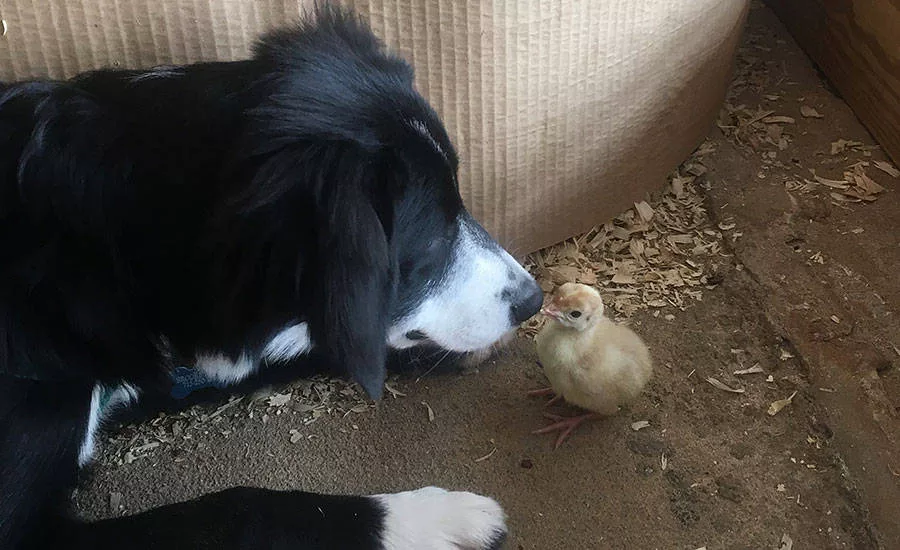
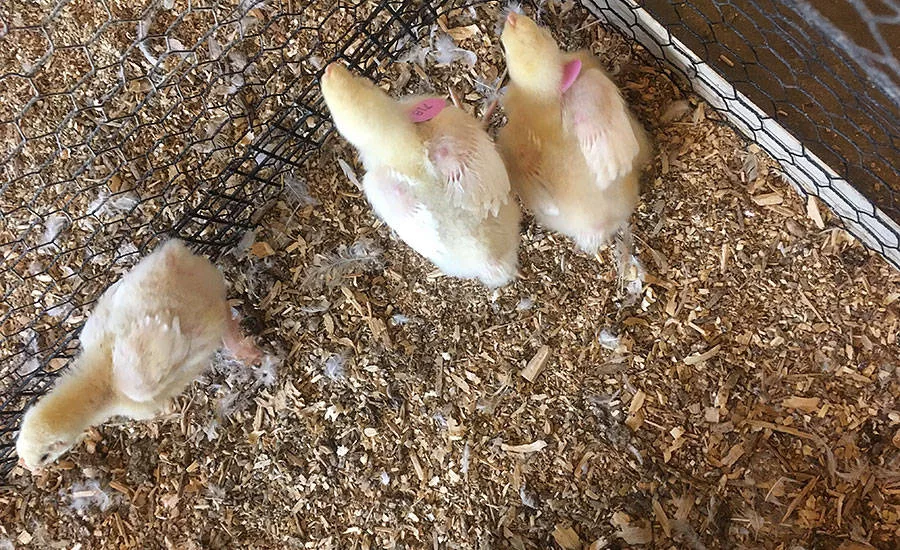
Feathers have value both for the live bird and in the poultry production process
Feathers serve an important and specific function during a bird's life
Feathers have value both for the live bird and in the poultry production process
Feathers serve an important and specific function during a bird's life
April 5, 2017

When it comes to poultry production, sometimes it is difficult to remember there are a lot of factors that play into why the industry is so successful. Because the major focus of commercial poultry operations has always been on the meat and eggs, we tend to forget about the little things happening behind the scenes that make the difference between a success and a failure. Genetic selection, nutrition, stocking density, well-being, social interactions between birds and many other factors play a role in the production processes; however, the forgotten hero in the mix is feathers and their importance in the production process.

Birds come into the harvesting plant with their feathers intact. Depending on the plant design, a multi-stage process is needed for feathers to be removed. After birds have gone through the exsanguination process, feather removal begins. This includes scalding, which is a hot water bath that loosens the feathers, followed by a rotation through the picker, which rapidly removes the feathers from the skin.

After picking, the feathers are collected, recycled and cleaned before being made into other products, such as feather meal or filling in down pillows. The uses are many and diverse. There are even applications for feathers as a reinforcement in concrete, and dyed feathers may be used for religious ceremonies. To the plant, feathers may seem more of a nuisance rather than a virtue, but they do have value and should be collected as a byproduct.

For the live bird, feathers serve an important physiological function, which is something that is not commonly thought of once the bird reaches the plant. Feathers may be necessary for flight and buoyancy, as seen in waterfowl, or for warmth, which can be seen in just about any species of bird. Feathering is a highly integrated process controlled in birds by complex interactions between the thyroid, gonads, brain and several environmental factors. Feathers are really an extension of the skin tissue, developed as keratinized epithelium derived from specialized follicles in the dermis. In addition, there are different areas on the bird where different feather types grow. Feathers grow in areas called the feather tracts, but there are also areas where feathers do not grow and these areas are called apteria.

Feather development tends to progress in three phases in avian species. First, the natal down are the soft feathers that appear fuzzy on hatchlings. These feathers are important for providing warmth during the first few weeks of life post-hatch when thermoregulatory functions are still developing. Second, the birds produce juvenile feathers, which are the transitional feathers that can last a various length of time depending on the bird’s needs, breed or species. The final phase is the adult feathers. As adults, birds have three types of feathers: plumules, the downy feathers of the abdomen; flioplumes, the hair-like feathers found in apteria areas; and contour feathers, which are located in all other areas on the bird.

At first glance, it is hard to identify why feathers are important to poultry production. When taking into consideration the bird was once a living organism, it is much easier to conclude it needed feathers for one important reason or another. As previously stated, warmth is imperative during early life and is provided by feathers. Birds can alter the position of the feathers to trap air between them to increase surface area and aid in thermoregulation. In addition, molt — both a natural occurring event and a management induced tactic — occurs mainly in egg-laying birds is an important step in production. 

Molt is a multi-stage process when egg laying ceases, old feathers are readily shed, and subsequent new feathers are grown. This process is affected by hormonal cascades from the brain, thyroid, ovary and adrenal cortex in laying hens. Several nutritional additives are available, including amino acid supplements, vitamins and ration formulations, to help birds recover faster from molt. But physiological makeup, environmental factors and bird sensitivity to changes, both social and environmental, can restrict how quickly birds will regain their feathers and restart egg production.

In addition, for both meat-type and egg-laying birds, feathers are important for physical protection. In turkeys especially, heavy toms exhibit behavioral changes once they reach sexual maturity and aggressive behaviors increase. Aggressive behaviors may be observed as severe pecking or using its feet to cut another bird. Therefore, maintaining proper feather coverage is necessary, since it aids against these attacks by protecting the skin from assault. Moreover, when birds lose their feathers and need to regrow them, they will be using nutritional resources that may have otherwise been used to increase meat yield. It is a teeter-totter effect on how many feathers a bird may need to grow and the meat composition of the bird.

Feathers are a quick and easy way to determine many physiological attributes that would otherwise require additional testing. For instance, if there is a major component missing in the ration, feather quality and quantity most likely will be decreased. A common issue that can spring up is an amino acid deficiency, which can cause the feathers to develop a concave shape, causing the feathers to bend away from the body. 

Although it may seem to be just an annoyance at the processing plant, it is important to remember those feathers served a specific function in the bird’s life. They supplied the bird with warmth and protection against environmental and social implications. Without feathers, the industry as we know it today may not be as successful without this behind-the-scenes player.

So, appreciate the lowly feather. Use it as an indicator of bird health and well-being. Be sure to recycle as much of the bird as possible, including the feathers, since that bird was harvested for our needs. NP

Share This Story

Looking for a reprint of this article?
From high-res PDFs to custom plaques, order your copy today!

Brooke bartz headshot

Brooke Bartz is a graduate student obtaining her PhD of Poultry Science degree at North Carolina State University. For more information, contact her at brookebartz13@gmail.com.

Recommended Content

JOIN TODAY
to unlock your recommendations.

Already have an account? Sign In

  • Double Charburger

    Premiumization drives burger category

    Shoppers seek out premium meat offerings to fulfill...
    Meat and Poultry Industry News
    By: Sammy Bredar
  • JJS Adult Pekin duck

    Poultry Report 2025: Convenience propels poultry at retail

    Despite continued economic pressures, the poultry...
    Turkey
    By: Sammy Bredar
You must login or register in order to post a comment.

Report Abusive Comment

Manage My Account
  • eMagazine Subscriptions
  • Manage My Preferences
  • Newsletters
  • Online Registration
  • Subscription Customer Service
  • Connect with The National Provisioner

More Videos

Sponsored Content

Sponsored Content is a special paid section where industry companies provide high quality, objective, non-commercial content around topics of interest to the The National Provisioner audience. All Sponsored Content is supplied by the advertising company and any opinions expressed in this article are those of the author and not necessarily reflect the views of The National Provisioner or its parent company, BNP Media. Interested in participating in our Sponsored Content section? Contact your local rep!

close
  • A smiling man carrying a grocery basket is reaching down to pick up a package of meat in a grocery store.
    Sponsored byPIC

    The Green Light: New Data Shows 12-to-1 Support for Pork from PRRS-Resistant Pigs

  • Close up of a grocery cart full of groceries, a cropped image of a couple pushing the cart and a blurred background of the vegetable aisle.
    Sponsored byPIC

    New Market Research Finds Consumers in Eight Key Pork Markets Are Likely to Purchase Pork from Gene-Edited Pigs

  • Close up of a young pig with a blurred background.
    Sponsored byPIC

    New Research Forecasts Significant Economic and Market Impacts with PRRS-Resistant Pig Adoption

Popular Stories

JBS USA logo

JBS USA closing pair of processing facilities

Various new Primal snack sticks on a table amongst pencils, apples, a pair of glasses, lunch bags and a water bottle.

Protein demand drives snacking occasions

Several cuts of beef, pork and chicken on a wooden board, cast iron pan and salt.

Validated thermal lethality data and a new tool for ensuring safety of RTE meats

2026 Top 100 Meat & Poultry Processors Report

Events

January 1, 2030

Webinar Sponsorship Information

For webinar sponsorship information, visit www.bnpevents.com/webinars or email webinars@bnpmedia.com.

View All Submit An Event

Products

Food Crime: An Introduction to Deviance in the Food Industry

Food Crime: An Introduction to Deviance in the Food Industry

See More Products
From Fresh to Frozen in 3 Minutes Flat: Unlocking the Secrets to Temperature Control Webinar Sponsored by Air Products

Related Articles

  • Meat platter

    The Importance of Reclosability in Meat Packaging

    See More
  • Digital illustration of bacteria

    The importance of post-recall Listeria control

    See More
  • Chicken Media Summit 2013: The importance of animal source foods

    See More

Related Products

See More Products
  • salmonela.jpg

    Controlling Salmonella in Poultry Production and Processing

  • emerging.jpg

    Emerging Technologies in Meat Processing: Production, Processing and Technology

See More Products

Related Directories

  • Meat Import Council of America Inc.

    The Meat Import Council of America (MICA) represents companies involved in importing meat products into the U.S. along all stages of the value chain. We have as members importers, end users, cold storage companies, customs brokers, trucking companies, freight brokers and forwarders, laboratories, market information and research firms, ocean carriers, ports, and re-exporters.
  • Midwest Poultry Federation

    The Midwest Poultry Federation (MPF), a 501(c)6 nonprofit organization, was founded in 1971 and held its first convention in Minneapolis in 1972. MPF’s primary purpose is to host an annual convention - called PEAK - emphasizing on-farm poultry production. The convention’s goal is to offer cutting-edge information to attendees through a balanced offering of exhibits and educational workshops.
  • U.S. Poultry & Egg Assn.

    U.S. Poultry & Egg Association is the world’s largest poultry association, representing the entire industry as an “All Feather” Association. Membership includes producers and processors of broilers, turkeys, ducks, eggs, breeding stock, and allied companies. USPOULTRY is also the managing partner for the International Production & Processing Expo (IPPE).
×

Stay ahead of the curve. Unlock a dose of cutting-edge insights.

Receive our premium content directly to your inbox.

SIGN-UP TODAY
  • RESOURCES
    • Advertise
    • Contact Us
    • Directories
    • Store
    • Want More
  • SIGN UP TODAY
    • Create Account
    • eMagazine
    • Newsletter
    • Customer Service
    • Manage Preferences
  • SERVICES
    • Marketing Services
    • Reprints
    • Market Research
    • List Rental
    • Survey/Respondent Access
  • STAY CONNECTED
    • LinkedIn
    • Facebook
    • YouTube
    • X (Twitter)
  • PRIVACY
    • PRIVACY POLICY
    • TERMS & CONDITIONS
    • DO NOT SELL MY PERSONAL INFORMATION
    • PRIVACY REQUEST
    • ACCESSIBILITY

Copyright ©2026. All Rights Reserved BNP Media, Inc. and BNP Media II, LLC.

Design, CMS, Hosting & Web Development :: ePublishing