Provisioner logo
Provisioner logo
search
cart
facebook twitter linkedin youtube
  • Sign In
  • Create Account
  • Sign Out
  • My Account
Provisioner logo
Provisioner logo
  • NEWS
    • Industry News
    • Supplier News
    • Case Studies
    • Recalls
    • Regulations
    • New Consumer Products
  • EXCLUSIVES
    • Newsletters
    • Source Book
    • Sponsored Insights
    • Events
    • Webinars
    • Classifieds
    • White Papers
    • Provisioner Store
    • Market Research
  • MEAT PROCESSING
    • SUSTAINABILITY
    • Processing
    • Packaging
    • Ingredients
    • Formulation
    • Food Safety
    • Special Reports
    • Commentary
  • PROFILES
    • Processor Profiles
    • Processor of the Year
    • Top 100 Processors
  • MEDIA
    • Videos
    • Podcasts
  • DIRECTORY
  • MIHOF
  • INDEPENDENT PROCESSOR
  • EMAG
    • eMagazine
    • ARCHIVE ISSUES
    • Contact
    • Advertise
  • JOIN!
Meat and Poultry ProcessingPackagingFood Safety

Tech | Processing

Post-Packaging pasteurization advances
By Elizabeth Fuhrman
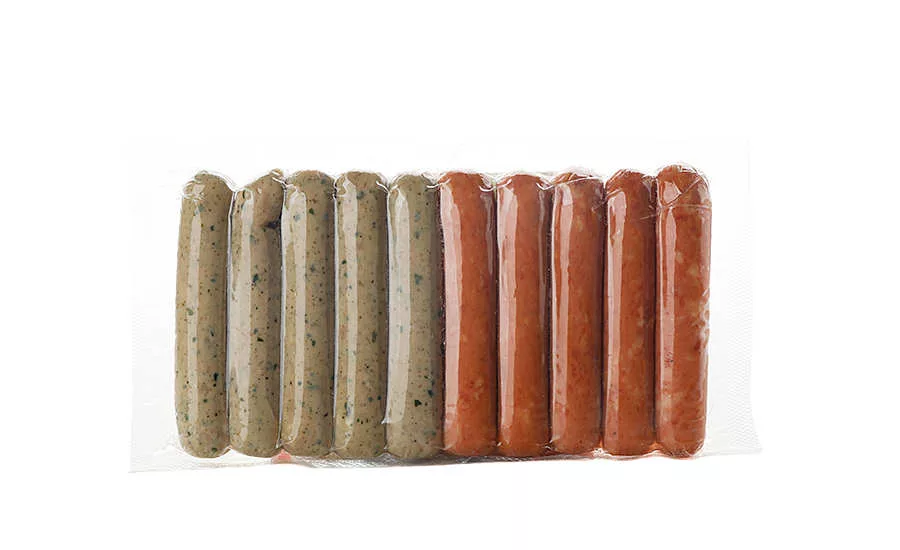
sausages in a package
July 30, 2020

Processors have several options for pasteurization, including high-pressure pasteurization (HPP), hot water, steam, hot air, infrared heat, radiofrequency and irradiation. Hot water, steam and HPP are the most popular, with HPP and hot water growing the fastest, says Wes Shilling, professor of food science at Mississippi State University in Mississippi State.

“Hot water is the easiest to implement and is very effective if the appropriate time and temperature is used,” Schilling says. “Systems are also available for hot water and steam that are placed in the production line and are able to both heat and cool the product. HPP is growing because it is becoming more available, does not expose the product to heat and some industry leaders have implemented it.”

HPP allows for a lethality procedure on products that would not handle a heat treatment well, such as packages of sliced, cooked meat products. Hot water and steam processes seem to have become less popular for post-packaging pasteurization of meat products. The two processes would be used primarily for larger diameter whole-muscle or chunked and formed products, says Lynn Knipe, extension processed meat specialist and associate professor at Ohio State University, in Columbus.

Rodrigo Tarté — assistant professor in meat science at Iowa State University, in Ames — sees processors more widely using thermal post-package pasteurization and HPP, depending on their process. Growing in use is the technology of cooking products in their final package, in which a product is partially cooked, placed in its final package and then cooked to lethality. This form of thermal post-package pasteurization is growing because it saves processors time and energy over standard pasteurization systems, he explains.

Applegate, a brand that focuses on producing clean-label products, primarily uses HPP for its ready-to-eat, refrigerated foods because they pose the greatest risk for pathogens, says Jim Graham, the brand’s vice president of research and development. “HPP gives us the best tool to preserve the freshness of our deli meat, bacon, hot dogs and dinner sausages without using additives or affecting the taste, texture or nutritional value,” he says. 


Understanding process

When considering post-packaging pasteurization options, some ingredients can be sensitive to thermal pasteurization. 

“You always have to understand the properties of an ingredient, and what process you are going to put it through,” Tarté says.

Processors also must work with packaging suppliers to make sure they are using packaging materials that can withstand HPP, hot water or thermal post-package pasteurization, he adds.

While the number of HPP processors in the industry has grown exponentially, it is still a relatively novel technology, which can make cost an issue. “Using HPP also can present some challenges with including value-adds to packaging like immediate redemption coupons,” Graham adds.

In addition to the cost of HPP equipment, the extra handing involved and the effect of the processes on quality — particularly the quality of sausage products — are still concerns for meat processors, Knipe says. “Many large companies have opted to use co-extrusion processes, which eliminate the need to expose cooked sausage products to the environment, prior to the packaging process,” he says. 
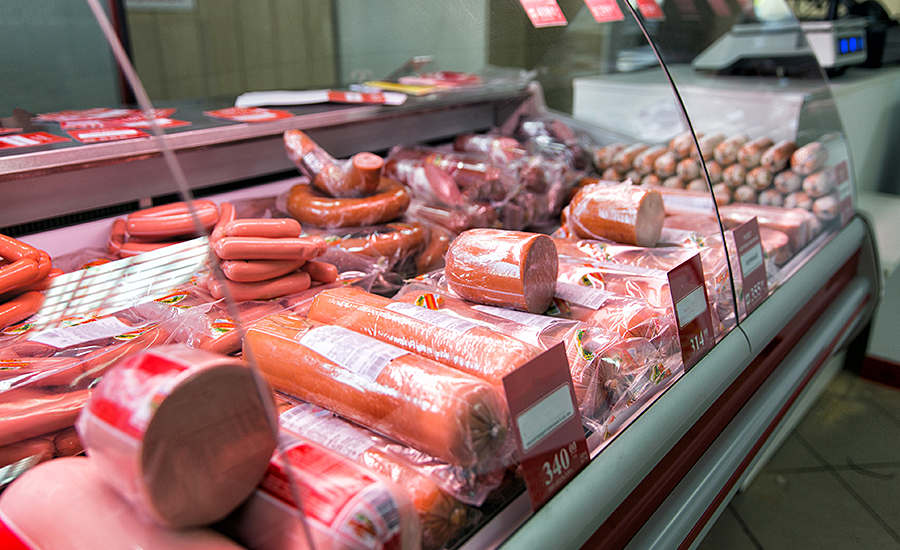
meats in a case

While maximizing production times can be challenging when implementing post-package pasteurization because of the added processing time, Shilling thinks use of HPP will increase, and that use of hot water will continue. He also thinks infrared and microwave heating may grow. Still, the greatest advancements are occurring with computers, technology and engineering, he says, along with the ability to place fully automated hot water and/or steam systems within the processing line that have the ability to both heat and cool.

Moving forward, Tarté also thinks more processors will continue to use post-package pasteurization because it’s been validated. “Especially when you think of the clean label trend of the last 10 to 15 years or so, it enables you to not have to rely on antimicrobial ingredients and to eliminate lactates, diacetates and organic acids from the ingredient statements,” he says.

While HPP has many benefits, such as increased shelf life and food safety, other emerging benefits of HPP include tenderization, color stability and replicating the aging process in some raw material. “That being the case, I think there can be other opportunities to use HPP beyond food safety and in the pursuit of developing great-tasting food with clean ingredient statements,” Graham says.

New advancements, including thermal or retort processing, and work being done in antimicrobial films also will benefit the industry as it strives to fulfill the increasing consumer demand for foods with clean ingredients, he adds. NP

KEYWORDS: high-pressure pasteurization hpp post-packaging pasteurization

Share This Story

Looking for a reprint of this article?
From high-res PDFs to custom plaques, order your copy today!

Elizabeth christenson 200x200
Elizabeth Fuhrman is a contributing writer.

Recommended Content

JOIN TODAY
to unlock your recommendations.

Already have an account? Sign In

  • Double Charburger

    Premiumization drives burger category

    Shoppers seek out premium meat offerings to fulfill...
    Meat and Poultry Industry News
    By: Sammy Bredar
  • JJS Adult Pekin duck

    Poultry Report 2025: Convenience propels poultry at retail

    Despite continued economic pressures, the poultry...
    Chicken
    By: Sammy Bredar
You must login or register in order to post a comment.

Report Abusive Comment

Manage My Account
  • eMagazine Subscriptions
  • Manage My Preferences
  • Newsletters
  • Online Registration
  • Subscription Customer Service
  • Connect with The National Provisioner

More Videos

Sponsored Content

Sponsored Content is a special paid section where industry companies provide high quality, objective, non-commercial content around topics of interest to the The National Provisioner audience. All Sponsored Content is supplied by the advertising company and any opinions expressed in this article are those of the author and not necessarily reflect the views of The National Provisioner or its parent company, BNP Media. Interested in participating in our Sponsored Content section? Contact your local rep!

close
  • A smiling man carrying a grocery basket is reaching down to pick up a package of meat in a grocery store.
    Sponsored byPIC

    The Green Light: New Data Shows 12-to-1 Support for Pork from PRRS-Resistant Pigs

  • Close up of a grocery cart full of groceries, a cropped image of a couple pushing the cart and a blurred background of the vegetable aisle.
    Sponsored byPIC

    New Market Research Finds Consumers in Eight Key Pork Markets Are Likely to Purchase Pork from Gene-Edited Pigs

  • Close up of a young pig with a blurred background.
    Sponsored byPIC

    New Research Forecasts Significant Economic and Market Impacts with PRRS-Resistant Pig Adoption

Popular Stories

JBS USA logo

JBS USA closing pair of processing facilities

Various new Primal snack sticks on a table amongst pencils, apples, a pair of glasses, lunch bags and a water bottle.

Protein demand drives snacking occasions

Several cuts of beef, pork and chicken on a wooden board, cast iron pan and salt.

Validated thermal lethality data and a new tool for ensuring safety of RTE meats

2026 Top 100 Meat & Poultry Processors Report

Events

January 1, 2030

Webinar Sponsorship Information

For webinar sponsorship information, visit www.bnpevents.com/webinars or email webinars@bnpmedia.com.

View All Submit An Event

Products

Food Crime: An Introduction to Deviance in the Food Industry

Food Crime: An Introduction to Deviance in the Food Industry

See More Products
From Fresh to Frozen in 3 Minutes Flat: Unlocking the Secrets to Temperature Control Webinar Sponsored by Air Products

Related Articles

  • Ham

    Benefits to post-packaging pasteurization

    See More
  • Packaged Sausages

    Options abound for processors who want a post-packaging pasteurization kill step

    See More
  • Post-packaging pasteurization: Using heat to reduce risk

    See More

Related Products

See More Products
  • advances.jpg

    Advances in Meat Processing Technology

  • Microbiology of Thermally Preserved Foods: Canning and Novel Physical Methods

  • Handbook of Meat Processing

See More Products
×

Stay ahead of the curve. Unlock a dose of cutting-edge insights.

Receive our premium content directly to your inbox.

SIGN-UP TODAY
  • RESOURCES
    • Advertise
    • Contact Us
    • Directories
    • Store
    • Want More
  • SIGN UP TODAY
    • Create Account
    • eMagazine
    • Newsletter
    • Customer Service
    • Manage Preferences
  • SERVICES
    • Marketing Services
    • Reprints
    • Market Research
    • List Rental
    • Survey/Respondent Access
  • STAY CONNECTED
    • LinkedIn
    • Facebook
    • YouTube
    • X (Twitter)
  • PRIVACY
    • PRIVACY POLICY
    • TERMS & CONDITIONS
    • DO NOT SELL MY PERSONAL INFORMATION
    • PRIVACY REQUEST
    • ACCESSIBILITY

Copyright ©2026. All Rights Reserved BNP Media, Inc. and BNP Media II, LLC.

Design, CMS, Hosting & Web Development :: ePublishing