State of the Industry 2023: Animal Welfare
Animal ag industry struggles to define sustainability
Animal agriculture in the U.S. has made leaps and bounds of progress toward emission reductions.
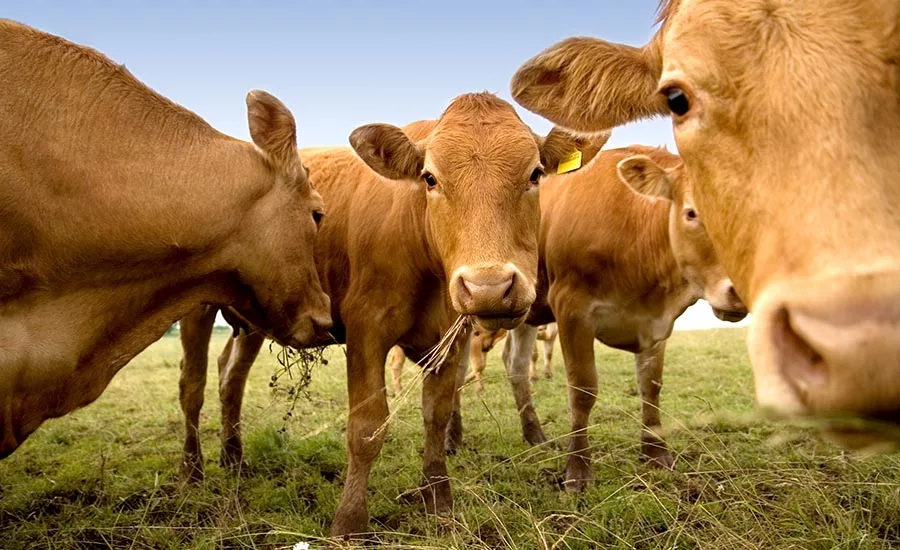
Opening image credit: GettyImages/shaunl/E+ Collection
Animal agriculture is a mature industry globally. Throughout millennia, livestock have been a source of food, fiber, and other life-sustaining products. Humankind has cared for animals and worked to improve the ways we grow and raise them while continuously improving genetics, resource use, animal care and handling, and sustainability. After all, healthy and comfortable livestock is a win-win-win for animals, people, and the planet.
Today, fewer people are connected to animal agriculture. Less than 2% of Americans work directly in agriculture, and the average person is three generations removed from the farm. Raising and caring for livestock looks extremely different than it once did. Agriculture has become a tech sector. This includes robotics, artificial insemination, RFID ear tags, GPS in tractors, anaerobic digesters, and the list goes on. Not only does agriculture rely on technology, but biosecurity and worker safety measures are stricter, food safety is more advanced, and the farm businesses are larger.
Most farms are not the picturesque storybook scenes consumers envision. The red barn with pigs rolling in the mud while a single Holstein grazes near the pond in the pasture. The horse looking out its stall of the barn to watch the wild geese in the pond while chickens scratch the ground at its feet. The older gentleman wearing overalls carries a bucket to the barn, leading a goat that found a weak spot in the fence. Here’s the problem – This picture is full of predator opportunities, parasites, biosecurity hazards, stereotypes, and sustainability missteps.
We are fortunate to live in a society where we have choices — including what foods we choose for ourselves and our loved ones. Today’s shopper, agriculture’s customer, is different than it was a generation ago. Our decision-making process has changed, and the foods we look for and eat are ever-shifting. A moving target is difficult to strike.
Alternative proteins
Alternatives to traditional meat and dairy have been a thorn in the side of animal agriculture. From court cases to define what can and cannot be labeled as “milk” or “meat,” to unsubstantiated “better for” claims regarding environment and animal welfare, alternative proteins make clickable headlines — good and bad. The reality shows alternative proteins are experiencing a decline in sales while experiencing soaring investments — $14.2 billion in private capital over the past decade. But all of the attention that is drawn to alternative proteins also puts a microscope on animal agriculture. Questions arise about the environmental sustainability of modern agriculture and the quality of life food animals experience before arriving on our dinner plate. Animal agriculture is proud of the sustainability advancements made in recent history, but the research and data doesn’t make a catchy headline. It’s also difficult to run an offense when alternative proteins do not have to adhere to the made-up rules animal agriculture does, like reporting and monitoring emissions, citing peer-reviewed studies, funding research to ensure continuous improvement, or creating quality-assurance and worker training programs to ensure the best care for animals.
Alternative proteins are just that — an alternative, not a replacement or interchangeable. Alternatives cannot compete with the nutrition of food animal protein important to the human diet.
Sustainability
While we do not fully know the environmental footprint of alternative proteins, we certainly do know about animal agriculture’s contributions. If you asked a person involved in animal agriculture, “What is the one consumer concern that keeps you up at night?” Their answer would probably be related to sustainability.
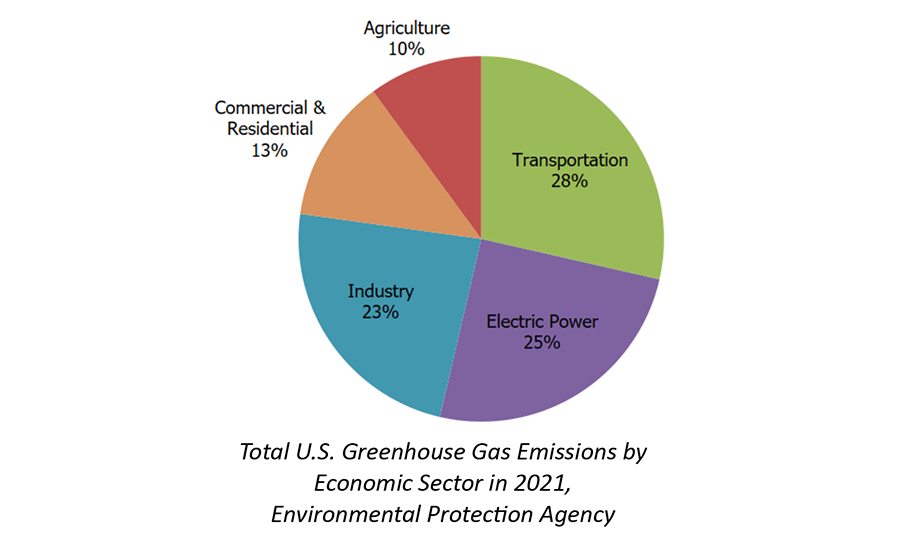
Why? Animal agriculture in the U.S. has made leaps and bounds of progress toward sustainability goals and emission reductions. In the U.S., agriculture accounts for 10% of the greenhouse gas emissions, the smallest of all sectors aggregated. When compared to global emissions, agriculture contributes 14.5 % of emissions. U.S. agriculture is doing a lot of things well when it comes to improving efficiency. We’ve been able to do more with less.
Last year at NIAA’s annual conference, a small group from the Advanced Training in Animal Agriculture Leaders program presented their capstone project focused on sustainability in animal agriculture. The leaders spent months compiling organizational information and policies, sustainability metrics, and peer surveys. The small group was fascinated by the amount of research studies that were available, but came to the conclusion that our industry as a whole is not measuring sustainability by the same standards. There are no widely agreed upon metrics to measure the success of sustainability policies.
In order for sustainability to work — for everyone — it must balance on a three-legged stool, each leg representing a crucial component: environmental, economic, and social sustainability.
Trust
Farmers and ranchers, by nature, are stewards of the land and care about animal health and well-being. If they don’t care for the land and the animals, their businesses don’t continue to exist. Likewise, the farming operation must be economically sound to continue to exist. This is a difficult dilemma to communicate to a broad public that does not financially depend on the business decisions of the farmer. Luckily, most consumers trust farmers. Consumers consistently rank farmers and ranchers at the top of trustworthy sources about the food supply. That is an interesting fact, considering only one-quarter of U.S. adults strongly trust information on how food is grown. That is what we call the trust gap. But it presents an opportunity for animal agriculture to move forward on the journey of continuous improvement. We have a great history of improving the food supply. Now, we must focus on bringing the consumer with us and allowing them to be part of the journey.
Morgan J. Young is director of communications and outreach for the National Institute of Animal Agriculture.
Looking for a reprint of this article?
From high-res PDFs to custom plaques, order your copy today!