Value for US beef from exports to China difficult to replace through domestic sales alone
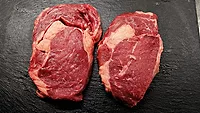
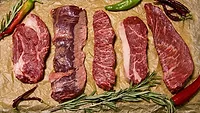
Producers do not benefit when clods, chuck rolls or inside rounds originally destined for China are instead sold at grinding value domestically.
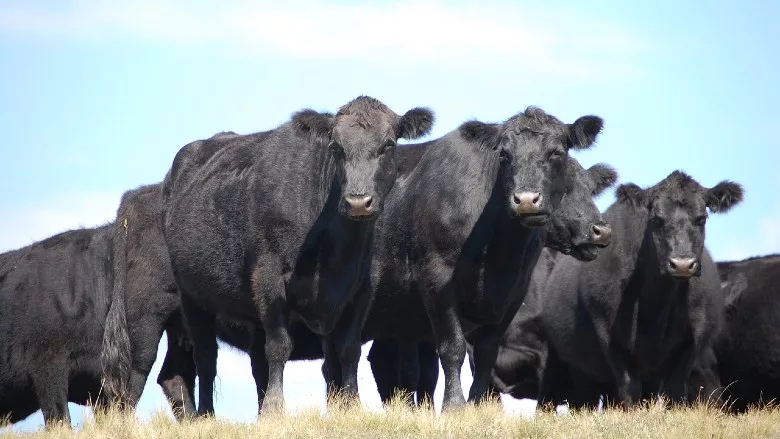
Image by Julia Nigh from Pixabay
A month ago, we wrote about the price risk that a tariff war would pose for cattle producers. Now there is more clarity, and unfortunately, the concerns we highlighted in March persist—one could argue the risks have multiplied. The 90-day suspension of retaliatory tariffs has created an opportunity to negotiate with key markets, such as Japan and South Korea. However, the trade war with China has escalated, impacting sales to the third-largest market for U.S. beef and the largest market for U.S. cattle hides.
Our goal is not to make a political statement — clearly, there are broader issues at play than beef or agricultural exports—but it is important to recognize the potential impacts in order to prepare for what lies ahead.
China is now the biggest beef buyer in the word — by a large margin. In 2024, China imported 8.3 billion pounds of beef from the global market. Japan, the second-largest importer, purchased 1.6 billion pounds. Back in 2010, Japan was buying roughly the same volume it is today, while China’s imports were far smaller, around 84 million pounds. The US administration scored a major win for American producers in 2020 by opening the Chinese market to US beef. In just a few years, China became the third-largest market for US beef. Last year, China purchased 562 million pounds (carcass weight) — about 19% of all US beef exports and 2.5% of total US fed beef production — with a total export value exceeding $1.5 billion.
Additionally, China was by far the largest buyer of US cattle hides, importing more than 12 million whole hides— 65% of all US hide exports — valued at $400 million. Combined beef and hide exports to China represented about $64 per head in 2024, value that will be difficult to replace through domestic sales alone, especially in a saturated market.
Higher tariffs on imported beef may offer some support. However, producers do not benefit when clods, chuck rolls, or inside rounds originally destined for China are instead sold at grinding value domestically. As for hides, prices may need to decline substantially to offset the impact of the new Chinese tariffs on U.S. goods.
Our hope is that the current situation proves to be a short-term disruption that ultimately leads to greater market access in China and elsewhere. The alternative—a shrinking customer base—would mean a smaller industry overall.
Looking for a reprint of this article?
From high-res PDFs to custom plaques, order your copy today!