Tech Topics: Sodium Reduction
Shaking up sodium reduction: Smart strategies for meat processors
While there are no silver bullets when it comes to sodium reduction, solutions like potassium chloride can go a long way.
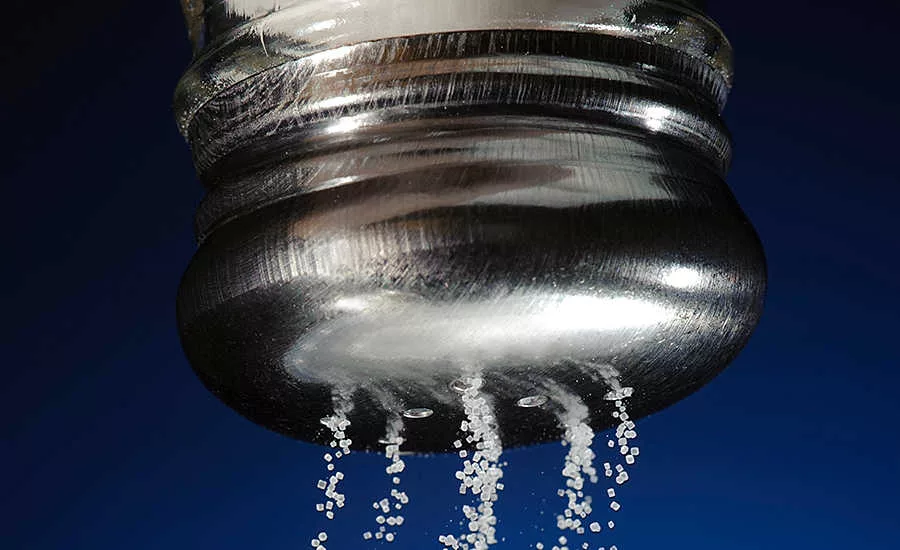
For centuries, salt has been a cornerstone of meat preservation and flavor enhancement, ensuring everything from cured hams to smoked sausages remained safe and delicious. But today, health concerns have made it clear – too much of a good thing can be a problem.
While sodium is considered an essential nutrient for the human body, the Centers for Disease Control and Prevention (CDC) say consuming too much sodium can increase blood pressure, leading to increased risk of heart disease and stroke.1 That reality has health-conscious consumers and public health experts paying more attention to sodium intake. For the meat and poultry industry, this scrutiny presents a challenge: reduce salt without sacrificing taste, functionality or food safety.
Why sodium reduction matters
The numbers speak for themselves – most Americans consume far more sodium than recommended. According to the U.S. Food and Drug Administration (FDA), adults consume on average 3,400 mg of sodium per day, nearly 50% more than the 2,300 mg daily limit recommended by federal guidelines.2 Adding to the challenge, more than 70% of sodium intake comes from outside the home.2
Recognizing the public health implications, the FDA is challenging food manufacturers and foodservice providers to adopt gradual reductions in sodium content in food. Now in its second phase, the FDA’s latest voluntary sodium-reduction targets aim to help Americans lower their intake to approximately 2,750 mg per day— an additional 20% decrease from the agency’s initial phase 1 goals.2
These guidelines set category-specific benchmarks to encourage reductions across different food product categories. For instance, the sales-weighted average sodium concentration level for chicken nuggets is 500 mg per 100 grams, with an upper limit of 750 mg per 100 grams. Cooked sausages have a slightly higher target; while fresh chicken breasts have lower targets.3 Through this gradual, iterative process, the FDA aims to encourage sodium reduction while maintaining consumer acceptance.
Nonetheless, meeting these voluntary targets requires a deep understanding of sodium’s role in the product formulation and a knowledgeable ingredient partner. In meat and poultry products, salt plays many functional roles, influencing everything from flavor and yield to microbial control. As processors rachet up sodium reductions, the challenges multiply.
A proven solution
One of the most common swaps is replacing sodium chloride with potassium chloride. Extensive research confirms it is currently one of the most effective sodium-reduction solutions.
From a food safety perspective, both sodium chloride and potassium chloride play a synergistic role – along with pH and other ingredients such as vinegar, they help inhibit the growth of spoilage and pathogenic bacteria.
Their similarities extend to sensory considerations. Both ingredients help retain moisture in meat products, improving texture and maintaining juiciness. They also interact with proteins in similar ways, unwinding protein molecules and contributing to mouthfeel and overall texture.
Of course, sodium is best known for its salty taste and contributions to flavor enhancement. With potassium chloride, manufacturers maintain similar attributes, all while reducing the sodium content by up to 50%, depending on the formula or application. And, thanks to updated labeling guidance from the FDA, potassium chloride can appear on food labels as “potassium salt,” a more consumer-friendly ingredient name.
It’s also worth noting that the majority of Americans under consume potassium, which is also an essential nutrient. According to the CDC and the American Heart Association, increasing potassium intake can help lower blood pressure and counteract the effects of a high sodium intake on blood pressure, particularly in hypertensive individuals.4,5,6 Using potassium chloride can help food manufacturers not only reduce sodium, but also boost the potassium content of their products
Sodium reduction success stories
Ultimately, however, our success as an industry hinges on consumer perception. While some consumers actively seek lower-sodium options, they all expect the same taste experience. Solutions like potassium chloride, coupled with strategic formulation adjustments, help bridge this gap. The proof is in the application. Processors across different meat and poultry categories are successfully reducing sodium, while maintaining product quality and taste. Here’s how these strategies work in real-world formulations:
Grilled chicken fillet
We’ve helped food manufacturers reduce sodium in grilled chicken fillets, cutting the sodium by 25% per serving without affecting overall liking and acceptance of the product. 7 Because potassium chloride is so similar to sodium chloride, it can be used as a 1:1 replacement, without impacting taste, texture, food safety or other functionality. Using a consumer sensory panel, we confirmed that the reduced-sodium product achieved the same consumer acceptance as the full-salt control.
Beef jerky
Popular meat snacks like beef jerky contain relatively high levels of sodium, but they are also packed with spices and seasonings. This makes it possible to achieve up to 50% reduction in sodium per serving, using a combination of potassium chloride and sodium chloride.7 Even at these high rates, consumers didn’t taste the potassium chloride amidst all the other flavors in the product. This sodium reduction solution has the added benefit of increasing the product’s potassium content, in this case, by nearly 300% per serving.
Chicken nuggets
Sometimes, we can use formulation tricks to enable deeper sodium reductions. For example, in chicken nuggets, we’ve found that using salt in the breading lets us use more potassium chloride within the nugget formulation without negatively impacting the flavor. The topical salt in the batter and breading delivers the flavor experience consumers expect and masks the off-notes from the high levels of potassium chloride in the substrate. This approach enables brands to cut sodium without impacting consumer likeability or processing yields.
While there are no silver bullets when it comes to sodium reduction, solutions like potassium chloride can go a long way. By combining the right ingredients with smart formulation strategies, meat processors can create products that meet both regulatory standards and consumer expectations — proving that less salt doesn’t have to mean less satisfaction.
References
1 Centers for Disease Control and Prevention (CDC). “Tips for reducing sodium intake.” Jan. 31, 2024. https://www.cdc.gov/salt/reduce-sodium-intake/index.html
2 U.S. Food & Drug Administration. “Sodium reduction in the food supply.” Nov. 1, 2024. https://www.fda.gov/food/nutrition-food-labeling-and-critical-foods/sodium-reduction-food-supply
3 U.S. Food & Drug Administration. “Draft guidance for industry: Voluntary sodium reduction goals (edition 2).” August 2024. https://www.fda.gov/regulatory-information/search-fda-guidance-documents/draft-guidance-industry-voluntary-sodium-reduction-goals-edition-2
4 National Institute of Health. “Dietary Data brief No. 47: Potassium intake of the U.S. population.” September 2022. https://www.ncbi.nlm.nih.gov/books/NBK587683/
5 Centers for Disease Control and Prevention (CDC). “Effects of Sodium and Potassium.” Jan. 31, 2024. https://www.cdc.gov/salt/sodium-potassium-health/index.html#:~:text=Limiting%20sodium%20intake%20is%20especially,for%20heart%20disease%20and%20stroke.
6 American Heart Association (AHA). “A Primer on Potassium.” https://www.heart.org/en/healthy-living/healthy-eating/eat-smart/sodium/potassium
7 Cargill proprietary research.
Looking for a reprint of this article?
From high-res PDFs to custom plaques, order your copy today!