Mitigating risk and maintaining compliance at the meat processing plant
How can processors best address sanitation concerns at the meat plant?
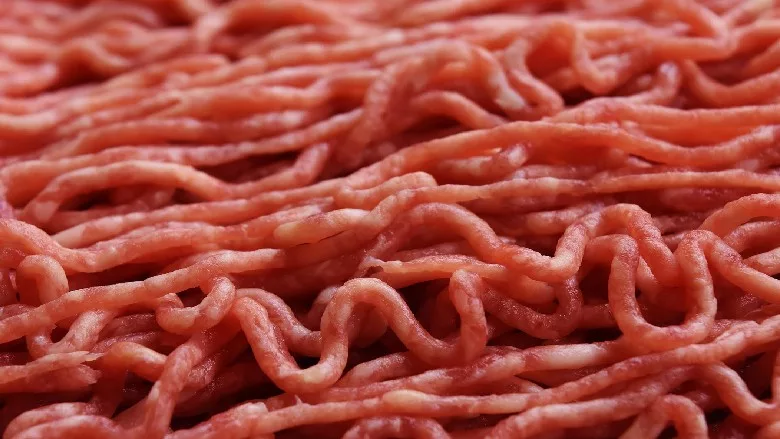
Ground beef
Photo courtesy of Alexa/Pixabay
Meat and poultry processors have some of the most stringent hygiene concerns in the food production industry. With a combination of strict hygiene regulations and a need for constant washdowns and contamination prevention, sanitation concerns are a main priority at the processing plant. Feraas Alameh, market segment manager – food and beverage for Sherwin-Williams Protective & Marine, sat down with us to share his expert perspectives on strategies to help meat and poultry processors mitigate risk and maintain compliance.
 Feraas Alameh. Photo courtesy of Sherwin-Williams Protective & Marine
Alameh has nearly 15 years of experience in the coatings industry, working in various market segments with an emphasis on front-end innovation and business and market strategy. He earned his bachelor’s degree from Cleveland State University and has completed continuing education programs at the Weatherhead School of Management at Case Western Reserve University and the Fisher College of Business at The Ohio State University.
The National Provisioner: What are some of the most demanding conditions for protein processing facilities?
Feraas Alameh: Protein processing facilities are some of the harshest environments in the food industry. These spaces require durable, slip-resistant flooring that can withstand constant foot and equipment traffic, along with frequent high-pressure, high-temperature washdowns. Wall and ceiling coatings must hold up under these same aggressive cleaning routines, including exposure to harsh chemical cleaners that are necessary to maintain stringent hygiene standards. The coatings need to be resistant to these chemicals to prevent deterioration and ensure long-term performance and compliance with strict USDA, FDA and other food safety regulations. Maintaining energy efficiency in cold storage and processing areas is also a concern as companies work to decrease their expenses and achieve their sustainability goals. In addition, exterior elements like roof coatings play a role in facility hygiene and protection, safeguarding against leaks that could introduce moisture, bacteria or structural damage.
The National Provisioner: How can meat and poultry processors best address strict hygiene regulations?
Feraas Alameh: To meet stringent hygiene standards, meat and poultry processors need a facility-wide approach to surface protection. This includes high-performance coatings for floors, walls, ceilings, roofs and equipment surfaces that can withstand rigorous cleaning, resist microbial growth and prevent water intrusion. Seamless, non-porous coatings minimize harbor points for bacteria, while corrosion-resistant finishes extend the life of surfaces exposed to moisture and chemicals. By implementing these solutions alongside proactive maintenance and regular site surveys, processors can maintain compliance, reduce contamination risks and protect long-term facility integrity.
The National Provisioner: How can partnerships help protein processors address these demanding conditions and regulatory requirements?
Feraas Alameh: A strong partnership with an experienced coatings provider is key to navigating the complex demands of protein processing environments. A knowledgeable partner can conduct detailed site surveys to pinpoint vulnerabilities and recommend targeted, compliant solutions. They assist with project planning, budgeting and scheduling to minimize operational downtime and ensure work is performed in line with current regulatory standards. Additionally, having technical experts on-site during and after installation helps guarantee proper application and performance, reducing the risk of hygiene or safety issues later. This collaborative approach supports processors in maintaining operational efficiency and regulatory readiness.
The National Provisioner: What are some best practices to maintaining long-term facility performance and safety?
Feraas Alameh: Ensuring long-term performance and safety starts with a proactive, preventive mindset. Staying ahead of potential issues is essential for protecting food safety and operational efficiency. Regular site surveys help identify wear, damage or early signs of failure – like cracking floors, peeling coatings or corrosion – before they escalate into costly problems or food safety risks. A preventive maintenance plan which includes routine cleaning, equipment maintenance and timely repairs helps to ensure all critical surfaces remain hygienic, slip-resistant and compliant with food safety regulations. Preventive maintenance not only reduces the risk of contamination but also helps extend the life of facility assets and minimizes unplanned downtime. Coordinating closely with general contractors, coatings installers and facility managers on project timing and budgets also helps avoid unexpected downtime or compliance gaps. This kind of forward-planning approach preserves structural integrity, supports food safety and extends the life of a facility.
The National Provisioner: How can meat and poultry plant workers best help to ensure cleanliness, contamination prevention and general safety?
Feraas Alameh: Maintaining cleanliness, contamination prevention and safety in meat and poultry facilities requires coordination across every level of the operation. Frontline workers play a vital role by following cleaning protocols, practicing good hygiene and reporting issues like cracked floors, peeling coatings or water intrusion. Facility managers are responsible for setting hygiene standards, overseeing sanitation procedures and conducting regular inspections, while maintenance managers manage proactive maintenance programs to keep critical surfaces and coatings intact. Facility owners and leadership teams can support these efforts by investing in durable, food-safe coatings and fostering a culture where proactive maintenance and shared responsibility for safety are encouraged. Together, these roles help ensure a clean, compliant and efficient processing environment.
Feraas Alameh is the market segment manager – food and beverage for Sherwin-Williams Protective & Marine. He is a seasoned business professional with nearly 15 years of experience in the coatings industry, leading various market segments with an emphasis on front-end innovation and business and market strategy. He earned his bachelor’s degree from Cleveland State University and has completed continuing education programs at the Weatherhead School of Management at Case Western Reserve University and the Fisher College of Business at the Ohio State University.
Looking for a reprint of this article?
From high-res PDFs to custom plaques, order your copy today!