On the rise: America's protein obsession
Data from the International Food Information Council finds most consumers still do not know how much protein they actually need.
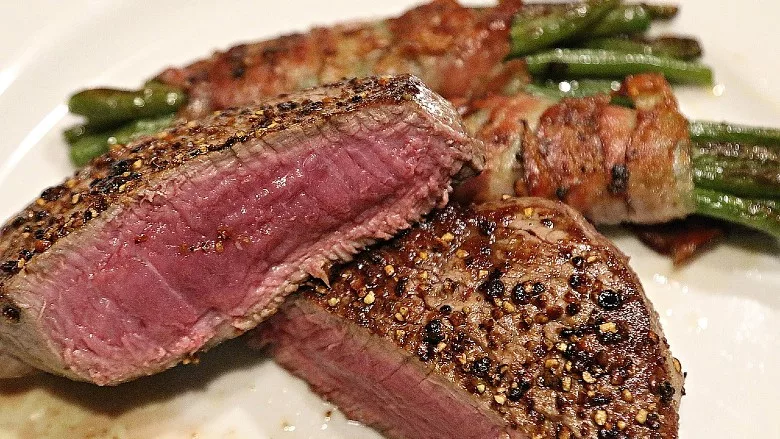
Steak beef fillet
Photo courtesy of Reinhard Thrainer/Pixabay
America’s protein obsession is real—and rising. Yet, according to new data from the International Food Information Council, most consumers still do not know how much protein they actually need.
The 2025 IFIC Food & Health Survey shows that 71% of Americans are trying to consume protein—a steady climb from 67% in 2023 and 59% in 2022. And a high-protein diet ranks as the most followed eating pattern for the third straight year.
“Protein is riding a wave of popularity, powered by trends in weight management, fitness and healthy aging,” said Wendy Reinhardt Kapsak, IFIC president and CEO. “Our data show it is the most sought-after nutrient, the most followed eating pattern, and the top characteristic consumers use to define a ‘healthy’ food. When one nutrient wears all three crowns, it is not only time to take notice, but time to ask better questions and dig deeper.”
All in on protein
According to the 2025 IFIC Spotlight Survey: Americans’ Perceptions of Protein, more than one-third of Americans (35%) said they have increased their protein intake in the last year. But when it comes to how much protein they should actually consume daily, 79% of Americans reported they are either unaware (53%) or unsure (26%).
Even among the 20% who believe they know their daily protein target, more than half think it should be 50 grams or less—an amount below what many adults actually need. The current Recommended Dietary Allowance is 0.8 grams per kilogram of body weight, which translates to 54-73 grams per day for adults weighing 150-200 pounds, and more for those who are active, managing health conditions and taking GLP-1 weight loss medications.
“While our research shows repeated enthusiasm for this important macronutrient, there is a gap between what people say they are doing and what they know when it comes to their protein goals,” said IFIC Senior Director, Food & Nutrition, Monica Amburn.
“While many prioritize protein, we found that some people may be inaccurately estimating their protein needs. If someone is turning to protein to support energy, satiety, or strength—and many are—they need accurate, personalized information to make those choices work for them,” Amburn said.
Preferred protein
The survey found that 56% of Americans prioritize protein at dinner, while 44% do so at breakfast and 42% at lunch. While protein-packed snacking has seen growth in popularity, only 17% prioritize protein when it comes to their snacks. In general, 8 in 10 Americans prioritize protein during at least one eating occasion every day.
When asked which factors they consider when choosing protein sources, taste (66%), price (59%), and healthfulness (49%) ranked highest, followed by convenience (38%), animal-based (23%), plant-based (18%) and environmental sustainability (18%). Their preferred sources? All animal-based: meat and poultry (65%), eggs (62%) and fish/seafood (48%).
Consumers also lean on package information to make protein choices. Four in 10 (39%) said they use the grams of protein per serving as their top reference point. Still, only 27% of those who report using protein information on food packaging said they have a target number of grams in mind.
“Protein may be one of the most visible and celebrated nutrients today,” Amburn said. “Still, as our data show, visibility does not always translate to clarity. We see that as a missed opportunity in helping Americans achieve their health and wellness goals.”
Who do Americans trust for protein advice?
One of the most striking findings from the survey was, when asked where they get their information about protein, the top source was not a credentialed health professional, such as a registered dietitian—it was a friend or family member (29%), followed by conversations with personal healthcare professionals (25%).
“Protein is personal,” said Amburn. “We need to move beyond the buzzwords. Many Americans would benefit greatly from tools to understand how much they need and why they need it, as well as what foods and beverages contain protein and how to optimize their intake.”
From trend to trusted guidance
As protein communications become increasingly prominent, consumers will likely benefit from additional guidance from nutrition professionals, such as registered dietitians. Food and nutrition stakeholders, communicators and regulatory agencies also have an opportunity to provide evidence-based messaging that educates consumers to better understand general protein needs.
“Protein is powerful, yet it is not magical on its own. IFIC research underscores a clear need for stronger, science-based guidance around protein intake,” Reinhardt Kapsak said. “As consumer interest intersects with cultural conversations on GLP-1 medications, muscle preservation, healthy aging, and fitness, the need for trusted, practical and actionable information is more important than ever.”
IFIC will be sharing more about how consumers perceive and understand protein needs during the IFIC Expert Webinar: Protein Mania: Evaluating Emerging Science and Consumer Perspectives on July 24, 2025, at 2 p.m. Eastern, featuring insights from IFIC's Monica Amburn and David Church, physiologist, muscle biologist, University of Arkansas for Medical Sciences, College of Medicine. Each IFIC Expert Webinar is free and provides opportunities for audience questions.
Looking for a reprint of this article?
From high-res PDFs to custom plaques, order your copy today!