3 ways to drive better environmental monitoring and food safety
Focus on sanitary design, employee training, and digital monitoring and analysis to improve your plant's food safety culture.
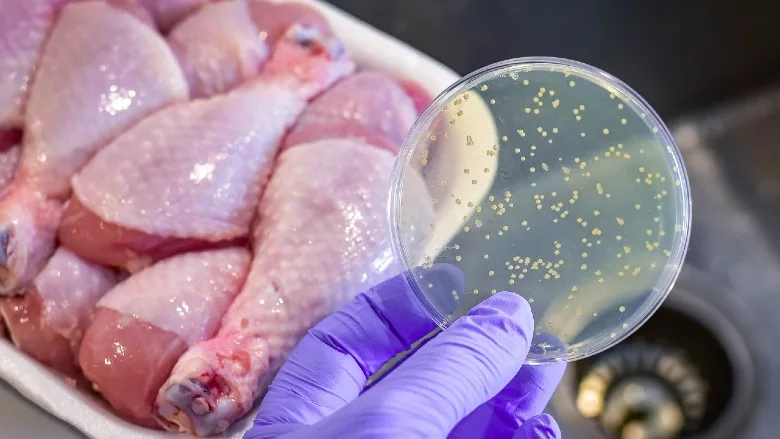
Editor's note — This article was submitted by Craig Ledbetter, area technical support coordinator for Ecolab and Rich Walsh, senior staff scientist at Ecolab.
Every good leader in meat and poultry plant operations understands that food safety and profitability are not competing priorities. Ask anyone who has experienced a recall or market withdrawal, and they’ll tell you just how unprofitable lapses in food safety and quality control can be.
A firm grasp of the basics goes a long way toward ensuring better food safety and better long-term performance on efficiency, cost effectiveness and other core business metrics. Clear protocols for cleaning and sanitation, environmental monitoring, hand hygiene and traffic flow — and digital tools to ensure those standards are met – are essential for maintaining safe production environments.
Meat and poultry leaders have the power to significantly improve their food safety culture by making simple changes in three key areas: sanitary design, employee training and digital monitoring and analysis.
Here’s how:
Better sanitary design
Improving your facility’s approach to sanitary design clears the path for downstream improvements in cleaning and sanitation (C&S) and environmental monitoring.
Let’s start with C&S. When equipment is easy to disassemble, it’s easier to thoroughly clean and sanitize. This ease translates into more thorough, food-safe cleans and boosts production efficiency by streamlining core C&S processes. Instead of wasting hours struggling with cumbersome, inaccessibly designed equipment, teams can operate with speed and minimize the risk of inadequate or ineffective cleaning processes, assuring that the crucial first step in the sanitary reset is accomplished.
The same can be said for environmental monitoring. When disassembly and reassembly are easy and efficient, it becomes infinitely easier to implement thorough testing throughout potential problem areas. Further sanitary design improvements like hygienic drain design, proper separation of zones and the strict enforcement of linear production workflows strengthen your ability to effectively identify the source of contamination in the event of a nonconformance result.
Employee training and process refinement
The meat and poultry industry is no stranger to persistent, painful labor issues. When the effort of finding, training new employees and retraining when compliance is lacking places consistent strain on leadership, it becomes easier for other priorities to slip through the cracks.
Moreover, when the staff for essential functions like C&S and environmental monitoring is constantly turning over, it becomes difficult (if not impossible) to maintain a high level of confidence that a plant is meeting core food safety standards. Legacy approaches to tracking these programs contribute to the problem. When C&S and environmental monitoring data is relegated to spreadsheets, the result is often a lack of clarity around whether essential duties have been performed and whether potentially troubling nonconformance trends are going unnoticed.
Meat and poultry leaders need to mitigate the potential food safety risks that high employee turnover can create. In most cases, the best way to achieve that is through a centralizing information. Modern tools can dispense simple, real-time instructions and verify completion of SSOPs and environmental testing – and escalate procedures in the event of nonconformance.
Modern digital platforms vastly simplify this task of process refinement and help even the greenest teams carry out consistent and thorough food safety protocols.
Advanced digital tools
Modern digital monitoring platforms are perhaps the most powerful tool at processors’ disposal when it comes to developing and implementing process improvements in C&S and environmental monitoring – end to end.
Legacy methods of data collection tend to burden teams with loads of information and very little clarity. The result is a lack of visibility into a facility’s problem areas. Without a long view of environmental monitoring data over time and an advanced analytical approach, teams are left in the dark, allowing potential problems to go unnoticed.
In contrast, digital monitoring tools equip food safety teams with features that move the needle on performance. Dynamic floorplans deliver a real-time understanding of sample points across the facility, allowing staff to spot emerging problem areas and trends over time. Centralized data tracking makes it easy for team members new and old to carry out advanced root cause analysis in the event of nonconformance results. And interactive dashboards give leadership a 360-degree view of environmental data over time, enabling a more proactive and sophisticated approach to remedying food safety issues before they drive operations to a screeching halt.
In essence, these digital tools make environmental data actionable – they turn the mountain of data generated by routine testing into real insights that meat and poultry processors can use to drive meaningful improvements in both food safety and productivity.
Looking for a reprint of this article?
From high-res PDFs to custom plaques, order your copy today!