Meat Institute and Meat Foundation guide defines processed meats
Guide explains that all meat is processed and falls into two categories: minimally processed meats and further processed meats.
As policymakers seek to define ultra-processed foods, review ingredients used in food processing and determine a strategy to improve the health of children, the Meat Institute and the Meat Foundation are releasing an updated Guide to Meat Processing to increase understanding of meat production and the unique nature of the ingredients and processes used to make nutrient-dense meat and poultry.
“Robust scientific evidence demonstrates that meat is a rich source of high-quality protein, essential vitamins, and highly bioavailable minerals that support human health throughout the lifespan,” said Julie Anna Potts, president and CEO of the Meat Institute. “Most important, parents know that meat, minimally processed or further processed, provides accessible, affordable nutrients for their children that are not easily replaced by other foods and are essential for growth, brain development and well-being.
“Public discourse around meat consumption is often clouded by confusion over nutrition, processing definitions, labeling practices, and ingredient functions. This guide defines processed meats and provides more transparency on meat and poultry’s nutritional importance and safety to better inform key stakeholders and the public.”
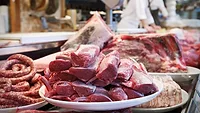
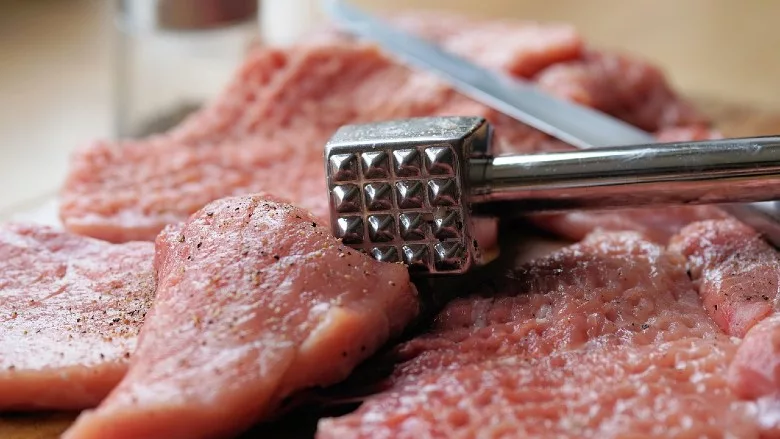
The guide explains that all meat is processed and falls into two categories: minimally processed meats and further processed meats. Minimally processed meats are raw, uncooked meat products that have not been significantly transformed compositionally and contain no added ingredients. Products may be reduced in size by fabrication, mincing, grinding, and/or a meat recovery system. Products include steaks, chops, roasts, grinds and more.
Further processed meats are products that undergo an alteration, beyond minimal processing. Products may contain approved ingredients and/or be subjected to preservation through salting, curing, drying or fermentation; thermal processing; batter/breading; or other processes to enhance sensory, quality and safety attributes. Products may include ready-to-cook or not ready-to-eat and ready-to-eat products. Examples include deli meats, hot dogs, sausages, hams, bacon, jerky and more.
The guide also contains tables explaining ingredients uses and processing methods, including a table on Processes Applied to Meat to Create Minimally or Further Processed Meat Items, a table on Common Further Processed Meat Products and a table on Ingredients Commonly Used in Further Processing.
Meat and poultry products are regulated by the US Department of Agriculture’s Food Safety and Inspection Service. Any meat product with two or more ingredients must comply with strict FSIS ingredient labeling regulations. All ingredients must be included on the product label in descending order of predominance.
The guide references nutritional science to underscore the importance of nutrient-dense processed meats to the healthy dietary patterns of children and vulnerable populations like adolescent girls and the elderly.
Finally, the guide addresses public health concerns regarding cancer, heart health and obesity.
The guide was written by KatieRose McCullough, MPH chief scientist of the Meat Foundation and senior director of science and public health at the Meat Institute. An earlier version of this paper was provided to the dietitian and nutritionist community during the 2020-2025 Dietary Guidelines for Americans process.
Sources: Meat Institute; Meat Foundation
Looking for a reprint of this article?
From high-res PDFs to custom plaques, order your copy today!