USDA plan aims to lower domestic beef prices while supporting the cattle sector
USDA plan encourages procurement of domestic beef for USDA Child Nutrition Programs and expanding opportunities for smaller beef packers.
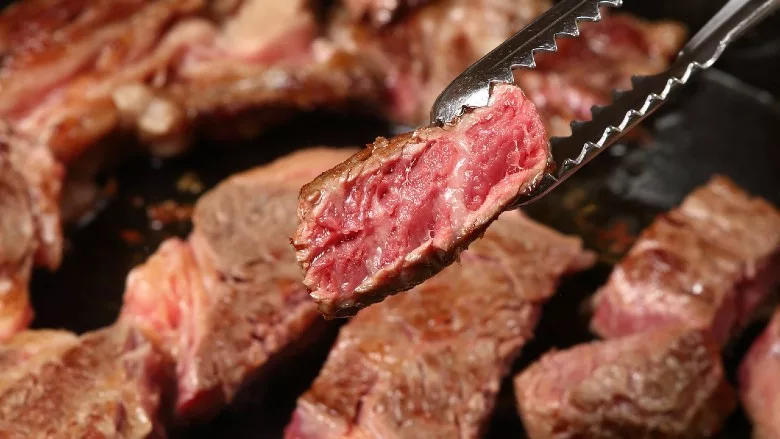
The US Department of Agriculture officially announced a plan intended to lower beef prices and strengthen the cattle sector. The proposed initiative focuses on strengthening US cattle production through endangered-species reforms, enhanced disaster relief, expanded grazing access and improved access to capital and risk-management tools. Through its plan, the USDA also aims to lower long-term costs, increase marketing options and ensure consumers have clear, factual information about American beef
The USDA plan also includes ending the current practice by global beef packers of labeling foreign beef with a “Product of USA” label, encouraging procurement of domestic beef for USDA Child Nutrition Programs, expanding opportunities for smaller beef packers and growing the domestic herd while boosting domestic and international demand.
US Secretary of Agriculture Brooke Rollins said, "USDA will immediately expedite deregulatory reforms, boost processing capacity, including getting more locally raised beef into schools, and working across the government to fix longstanding common-sense barriers for ranchers like outdated grazing restrictions."
According to the USDA, the domestic cattle herd is at a 75-year low, while consumer demand for beef has grown 9% over the past decade. The agency said its beef industry initiative is intended to strengthen the American beef industry and reinforce the rancher’s role in national food security.
The full proposed plan is available here.
R-CALF USA voices support for USDA plan
Cattle association R-CALF USA expressed strong support for the USDA plan. Bill Bullard, CEO of R-CALF USA issued the following statement:
"We greatly appreciate Secretary Rollins’ proposed reforms for the US cattle industry. It’s the first comprehensive government plan issued in decades for the express purpose of revitalizing the domestic cattle industry, which has been shrinking at an alarming rate since the 80s.
"Increasing grazing access on federally managed lands will increase our industry’s capacity to grow, and her plan to enforce the voluntary ‘Product of USA’ rule that goes into effect on Jan. 1 is an acknowledgement that differentiating USA beef from foreign beef is beneficial to US ranchers and consumers.
"The secretary’s reference to conducting regulatory compliance to ensure cattle markets remain open, transparent and fair, and her plan to work with the Department of Justice to achieve this compliance, suggests to us that the USDA understands the serious concerns we’ve been expressing for years regarding the lack of antitrust and fair competition law enforcement.
"While more reforms are needed to sustain a viable domestic cattle industry that can meet America’s food security needs for generations to come, we recognize the secretary has presented a meaningful plan within the scope of her authorities that will help reverse our industry’s ongoing contraction.
"We look forward to working with the secretary to implement this plan. While doing so, we will continue to encourage Congress to enact mandatory country-of-origin labeling, reform the beef checkoff program, and end the unfunded mandate requiring cattle producers to purchase and affix electronic identification ear tags on their cattle.
"We will also continue working with agencies with trade jurisdiction to address our concerns that excessive imports of beef, cattle, and lamb from around the world have decimated our US sheep industry and severely weakened our US cattle industry."
R-CALF, NCBA and USCA warn against beef imports
Industry has been concerned about comments from President Donald Trump, suggesting increasing beef imports from Argentina as a solution to lower US beef prices. While the USDA's proposed plan features no mention of imports or Argentina, the president's suggestion has sparked concern and backlash among cattle associations. These include R-CALF, the National Cattlemen's Beef Association and the US Cattlemen's Association.
USCA finds that beef prices are where they should be. Justin Tupper, president of the USCA, said, "America’s ranchers have weathered years of rising input costs, drought, and market shifts with unwavering resilience. Today’s beef prices are a direct reflection of these challenges.
“The cost of producing beef today is accurately represented in the consumer markets where it is sold. Ranchers are facing historic highs for feed, fuel, labor, and land—and those costs have risen far faster than beef prices on grocery shelves.”
R-CALF acknowledges that beef prices are at a record high, contrary to prices that the market might predict. Still, R-CALF strongly advises against any plan to utilize imports to combat high US beef prices. Bullard said, "Attempting to lower domestic beef prices simply by inviting even more imports will both exacerbate and accelerate the ongoing dismantling of the domestic beef supply chain."
Imports do not seem to be part of the administration's strategy to lower US beef prices and strengthen the cattle industry, but the president's comments have sparked industrywide concern.
Sources: USDA; R-CALF USA; USCA
Looking for a reprint of this article?
From high-res PDFs to custom plaques, order your copy today!