Innovations in recyclable plastic packaging for protein products
Mechanical recycling still dominates the market, but it has limitations, particularly when dealing with contaminated food packaging.
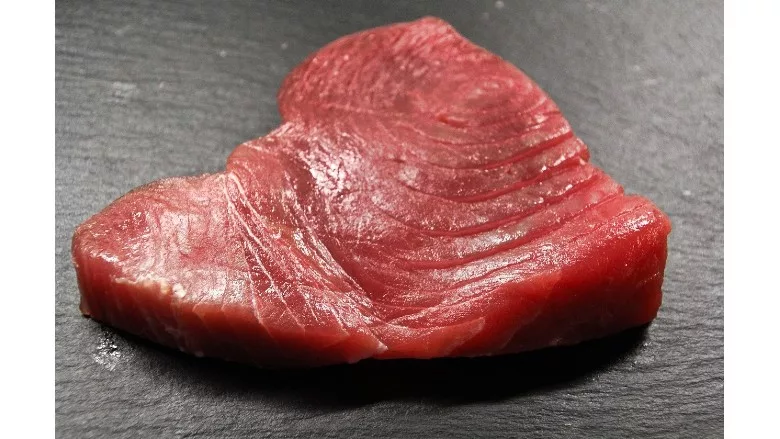
The packaging industry is constantly under scrutiny, both from consumer groups and from within. This serves to drive innovation in positive ways, as corporations strive to please consumers and environmental advocates, as well as to innovate packaging in ways that meet the needs of all the key players.
This concern spawned sustainable packaging research and implementation (both the term and the products). Today, sustainable packaging isn’t only a hashtag; it’s actually a requirement for businesses that operate within certain sectors — in particular, the perishable food sectors of meat, seafood and poultry — in short, protein products.
The challenge is finding recyclable materials that not only meet food safety standards, but which will work within existing production environments. Thankfully, there have been innovations that give food processors more of these kinds of options.
Mono-material plastics
Multilayer films, which are combinations of various plastics bonded together for barrier protection and durability, have traditionally been used. They’re not exactly easily recycled, however, since the individual materials must be extracted and recycled or disposed of separately.
More and more manufacturers are replacing those with mono-material plastics, like certain polyethylenes or polypropylene structures. And, due in no small part to better extrusion and coating technologies, they also offer better gas and moisture barriers, making them a suitable option for protein products.
In short, mono-material plastics perform as good or better than multilayer films, but they can be readily recycled through existing streams when packaging is clearly labeled for public edification.
Corrugated plastic packaging for ice-dependent applications
For products that rely on ice during transport (such fresh seafood), traditional cardboard quickly falls short of needs and expectations. That’s where corrugated plastic packaging offers impressive industry benefits. Made from rugged, water-resistant polypropylene, these cartons offer the structure and insulation needed for protein shipping, without the soggy mess. Corrugated plastic packaging is 100% recyclable and designed to hold up under temperature fluctuations and exposure to moisture. It’s especially useful in cold-chain logistics, where durability and hygiene are not only preferable but essential.
Factoring in chemical recycling
Mechanical recycling still dominates the market, but it has limitations, particularly when dealing with contaminated food packaging. Chemical recycling offers a promising alternative. Instead of grinding plastics down, it breaks them into base monomers that can be re-polymerized into food-grade materials.
It’s still emerging, and thus not fully vetted in all applications, but chemical recycling could end up being a game-changer for meat and poultry applications. Packaging exposed to oils, blood, or organic residue has historically been destined for landfills. But chemical recycling opens the door to true circular use of those materials, turning once-problematic waste into new packaging stock.
As materials and recycling infrastructure continue to evolve, recyclable plastic packaging for protein products will become more accessible and more effective. By staying informed and open to innovation, meat and poultry processors can position themselves as leaders in both quality and sustainability.
One thing is certain: the companies that move first — choosing durable, recyclable materials like polypropylene corrugated packaging where it makes sense — will be best prepared to meet future regulatory demands, cut waste, and build trust with eco-conscious partners and consumers alike.
Looking for a reprint of this article?
From high-res PDFs to custom plaques, order your copy today!