Integrated, automated and exposed: Why cyber hygiene is equal to food hygiene
Safe plants now require both sanitary equipment and impeccable cyber hygiene.
Arista Cyber meat processing
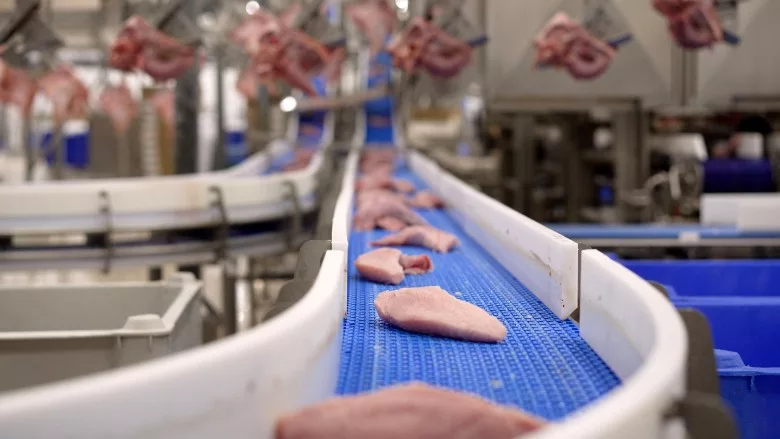
The meat and poultry processing industry well understands the need for scrupulous hygiene and tight food safety controls. Today’s plants rely on a dense ecosystem of connected operational technology (OT) supported by crucial digital components. Robotic butchering and deboning systems are operated by central servers. Vision-based graders now rely on AI analytics to determine produce quality. Chillers use remote terminals and connected sensors.
As plants now lean more deeply into automations, smart sensors and cloud-connected Manufacturing Execution Systems (MESs), the industry faces a new surface to sanitize. Every IT component which supports an OT device is a potential entry point for an attacker, and with the lines so blurred between digital and physical, an attack on one can easily flow into an attack on the other. Safe plants now require both sanitary equipment and impeccable cyber hygiene.
Automation as an entry point
With everything so tightly woven together, even the smallest disruption could result in a major disaster. A small, unnoticed change to the temperature or airflow of a chiller or the sensitivity of an X-ray bone detection system could make the difference between a safe or unsafe product reaching the shelves.
An attack that compromises or encrypts traceability systems might corrupt lot codes or supplier data, hindering recall accuracy. Network disruptions could halt production line monitoring, leaving operators blind to deviations that would normally trigger corrective action. Together, IT and OT have created massive efficiencies, and a new fragility.
Breaching the cyber frontier
Cyberattacks now threaten to directly impact production safety and business continuity. A recent cybersecurity assessment of a major food facility uncovered multiple critical vulnerabilities in the plant’s OT environment, including outdated firmware on industrial controllers, unsecured remote access systems, and poor segmentation between corporate and production networks.
In practical terms, these weaknesses mean that an attacker could turn a cyber intrusion into direct interference with OT controls. They could pivot to MES servers, take control of IoT sensors or environmental monitoring nodes. While the facility followed professional advice and quickly moved to remediate these issues, its case is far from unique.
When ransomware meets food safety
The food sector is now fully part of the critical infrastructure landscape, and a prime target for attack. Cyber criminals understand the leverage they gain by disrupting supply chains, and downtime is particularly critical in the food industry. It immediately affects animal welfare, product safety, and inventory integrity.
The 2022 JBS ransomware attack highlighted this. It locked critical systems, and in turn plants across the world stopped processing. Livestock backed up. Global supply lines stumbled. Any cyberattack is an operational crisis; an attack which stops the flow of business doubly so. And an attack on the sensitive systems of meat and poultry processing, where cold-chain integrity and CCP monitoring are time-critical, is uniquely dangerous.
Attacks are not always loud, either. Indeed, many go entirely unnoticed, but the data gaps they create can be more dangerous than an obvious outage. A system that silently stops recording, or logs that appear intact but are untrustworthy result in a growing blind spot for producers and processors. Quiet failures undermine the verification steps that inspectors, auditors, and regulators depend on, and the results of tampering may not be discovered until it is far too late.
The danger of quiet infiltration
The bar has been lowered, because cyberattacks no longer require technical knowledge. Intent can be enough: ransomware-as-a-service groups essentially offer their expertise up to the highest bidder.
Managing these new risks requires treating cybersecurity as a shared operational duty rather than an IT add-on. QA, engineering, production, and IT must all contribute, with routine cyber checks built into everyday verification. As hygiene audits protect physical safety, cybersecurity assessments must test segmentation, access controls, and the reliability of connected equipment.
Because many preventive controls rely on digital infrastructure, cyber risks must be built directly into food safety plans. Manipulated data or compromised sensors can undermine decisions as quickly as physical contamination. Protecting the digital backbone of meat and poultry processing is therefore essential to protecting the product. Cyber safety must be proactive and continuous, because the food chain is only as strong as its most vulnerable system.
To learn more about Arista Cyber solutions for manufacturing: https://aristacyber.io/industries
Looking for a reprint of this article?
From high-res PDFs to custom plaques, order your copy today!