Provisioner logo
Provisioner logo
search
cart
facebook twitter linkedin youtube
  • Sign In
  • Create Account
  • Sign Out
  • My Account
Provisioner logo
Provisioner logo
  • NEWS
    • Industry News
    • Supplier News
    • Case Studies
    • Recalls
    • Regulations
    • New Consumer Products
  • EXCLUSIVES
    • Newsletters
    • Source Book
    • Sponsored Insights
    • Events
    • Webinars
    • Classifieds
    • White Papers
    • Provisioner Store
    • Market Research
  • MEAT PROCESSING
    • SUSTAINABILITY
    • Processing
    • Packaging
    • Ingredients
    • Formulation
    • Food Safety
    • Special Reports
    • Commentary
  • PROFILES
    • Processor Profiles
    • Processor of the Year
    • Top 100 Processors
  • MEDIA
    • Videos
    • Podcasts
  • DIRECTORY
  • MIHOF
  • INDEPENDENT PROCESSOR
  • EMAG
    • eMagazine
    • ARCHIVE ISSUES
    • Contact
    • Advertise
  • JOIN!
Meat and Poultry Industry NewsRegulations

USDA completes sterile fly dispersal facility in Texas

Sterile insect technique, when paired with surveillance, animal movement restrictions, and education and outreach, is a proven and effective tool for controlling and eradicating New World screwworm.
By Industry News
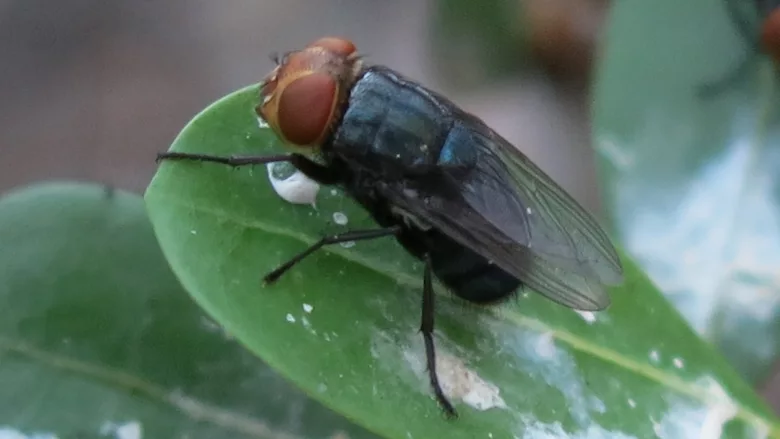
New World Screwworm fly
USDA APHIS
February 11, 2026

At Moore Air Base on Feb. 9, 2026, US Secretary of Agriculture Brooke Rollins and Texas Gov. Greg Abbott celebrated an achievement in the fight against New World screwworm with the completion of a US-based sterile fly dispersal facility in Edinburg, Texas. This facility expands USDA’s ability to disperse sterile flies along the border and into the United States, if necessary.

"The Trump Administration continues to bring the full force of the federal government to fight New World Screwworm,” said Rollins. “This sterile fly dispersal facility was a high priority project, and our team delivered it in record time.

"This new facility is a monumental achievement for our domestic preparedness efforts, but we are also diligently working to stop the spread of screwworm in Mexico, conduct extensive trapping and surveillance along the border, increase US response capacity, and encourage innovative solutions. We will never stop fighting to protect American agriculture. USDA, through a whole-of-government approach, will continue to hold Mexico accountable to mitigating the spread of this dangerous pest."

“America is going to take care of ourselves, including dealing with the approach of screwworm as it gets closer to our border,” said Abbott. “We put together the resources necessary for Texas to provide a Texas-size response to this. We thank Secretary Rollins and President Trump for stepping forward to provide the stop gap effort essential to protecting our ranchers and our wildlife.”

Trump Administration NWS response

In June 2025, Rollins announced a sweeping five-pronged plan to enhance USDA’s already robust ability to detect, control and eliminate NWS. As part of that announcement, she also shared plans to build this sterile NWS fly dispersal facility in South Texas. The completion of the facility further expands the network of dispersal facilities through Central America and Mexico and solidifies the increased preparedness offered by having a US-based facility.

On Jan. 30, 2026, USDA announced a shift in its 100 million per week sterile fly dispersal efforts to reinforce coverage along the US-Mexico border. While the sterile flies for this effort will initially be dispersed from the Tampico, Mexico facility, USDA is prepared to quickly and strategically shift operations to the new Texas facility should there be a change in the location or new concentration of NWS cases in northern Mexico.

Sterile insect technique, when paired with surveillance, animal movement restrictions, and education and outreach, is a proven and effective tool for controlling and eradicating NWS. Female NWS flies only mate once in their lives, so if they mate with a sterile male, they lay unfertilized eggs that don’t hatch. Releasing sterile flies just outside of affected areas helps ensure flies traveling to new areas will only encounter sterile mates and will not be able to reproduce.

Sterile insects are dispersed through aerial dispersal or ground release. Aerial operations are preferred because they allow for dispersal at a steady rate through a large area and also because sterile insects may be dispersed in areas that are unreachable from the ground. Ground release is used when there is a need to quickly deploy sterile insects outside of the dispersal facility range. Mass production and targeted dispersal of sterile flies remain critical components of an effective response.

USDA currently produces sterile flies for dispersal at the COPEG facility in Panama. USDA is also investing $21 million to support Mexico’s renovation of an existing fruit fly facility in Metapa, which will double NWS production capacity once complete. With ongoing support from technical experts in USDA’s Animal and Plant Health Inspection Service, Mexico anticipates this sterile fly production to begin as soon as summer 2026.

With existing and planned production facilities fully operational, USDA will have up to 500 million sterile files per week in its arsenal to fight this pest all the way back to the Darién Gap. The international network of facilities will produce 100 million sterile flies per week at COPEG in Panama, 100 million at Metapa in Mexico and 300 million at Moore Air Base.

Even though there have been no detections of NWS inside the US and the northernmost active case of NWS is still about 200 miles away from the border, USDA is asking Americans to continue to remain vigilant by checking their livestock and pets for signs of NWS. Look for draining or enlarging wounds and signs of discomfort. Also look for NWS larvae (maggots) and eggs in or around body openings, such as the nose, ears, and genitalia or the navel of newborn animals. If you suspect your animal is infested with NWS, immediately report it to your state animal health official or USDA area veterinarian in charge.

NWS maggots can infest livestock and other warm-blooded animals, including people. They most often enter an animal through an open wound and feed on the animal’s living flesh. While not common in people, if you notice a suspicious lesion on your body or suspect you may have contracted NWS, seek immediate medical attention.

Source: USDA

KEYWORDS: animal disease animal health USDA

Share This Story

Looking for a reprint of this article?
From high-res PDFs to custom plaques, order your copy today!

Recommended Content

JOIN TODAY
to unlock your recommendations.

Already have an account? Sign In

  • Double Charburger

    Premiumization drives burger category

    Shoppers seek out premium meat offerings to fulfill...
    Burgers
    By: Sammy Bredar
  • JJS Adult Pekin duck

    Poultry Report 2025: Convenience propels poultry at retail

    Despite continued economic pressures, the poultry...
    Meat and Poultry Industry News
    By: Sammy Bredar
You must login or register in order to post a comment.

Report Abusive Comment

Manage My Account
  • eMagazine Subscriptions
  • Manage My Preferences
  • Newsletters
  • Online Registration
  • Subscription Customer Service
  • Connect with The National Provisioner

More Videos

Sponsored Content

Sponsored Content is a special paid section where industry companies provide high quality, objective, non-commercial content around topics of interest to the The National Provisioner audience. All Sponsored Content is supplied by the advertising company and any opinions expressed in this article are those of the author and not necessarily reflect the views of The National Provisioner or its parent company, BNP Media. Interested in participating in our Sponsored Content section? Contact your local rep!

close
  • A smiling man carrying a grocery basket is reaching down to pick up a package of meat in a grocery store.
    Sponsored byPIC

    The Green Light: New Data Shows 12-to-1 Support for Pork from PRRS-Resistant Pigs

  • Close up of a grocery cart full of groceries, a cropped image of a couple pushing the cart and a blurred background of the vegetable aisle.
    Sponsored byPIC

    New Market Research Finds Consumers in Eight Key Pork Markets Are Likely to Purchase Pork from Gene-Edited Pigs

  • Close up of a young pig with a blurred background.
    Sponsored byPIC

    New Research Forecasts Significant Economic and Market Impacts with PRRS-Resistant Pig Adoption

Popular Stories

Spam Dog

Hormel rolls out Spam hot dog for foodservice applications

Various new Primal snack sticks on a table amongst pencils, apples, a pair of glasses, lunch bags and a water bottle.

Protein demand drives snacking occasions

Several cuts of beef, pork and chicken on a wooden board, cast iron pan and salt.

Validated thermal lethality data and a new tool for ensuring safety of RTE meats

2026 Top 100 Meat & Poultry Processors Report

Events

June 11, 2026

From Fresh to Frozen in 3 Minutes Flat: Unlocking the Secrets to Temperature Control

Join Tony Vacaro, Foods Industry Manager, and Emile Klein, Foods Market Strategy Manager at Air Products and Chemicals, Inc. , as they tackle key questions surrounding heat removal in food processing. 

January 1, 2030

Webinar Sponsorship Information

For webinar sponsorship information, visit www.bnpevents.com/webinars or email webinars@bnpmedia.com.

View All Submit An Event

Products

Food Crime: An Introduction to Deviance in the Food Industry

Food Crime: An Introduction to Deviance in the Food Industry

See More Products
From Fresh to Frozen in 3 Minutes Flat: Unlocking the Secrets to Temperature Control Webinar Sponsored by Air Products

Related Articles

  • New World Screwworm fly

    USDA opens sterile fly facility in Mexico for aerial dispersal

    See More
  • Labatt Food Service opens new cooking facility in Texas

    See More
  • Tyson facility in Texas fined $263K by OSHA

    See More

Related Products

See More Products
  • meat inspection.jpg

    Meat Inspection and Control in the Slaughterhouse

  • salmonela.jpg

    Controlling Salmonella in Poultry Production and Processing

See More Products

Events

View AllSubmit An Event
  • January 25, 2023

    Facility Inspection Package Training by USDA-APHIS

    Are you engaged in your company's export activities? Specifically, preparing inspections packages for rendered products, animal-based feed or pet food? Then join us for an interactive training and Q&A with USDA-APHIS. Learn directly from APHIS how to better prepare packets and for facility inspections. This program is ideal for those actively preparing packets and facility inspections and those working directly with APHIS field staff (not a policy meeting).This agenda has been approved for 4 ARPAS CEU's.
View AllSubmit An Event
×

Stay ahead of the curve. Unlock a dose of cutting-edge insights.

Receive our premium content directly to your inbox.

SIGN-UP TODAY
  • RESOURCES
    • Advertise
    • Contact Us
    • Directories
    • Store
    • Want More
  • SIGN UP TODAY
    • Create Account
    • eMagazine
    • Newsletter
    • Customer Service
    • Manage Preferences
  • SERVICES
    • Marketing Services
    • Reprints
    • Market Research
    • List Rental
    • Survey/Respondent Access
  • STAY CONNECTED
    • LinkedIn
    • Facebook
    • YouTube
    • X (Twitter)
  • PRIVACY
    • PRIVACY POLICY
    • TERMS & CONDITIONS
    • DO NOT SELL MY PERSONAL INFORMATION
    • PRIVACY REQUEST
    • ACCESSIBILITY

Copyright ©2026. All Rights Reserved BNP Media, Inc. and BNP Media II, LLC.

Design, CMS, Hosting & Web Development :: ePublishing