Membrane filtration gains traction in protein processing as facilities target water reuse and operational efficiency
As meat and poultry processors face rising water, energy and production costs, efficient wastewater management is becoming more vital to overall plant efficiency.

As meat and poultry processors face rising water, energy and production costs, efficient wastewater management is becoming more vital to overall plant efficiency. Even without finalized federal effluent limitation guidelines (ELGs), these pressures continue to shape treatment strategies. Membrane technology may not be top of mind for these operations, but it is becoming increasingly relevant as facilities look for innovative ways to improve water management, optimize byproduct valorization and streamline overall process efficiency.
Traditionally associated with dairy and broader food and beverage processing applications, membrane filtration is gaining traction in protein processing as rising production volumes and resource demands push processors to explore more advanced filtration and separation solutions.
According to OECD, global meat consumption and production are both projected to rise over the next decade; higher production output means processors are using more water and energy. Rising water and energy costs are leading producers to explore more innovative approaches to reusing process water and reducing overall resource consumption. Membrane systems enable meat and poultry processors to recover treated water for reuse in upstream applications, helping facilities reduce cost and environmental impact.
Membrane technologies such as microfiltration, ultrafiltration, nanofiltration and reverse osmosis are being applied in wastewater and process streams to remove suspended solids, separate fats and proteins and enable water recovery for reuse. A study published in MDPI titled "Treatment of Poultry Slaughterhouse Wastewater with Membrane Technologies: A Review" found that most valuable nutrients can be recovered by ultrafiltration, and water for reuse in poultry processing can be produced by reverse osmosis from poultry slaughterhouse wastewater. Technology selection typically depends on the composition of the processing stream and the needed level of separation.
In addition to water recovery and reuse, membranes are helping meat and poultry processors recover proteins and fats from processing streams, supporting improved yield and byproduct utilization. As processors look to maximize efficiency across all areas of production, these capabilities are becoming increasingly important.
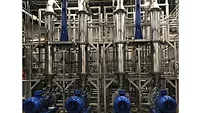
Current innovations in membrane technology are largely focused on improving process efficiencies and resource management, exemplified by Pall Corp.’s latest launch: Membralox GP-IC ceramic membrane systems. According to the company, the system can deliver up to 30% higher protein transmission than traditional ceramic filtration and add up to 45% more filtration surface area per membrane compared to traditional ceramics.
Looking for a reprint of this article?
From high-res PDFs to custom plaques, order your copy today!