Membrane filtration: Driving yield and efficiency in protein processing
GEA Group's Shanti Bhushan says processors utilizing membrane filtration typically see benefits across three key areas: yield improvement, waste reduction and resource efficiency.

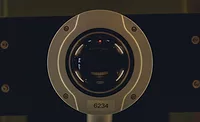
Ceramic Microfiltration System Developed by GEA. This system is used for clarification of feed streams to improve product clarity.
Membrane filtration is moving beyond its traditional role as a wastewater treatment tool across the meat, poultry and seafood industries, as processors look to recover value from underutilized streams while reducing water, energy and raw material consumption. These systems are enabling processors to convert byproducts into value-added ingredient streams while reducing wastewater load.
GEA Group is among the companies advancing membrane-based technologies in protein processing. According to Shanti Bhushan, principal process development engineer for GEA Group, the company's system design innovations, including optimized flushing approaches and automated process control, are helping reduce water use, improve cleaning efficiency and maintain optimal operating conditions across filtration stages.
To further explore how membrane filtration is driving yield and efficiency gains for protein processors, The National Provisioner sat down with Bhushan, discussing applications across protein processing and where processors may see the greatest opportunities for membrane filtration.
How is membrane filtration currently being applied in protein processing?
Bhushan said membrane filtration technologies, ranging from microfiltration (MF) to reverse osmosis (RO), are being used to recover value from byproducts and side streams that were previously treated as waste.
In collagen and gelatin production, processors are combining centrifugation and MF to improve clarity and reduce reliance on traditional filtration methods that create disposal challenges. UF is then used to concentrate proteins and separate collagen peptides into targeted molecular weight ranges, enabling processors to tailor ingredients for specific applications such as nutraceuticals, joint health and cosmetics.
Bhushan said that similar approaches are being applied to seafood stickwater and animal blood plasma, where nanofiltration (NF) and reverse osmosis (RO) can capture dissolved proteins and bioactive compounds. These recovered materials can be repurposed into higher-value ingredients while reducing organic load in wastewater streams.
Membrane systems are also being used in egg processing and curing operations. Bhushan explained that RO can concentrate liquid eggs at low temperatures, helping preserve functional properties while reducing energy demand; UF can remove glucose to prevent browning during drying. He added that MF can also be used to recover usable protein from cracked or undersized eggs by removing shell fragments and bacteria, creating a clean stream for pet food or technical applications.
In meat processing, membrane filtration can also be used to remove fats, residual proteins and microbes from curing brines while allowing salts and curing agents to be retained for reuse.
Which process streams offer the strongest opportunity?
According to Bhushan, the strongest opportunities lie in high-protein liquid streams that are often discarded despite their recoverable value. These include press juices, blood plasma, poultry chiller and scalding water, stickwater, surimi wash water and curing brines.
He said these streams are particularly well-suited for membrane filtration because they offer the potential for both protein recovery and wastewater reduction.
He added that utility streams such as brines, marinades and condensates are also emerging as strong candidates for membrane filtration, particularly as processors look to enable reuse and reduce waste.
What operational benefits can processors expect?
Bhushan said processors utilizing membrane filtration typically see benefits across three key areas: yield improvement, waste reduction and resource efficiency.
Regarding yield, filtration allows processors to recover proteins, fats and minerals that would otherwise be lost to wastewater, converting them into higher-value ingredients. Discussing waste reduction, Bhushan added that membrane systems can significantly lower chemical oxygen demand (COD) and biological oxygen demand (BOD) in wastewater streams, helping facilities reduce treatment costs and meet regulatory requirements. In some applications, membrane systems can reduce COD and BOD loads by as much as 50-80% prior to discharge or reuse.
Resource efficiency gains can also be significant for processors. Bhushan explained that technologies such as RO can remove water at lower temperatures than traditional thermal processes, reducing energy use, while treated water can often be reused for cleaning or utility applications, lowering overall freshwater demand.
What technical challenges should processors consider?
Bhushan said one of the primary challenges in meat and poultry applications is membrane fouling, caused by fats, oils and proteins that accumulate on membrane surfaces and reduce performance. To address this, he emphasized the importance of pretreatment steps such as screening, dissolved air flotation or centrifugation to remove solids and emulsified fats before filtration.
Feed variability is another challenge for processors, as protein and fat levels can fluctuate depending on processing conditions. Bhushan noted that systems must be designed with controls that can adjust operating parameters in real time to maintain performance.
He also pointed to the need for carefully designed CIP protocols that balance sanitation requirements with membrane durability, as well as considerations around corrosion and scaling in certain applications.
Bhushan also noted that shear sensitivity must be managed in applications such as egg proteins and blood plasma, where excessive pump speeds can damage functional properties, while NF and RO systems require careful control of pressure and scaling as concentrations increase.
Where is the greatest opportunity for expanded use?
Looking ahead, Bhushan said the greatest opportunity lies in recovering and upgrading liquid side streams that are still widely treated as waste across protein operations.
He noted that increasing regulatory pressure and sustainability goals are driving interest in technologies that can convert wastewater streams into value-added ingredients while reducing environmental impact.
Membrane filtration is becoming a core processing technology across emerging processing models, including precision fermentation and other advanced protein production systems, where it is used for separation, concentration and water reuse.
Looking for a reprint of this article?
From high-res PDFs to custom plaques, order your copy today!